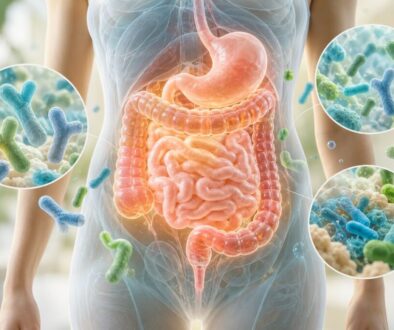
Best Probiotic Fruits for Better Gut Health

Published July 6, 2026
Your gut does more than digest food. It helps regulate your immune system, supports nutrient absorption, and influences your mood through the gut-brain connection. Yogurt, kefir, and probiotic supplements often get the spotlight for digestive health. But fruit also plays an important role. It supports the beneficial bacteria that keep your digestive system functioning at its best.
Have you heard the term “probiotic fruits”? You might wonder if some fruits naturally contain probiotics. In most cases, they don’t. Instead, many fruits provide prebiotic fiber, polyphenols, antioxidants, and digestive enzymes. These nutrients nourish beneficial bacteria in your gut. They also create an environment where good bacteria can thrive. As a result, fruit is an important part of a balanced, gut-friendly diet.
In this article, we’ll explain what people mean by “probiotic fruits.” We’ll also clarify the difference between probiotics and prebiotics. Finally, we’ll share the best fruits to support your digestion, gut diversity, and overall wellness.
What Are Probiotic Fruits?
The phrase “probiotic fruits” is widely used, but it isn’t technically accurate. Knowing the difference between probiotics and prebiotics is key. It makes choosing foods that truly support your digestion much easier.
Are Probiotic Fruits Actually Probiotics?
Not usually.
Probiotics are live microorganisms. They’re often called beneficial or “good” bacteria. These microbes aid in maintaining a healthy balance in your gut microbiome. They’re typically present in fermented foods like yogurt, kefir, kimchi, and sauerkraut. You can also find them in dietary supplements.
Fresh fruits generally don’t contain these live cultures. Instead, they provide prebiotics. These are special fibers and plant compounds. They nourish the good bacteria already in your digestive system. Fruits don’t add new bacteria to your gut. However, they help your existing microbes grow and work better.
Why the Term “Probiotic Fruits” Can Be Misleading
The name suggests that fresh fruit delivers live probiotic bacteria, but that’s rarely the case. Most fruits don’t directly add bacteria to your gut. Instead, they support gut health indirectly. They form an environment where beneficial microbes can flourish.
Think of probiotics as the helpful bacteria and prebiotic fruits as the fuel that keeps them healthy. Both are important, but they serve different functions in maintaining a balanced gut microbiome.
The Difference Between Probiotics, Prebiotics, and Postbiotics
These three terms are closely connected but often confused.
- Probiotics are live beneficial microorganisms found in fermented foods and supplements.
- Prebiotics are fibers and plant compounds that feed those beneficial bacteria.
- Postbiotics are beneficial substances, like short-chain fatty acids. They’re produced when gut bacteria digest prebiotic foods.
Together, they form a cycle that supports digestive health, immune function, and the integrity of the gut lining.
How Fruits Support Digestive Health and the Gut Microbiome
Fresh fruits don’t naturally contain probiotics. However, they’re packed with fiber, polyphenols, antioxidants, and digestive enzymes. These nutrients support your digestive health and help a diverse community of gut microbes thrive.
Feeding Beneficial Gut Bacteria With Natural Fiber
One of the biggest benefits of fruit is its fiber content.
Many fruits contain soluble fiber, including pectin. They also contain resistant starch. Both pass through the upper digestive tract largely undigested. Once these fibers reach the colon, beneficial bacteria ferment them for energy.
This process helps beneficial microbes multiply while producing compounds that support digestive health. Bananas, apples, pears, and avocados are rich in prebiotic fiber. These fruits are excellent additions to a gut-friendly diet.
The Role of Antioxidants and Polyphenols in Gut Health
Many colorful fruits are rich in polyphenols. These are natural plant compounds. They have antioxidant and anti-inflammatory properties.
Polyphenols protect cells from oxidative stress. They also interact with beneficial gut bacteria. Research suggests these compounds promote microbial diversity. This helps support the gut lining, boosting both digestive and overall health. Berries, grapes, pomegranates, apples, and citrus fruits are among the richest dietary sources.
Supporting Regular Digestion and Bowel Health
Fruit benefits digestion in more than one way. Dietary fiber adds bulk to stool. This promotes regular bowel movements. Many fruits also have a high water content. This helps keep stool soft and supports healthy digestive function.
Some fruits also contain naturally occurring digestive enzymes. For example, kiwifruit provides actinidin. Papaya contains papain. Pineapple supplies bromelain. These enzymes help break down proteins and may make meals easier to digest.
Why Pairing Fruit With Probiotic Foods Works So Well
Fruits become even more beneficial when eaten alongside probiotic-rich foods. Prebiotic-rich fruits pair exceptionally well with probiotic foods like yogurt or kefir. This combination is known as synbiotic. The probiotics introduce beneficial microorganisms into your gut. The fruit then provides the nutrients those microbes need to survive and thrive.
Try topping yogurt with berries. Mix sliced banana into kefir. Blend your favorite fruits into a probiotic smoothie. These simple combinations are an easy way to support a healthy gut microbiome as part of your everyday diet.
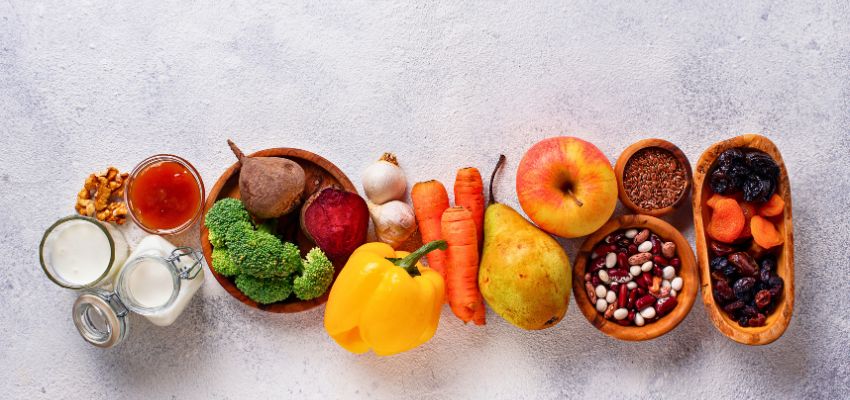
Best Probiotic Fruits That Naturally Support Gut Health
These fruits aren’t true probiotics. However, they do contain prebiotic fiber, polyphenols, antioxidants, and digestive enzymes. Each of these nutrients plays a role in nourishing your digestive microbiota. Eating a variety of fruits also gives your body a broader range of nutrients that support digestive and overall health.
Bananas
Bananas, especially when slightly green, are one of the best fruits for digestive health. Bananas are rich in resistant starch. This is a prebiotic carbohydrate that reaches the colon intact and feeds beneficial bacteria. A 100-gram serving provides about 2.6 grams of dietary fiber. It also supplies potassium, which supports healthy muscle and nerve function.
Best ways to enjoy them:
- Slice into yogurt or oatmeal.
- Blend into probiotic smoothies.
- Eat slightly green bananas for higher resistant starch content.
Apples
Apples are an ideal source of pectin, a soluble fiber that supports digestion and microbial diversity. They’re also rich in polyphenols, particularly in the skin, making whole apples a better choice than peeled ones. Beyond gut health, apples contribute to heart health and help increase daily fiber intake.
Best ways to enjoy them:
- Eat fresh with the skin on.
- Pair with almond butter or cheese.
- Dice into oatmeal or salads.
Berries
Blueberries, strawberries, blackberries, and raspberries are all great for gut health. They’re packed with fiber, antioxidants, and polyphenols. Together, these nutrients help support a healthy digestive environment. Since they’re naturally lower in sugar than many other fruits, they’re an excellent choice for everyday snacking or adding to meals.
Best ways to enjoy them:
- Add to yogurt or kefir.
- Mix into overnight oats.
- Blend into smoothies.
- Enjoy fresh as a snack.
Kiwifruit
Kiwifruit contains actinidin, a natural enzyme that helps break down proteins during digestion. Combined with its fiber, kiwi helps improve bowel regularity. It can also help relieve occasional constipation. It’s also a perfect source of vitamin C.
Best ways to enjoy it:
- Eat fresh for breakfast.
- Add to fruit salads.
- Blend into green smoothies.
Papaya
Papaya contains papain, a digestive enzyme that plays a critical role in the breaking down of proteins and may ease feelings of heaviness after meals. It also provides fiber along with vitamins A and C, making it a nutritious complement to a balanced diet.
Mangoes
Mangoes are rich in pectin, dietary fiber, and vitamins A and C. These nutrients support digestive, immune, and skin health. Keep in mind that mangoes are naturally sweeter than many other fruits. Enjoy them in moderation as a component of a balanced diet.
Pineapple
Pineapple is best known for bromelain, an enzyme that helps digest proteins. It also provides fiber and vitamin C, making it a refreshing choice that supports digestive wellness.
Avocados
Although often mistaken for a vegetable, avocados are technically a fruit and one of the richest natural sources of dietary fiber. Avocados are also rich in monounsaturated fats that support heart health. These fats enable your body to absorb fat-soluble vitamins. This makes avocados a unique and valuable addition to a gut-friendly diet.
Pomegranates
Pomegranates are packed with fiber and powerful polyphenols. These include ellagitannins and anthocyanins. Both compounds have been widely studied for their antioxidant properties. Their juicy arils add both flavor and nutritional variety to a gut-friendly eating plan.
Citrus Fruits
Oranges, grapefruits, lemons, and limes are ideal choices for gut health. They’re rich in vitamin C, pectin, and flavonoids. These nutrients support both digestive and immune health. When possible, opt for whole citrus fruits over juice. Whole fruits contain more fiber and offer greater nutritional benefits.
Grapes
Grapes contain water, fiber, and polyphenols. One key polyphenol is resveratrol. This antioxidant is found in higher concentrations in red and purple grape varieties. Grapes also have a high water content. This helps support hydration, which plays an important role in healthy digestion.
Pear
Pears are among the richest fruit sources of pectin and dietary fiber. Eating pears with the skin on boosts your fiber intake. It also adds beneficial plant compounds. This makes pears an excellent choice for supporting digestive health.
No single fruit provides every gut-health benefit. Eating a colorful variety throughout the week is key. It supplies different types of fiber, antioxidants, polyphenols, and digestive enzymes. Together, these nutrients work to support your digestive health and microbial diversity.
Are There Any Fruits With Probiotics?
Fresh fruits are great for digestive health. However, they’re not a significant source of live probiotic cultures. If you’re looking for fruits that actually contain probiotics, fermentation is the key.
Can Fresh Fruit Naturally Contain Beneficial Bacteria?
Fresh fruits naturally carry microorganisms on their surface. However, they don’t contain significant amounts of probiotics. They cannot compare to fermented foods or supplements. Instead, their main value comes from other nutrients. Fresh fruits provide prebiotic fiber, polyphenols, antioxidants, and digestive enzymes. These nutrients nourish the good bacteria already in your gut.
Do Fermented Fruits Contain Probiotics?
Yes. During fermentation, beneficial microorganisms break down the fruit’s natural sugars. As they multiply, they create live cultures. These cultures can support your digestive health. Although fermented fruits are less common than fermented dairy or vegetables, they can be another way to add probiotics to your diet.
Examples of Fermented Fruits
Some fermented fruit products that may contain live probiotic cultures include:
- Fermented apples: Traditionally fermented apples are rich in beneficial bacteria. You can also find these healthy microbes in unpasteurized apple cider vinegar.
- Fermented berries: Fermented berries retain many of the antioxidants and polyphenols found in fresh berries. The fermentation process also adds live cultures to the mix.
- Fermented lemons: Fermented lemons are a staple in Mediterranean and Middle Eastern cuisine. They add a bright, bold flavor to dishes. Depending on how they’re prepared, they may also provide beneficial bacteria.
If you buy fermented fruit products, look for labels indicating live or active cultures. Thinking about fermenting fruit at home? Always follow trusted food-safety guidelines. This will help lessen the risk of contamination.
Other Foods That Complement Probiotic Fruits
Eating prebiotic-rich fruits alongside probiotic foods helps support a balanced gut microbiome. Consider including these foods in your routine:
Yogurt and Kefir
Yogurt and kefir are considered rich natural sources of probiotics. They pair perfectly with prebiotic-rich fruits like berries, bananas, and apples. Together, they provide beneficial bacteria along with the fiber that helps nourish them.
Other Fermented Foods
Kimchi, sauerkraut, miso, and tempeh are all excellent sources of beneficial microorganisms. They also add a variety of nutrients and bold flavors to your diet. Including these fermented foods regularly can help support a well-rounded, balanced gut.
Probiotic Supplements
Sometimes, food alone isn’t enough to meet your probiotic needs. In these cases, a high-quality supplement such as BioNaze with clinically studied strains can help. This is especially useful after antibiotic use or during travel.
Frequently Asked Questions
Are fruits with probiotics real?
Yes, but they’re usually fermented rather than fresh. During fermentation, beneficial bacteria multiply naturally. This allows foods like fermented apples, berries, or lemons to contain live probiotic cultures. Fresh fruit is different. It supports gut health by providing prebiotic nutrients instead of live bacteria.
Which fruit is best for gut health?
There’s no single best fruit. Bananas, apples, berries, kiwifruit, pears, avocados, and pomegranates are all great choices. Each one offers a different combination of fiber, polyphenols, antioxidants, and digestive enzymes. No single fruit does it all. That’s why variety matters. Eating a wide range of fruits gives your gut the broadest range of nutrients to stay healthy.
Can I eat fruit with probiotic yogurt?
Absolutely. Pairing fruit with yogurt combines prebiotic fiber with live probiotic cultures. This creates a powerful combination. It works wonders to support your digestive health. It’s also an easy way to increase your intake of protein, vitamins, minerals, and fiber in one meal or snack.
What is the difference between probiotic fruits and prebiotic fruits?
Prebiotic fruits are fresh fruits that contain fiber and plant compounds. These feed the beneficial bacteria already living in your digestive tract. Probiotic fruits are fermented fruits. They contain live microorganisms that are created during the fermentation process. Most fruits commonly described as “probiotic” are actually prebiotic fruits.
Why Choose BioNaze?
While this article focuses on supporting digestive health through gut-friendly foods, wellness doesn’t stop with the gut. Your oral microbiome also matters. It’s the community of beneficial bacteria in your mouth and upper respiratory tract. It plays an essential part in your overall health.
BioNaze is a premium oral probiotic formulated with two patented, clinically studied strains: BLIS K12™ (Streptococcus salivarius K12) and BL-04™ (Bifidobacterium lactis BL-04). Delivered in a convenient daily lozenge, it helps maintain a healthy proportion of beneficial bacteria in the mouth and upper respiratory tract.
BioNaze works best as part of a balanced daily wellness routine. Match it with a diet rich in prebiotic fruits and probiotic foods. Together, they help support a healthy oral and upper respiratory microbiome.
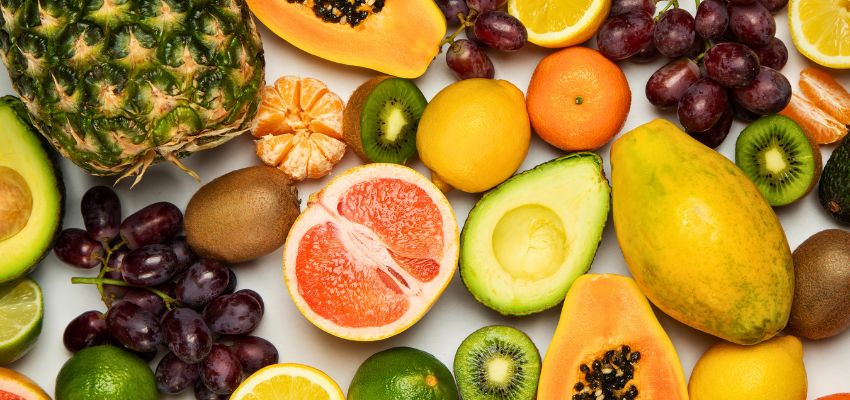
A Healthier Gut Starts With the Right Fruits
Most so-called probiotic fruits aren’t true probiotics, but they’re still some of the best foods you can eat to support digestive health. These fruits are packed with prebiotic fiber, polyphenols, antioxidants, and natural digestive compounds. They nourish beneficial gut bacteria to support a healthier, more balanced digestive system over time. Pair a variety of these fruits with probiotic-rich foods like yogurt, kefir, and other fermented edibles. It’s a simple, effective step toward better overall wellness.
Want to take your wellness routine a step further? BioNaze is a great place to start. It supports a healthy oral microbiome using clinically studied probiotic strains. Pair it with nutritious eating habits for a science-backed approach to digestive, oral, and immune health.

This Content Has Been Reviewed For Factual Accuracy
This content has undergone thorough fact-checking by our team of internal experts. Learn more about the meticulous editorial standard for our website here.
Benefit From The Latest Advancements In Probiotic Science With Bionaze
Bionaze is a proprietary blend of probiotics proven to promote ear, nose, and throat health, improve digestion, and support your immune system. The active ingredients BLIS K12, and BL-04 are considered among the best probiotics according to science.
Get 25% Off Your First Order when you use BIO25 at checkout!
ADVERTISEMENT


About The Author
Hi, I’m Corinne Grace, a proud nursing graduate from Riverside College with a flair for writing. I specialize in health and wellness topics, using my educational background to weave informative and attention-grabbing articles that appeal to a wide variety of readers.