
9 Kefir And Flaxseed Benefits You Need To Know About

Published June 3, 2026
Looking to support your digestive and immune health through diet? Many foods are promoted for their benefits, but the evidence varies. Kefir and flaxseed are nutrient-rich. As part of a balanced diet, you can support your digestive health, immune function, and overall well-being. Combine them to harness complementary nutrients and unlock your best health.
In this article, discover the compelling benefits of kefir and flaxseed, and learn actionable ways to add them to your diet. Start unlocking the full potential of these nutritional powerhouses today.
What Are Kefir And Flaxseed?
Kefir is a tangy, fermented dairy drink made by combining milk with kefir grains, containing beneficial bacteria and yeast. Unlike yogurt’s thick texture, kefir is a probiotic-rich beverage with a thinner consistency. Its probiotics and fermentation compounds may support digestive health and a balanced gut microbiome. Kefir could also affect immune function. Some research suggests benefits for digestion and metabolic health, but more large-scale studies are needed.
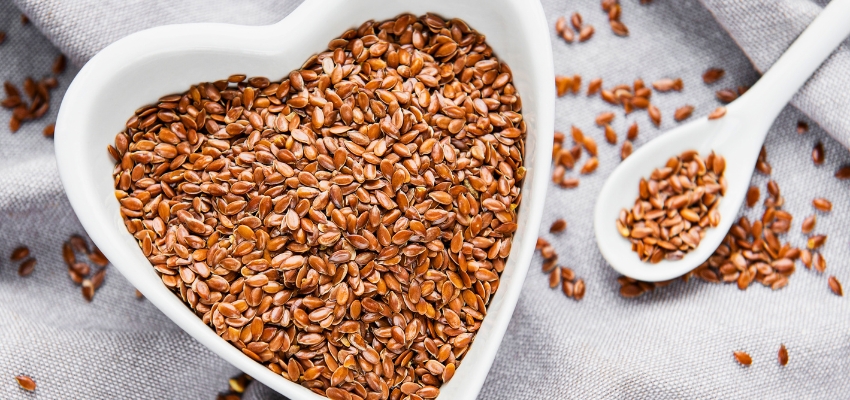
Flaxseeds are nutrient-dense and rich in fiber, omega-3s, and lignans. They provide vitamins and minerals. These seeds have been linked to heart health, digestion, and blood sugar regulation. Flaxseed’s soluble fiber slows digestion and may reduce carbohydrate absorption, supporting stable blood sugar.
Kefir provides probiotics, while flaxseed offers prebiotic fiber. Together, they may support digestive and immune health by promoting a healthy gut microbiome.
9 Reasons To Add Kefir And Flaxseed To Your Diet
Kefir and flaxseed are nutrient-dense foods that offer an array of health benefits. Here’s why you should consider including them in your daily routine.
Supports Gut Health And Digestion
Kefir and flaxseed may complement each other in supporting digestive health.
- Kefir contains probiotics that may contribute to gut microbiome diversity and function. These microbes may improve digestion. They can also help reduce common digestive issues like bloating, gas, and constipation.
- Flaxseed is packed with both insoluble and soluble fiber. It supports regular bowel movements. It also acts as a prebiotic, which provides nourishment for beneficial gut bacteria.
When consumed together, kefir and flaxseed may offer synergistic benefits akin to probiotic-prebiotic combinations. Kefir delivers beneficial microorganisms, while flaxseed supplies the fiber that nourishes them. This pairing may help support digestive health and contribute to gut microbiome function. More research, however, is needed on the effects of consuming both together.
Strengthens The Immune System
A healthy gut is crucial in immune function, and both kefir and flaxseed support this important connection.
- Kefir contains probiotics and fermentation-derived compounds. These may help regulate immune responses and also support gut barrier integrity. Much of the immune system is associated with the gut. Thus, maintaining a balanced microbiome can contribute to immune health.
- Flaxseed is a good source of antioxidants, lignans, and omega-3 fatty acids. These compounds may help minimize oxidative stress and support healthy inflammatory responses.
Incorporating kefir and flaxseed into your meals may help support immune function, especially as part of a balanced diet.

Improves Heart Health
Heart disease remains one of the main health concerns globally. Fortunately, both kefir and flaxseed may contribute to cardiovascular health.
- Kefir has been studied for its effects on blood pressure, cholesterol, and metabolic markers. Some research suggests regular kefir consumption may support healthy cholesterol levels. It might also improve certain cardiovascular risk factors. However, findings can vary between studies.
- Flaxseed is well known for its heart-supportive nutrients. It contains alpha-linolenic acid (ALA), an omega-3 fatty acid, plus fiber and lignans. Recent studies link flaxseed supplementation to several benefits. It may improve blood pressure and cholesterol markers in some people.
Kefir and flaxseed deliver nutrients and bioactive compounds that can fuel cardiovascular health. Make them staples in your diet as part of a healthy lifestyle.
May Support Metabolic Health
Kefir and flaxseed may also support metabolic wellness. This goes beyond their known benefits for digestion and heart health.
- The soluble fiber in flaxseed helps slow digestion and may reduce post-meal blood sugar spikes. Some studies link flaxseed to better insulin sensitivity and healthier blood sugar regulation.
- Kefir may also offer benefits for glycemic control and metabolic health, as observed in some clinical studies. Researchers are examining how kefir influences the gut and its potential effects on inflammation. These factors may explain why kefir supports metabolic wellness.
More research is needed, but including kefir and flaxseed in a balanced diet may support metabolic health, including blood sugar regulation.
What Research Says About Kefir, Flaxseed, And Cancer
Some laboratory and animal studies suggest compounds in kefir and flaxseed may affect cell growth pathways. However, more human research is necessary.
- Kefir contains bioactive peptides and other compounds. These have shown effects on cell-growth pathways in laboratory and animal studies.
- Flaxseed is considered a rich dietary source of lignans. Some observational studies link higher lignan intake to certain health outcomes. However, this necessitates further investigation to determine causality.
While these findings are promising, kefir and flaxseed are not cancer-preventive treatments. Instead, they should simply be enjoyed as part of a healthy diet.
Boosts Bone Health
Strong bones become even more important as we age. Both kefir and flaxseed provide valuable nutrients that support bone health.
- Kefir provides calcium and may contain vitamin K2, depending on the fermentation process. These nutrients play important roles in bone mineralization and bone density maintenance.
- Flaxseed is a good source of magnesium and phosphorus. These nutrients, and others in flaxseed, support healthy bones. They help with bone formation and maintenance.
These nutrient-rich foods help maintain bone health. They work best as part of a balanced lifestyle that promotes bone and skeletal strength.
Promotes Healthy Skin And Hair
What you consume can directly influence the appearance and health of your skin and hair.
- Probiotics present in kefir may influence skin health. Researchers are investigating the link between the gut microbiome and the immune system. Some research suggests probiotics can benefit certain inflammatory skin conditions. However, individual responses can vary.
- Flaxseed is the ideal source of omega-3 fatty acids and antioxidants. These help support skin hydration. They also protect against oxidative stress. These nutrients may also contribute to healthier-looking hair.
Adding kefir and flaxseed to your diet may contribute nutrients that support skin and hair health.
Helps With Weight Management
Want to maintain a healthy weight? Choose foods that keep you full and support metabolic health.
- Kefir contains protein, which can help increase satiety and support muscle maintenance.
- Flaxseed is rich in fiber, which slows digestion and helps you feel fuller for longer. This may help reduce overeating and support healthy eating habits.
Kefir and flaxseed aren’t magic weight-loss foods, but they’re smart weight management allies. Use their filling, health-supportive properties to help achieve your goals.
Both Have Antibacterial Properties
Kefir and flaxseed have natural antibacterial properties. They may help your body defend against harmful microorganisms.
- Certain probiotics in kefir can produce antimicrobial substances. These developments have been observed in lab studies. However, their clinical significance is still under investigation.
- Flaxseed contains lignans and polyphenols with antioxidant and antimicrobial properties. Laboratory studies suggest these compounds may help inhibit the growth of certain bacteria and fungi.
Together, kefir and flaxseed can help you defend your gut’s microbial balance. Make them regular parts of your diet and enjoy the rewards of a resilient, well-supported system.
How To Add Kefir And Flaxseed To Your Diet
Incorporating kefir and flaxseed into your daily diet is both straightforward and rewarding. Here are a few creative and tasty ideas to help you get started:
- Include in your morning smoothie. Blend kefir with your favorite fruits. Add a spoonful of ground flaxseed. This creates a creamy, nutrient-packed breakfast that supports gut health and satiety.
- Elevate your breakfasts. Stir ground flaxseed into oatmeal, yogurt, or breakfast bowls for extra fiber and healthy fats. Pair it with a glass of kefir or use kefir as a topping for cereal.
- Incorporate them into baking. Replace eggs with ground flaxseed by combining one tablespoon of flaxseed with three tablespoons of water. This works well in pancakes, muffins, and breads.
- Improve your salad dressings. Blend kefir into homemade dressings and add ground flaxseed for extra creaminess, probiotics, and fiber.
- Make overnight oats with kefir. Use kefir instead of milk for a creamy, protein-rich breakfast that may help keep you satisfied throughout the morning.
Frequently Asked Questions
Can I drink kefir if I’m lactose intolerant?
Yes, you might be able to. Kefir has less lactose than regular milk because the fermentation process breaks it down. Some people with lactose intolerance find kefir easier to digest than milk. However, everyone’s body is different.
How much kefir and flaxseed should I consume daily?
Most studies use about 1–2 cups (240–500 ml) of kefir daily. For flaxseed, the amount is usually 1–2 tablespoons (10–20 g) per day. However, the best amount for you might be different. Ground flaxseed is usually the best option. It’s easier to digest. This also allows your body to absorb more nutrients.
What’s the best time to consume kefir and flaxseed?
There is no specific best time. Many people enjoy them at breakfast for added satiety and digestive support, while others prefer kefir in the evening. Consistency is more important than timing.
Are there side effects of consuming too much kefir or flaxseed?
Introducing large amounts too quickly may lead to bloating, gas, or digestive discomfort. Start with smaller servings and gradually increase intake while drinking plenty of water.
Are there any contraindications?
Kefir may not be appropriate for individuals with dairy allergies unless a non-dairy version is used. Consult a healthcare professional before increasing flaxseed intake. This is especially important if you take blood-thinning medication. It’s also a consideration if you have certain medical conditions. Those with digestive disorders may also benefit from introducing flaxseed gradually.
Why Choose BioNaze?
Kefir and flaxseed provide general gut health benefits through probiotics and prebiotics. BioNaze, however, contains specific probiotic strains. These strains have been studied for their potential roles in oral and upper respiratory health.
BioNaze contains clinically studied probiotic strains. These have been investigated for their potential health benefits. They may support the ear, nose, throat, and immune system. Its unique formula includes:
- BLIS K12™ (Streptococcus salivarius K12): This strain has been studied for its potential to support oral and upper respiratory health. It may also help improve the oral microbiome associated with bad breath.
- BL-04™ (Bifidobacterium Lactis BL-04): This well-studied probiotic strain may support immune function.
BioNaze is a convenient probiotic supplement. It offers an alternative to getting probiotics and prebiotics from food. Including this supplement in your daily regimen may help support gut, immune, and upper respiratory health.
Harness The Combined Benefits Of Kefir And Flaxseed
Kefir and flaxseeds are nutritional powerhouses. They are versatile and can be easily added to daily meals. Try them in smoothies and baked goods to boost your health. Even a small daily serving can make a big difference to your overall wellness. Experimenting with recipes can help you enjoy the potent benefits these superfoods offer.
While kefir and flaxseed support general gut health, you can take your wellness a step further with BioNaze. This formula contains probiotic strains studied for their potential to support oral, upper respiratory, and immune health. Elevate your health routine by adding the targeted power of BioNaze.

This Content Has Been Reviewed For Factual Accuracy
This content has undergone thorough fact-checking by our team of internal experts. Learn more about the meticulous editorial standard for our website here.
Benefit From The Latest Advancements In Probiotic Science With Bionaze
Bionaze is a proprietary blend of probiotics proven to promote ear, nose, and throat health, improve digestion, and support your immune system. The active ingredients BLIS K12, and BL-04 are considered among the best probiotics according to science.
Get 25% Off Your First Order when you use BIO25 at checkout!
ADVERTISEMENT


About The Author
Hi, I’m Corinne Grace, a proud nursing graduate from Riverside College with a flair for writing. I specialize in health and wellness topics, using my educational background to weave informative and attention-grabbing articles that appeal to a wide variety of readers.