Oral Probiotics: 8 Reasons to Explore Them

Published October 13, 2026
Persistent bad breath, irritated gums, or recurring oral health concerns may leave you wondering whether your usual dental care routine is enough. Oral probiotics are one option you may encounter when researching ways to support oral health.
These supplements contain selected live microorganisms that may influence the oral microbiome. Research has explored their potential role in supporting fresher breath and gum health, but results vary by strain and use. These symptoms don’t prove you need probiotics or that a supplement will fix the underlying problem.
The following sections explain which concerns may prompt you to explore oral probiotics, what the research suggests, and how to evaluate a product safely.
8 Reasons to Explore Oral Probiotics
The following concerns and personal goals may prompt you to research oral probiotics. They’re not validated indicators of a probiotic deficiency, and several may have causes that require dental treatment.
1. You Have Persistent Bad Breath
Bad breath is also called halitosis. It often develops when oral bacteria break down food particles and release compounds that smell unpleasant. Gum disease, tooth decay, dry mouth, and certain medical conditions can also contribute.
Some oral probiotic strains have been studied for their potential to support fresher breath. One example is Streptococcus salivarius K12. However, the evidence varies. Probiotics may not resolve bad breath caused by an untreated dental problem or another underlying condition.
Persistent bad breath despite good oral hygiene is a sign you should see a dentist. Don’t rely on supplements to fix the problem.

2. You Experience Recurring Gum Inflammation
Red, swollen, or tender gums may indicate gingivitis, an early form of gum disease commonly associated with plaque buildup. Without appropriate care, gum problems can progress.
Researchers have studied whether certain probiotics can support standard gum care. They look at how these probiotics affect oral bacteria and inflammation. Findings vary by strain and outcome, and oral probiotics aren’t a substitute for professional gum treatment.
If inflammation keeps returning, ask your dentist to assess your gums and recommend appropriate care. If you’re considering probiotics alongside periodontal treatment, discuss whether the available evidence is relevant to your condition.
3. Your Gums Bleed When You Brush or Floss
Bleeding during brushing or flossing can be a sign of gingivitis. Brushing too aggressively or other dental problems may also contribute.
Some probiotic strains have been studied for their potential to support gum health, but bleeding gums don’t mean you need more beneficial bacteria. Improving oral hygiene and addressing plaque buildup are essential first steps.
Arrange a dental appointment if bleeding recurs or persists, especially if you also experience swelling or pain.
4. Plaque Builds Up Quickly
Dental plaque is a sticky biofilm containing bacteria that forms on teeth. If you don’t remove it regularly, plaque can contribute to cavities and gum inflammation. Hardened plaque, known as tartar, generally requires professional removal.
Researchers are studying whether certain oral probiotic strains affect microbial communities involved in plaque formation. However, oral probiotics cannot replace regular plaque removal.
Brush twice daily with fluoride toothpaste, clean between your teeth every day, and attend regular dental cleanings.
5. You Are Concerned About Frequent Cavities
Cavities develop when bacteria in dental plaque produce acids that weaken tooth enamel. Sugary foods and drinks, inadequate fluoride protection, and other risk factors can all contribute to a higher chance of tooth decay.
Researchers have investigated whether particular probiotic strains influence cavity-associated bacteria. However, current evidence doesn’t establish oral probiotics as a reliable way to prevent or reverse cavities.
Continue using fluoride toothpaste, limit frequent sugary snacks and drinks, and follow your dentist’s recommendations for cavity prevention.
6. You Have Persistent Dry Mouth or an Unpleasant Taste
Dry mouth occurs when saliva production is reduced, or your mouth feels unusually dry. Saliva helps clear food particles, neutralize acids, and protect teeth. Medications, dehydration, and certain health conditions can contribute to the problem.
An unpleasant taste may be associated with dental problems, oral infections, or other conditions. Oral probiotics aren’t an established treatment for dry mouth, so persistent symptoms deserve professional evaluation.
7. You Have Recently Taken Antibiotics
Antibiotics can affect microbial communities in the body, but their effects depend on the medication and the individual. This may lead some people to explore probiotic supplements.
Taking antibiotics doesn’t automatically mean you need oral probiotics. Evidence about one probiotic strain or its use in the digestive system cannot be applied to oral health.
Ask your healthcare professional if a probiotic is right for you. This is especially important if you have underlying health concerns.
8. You Want to Learn More About Oral Microbiome Support
Your mouth naturally contains a diverse community of microorganisms. A healthy oral microbiome isn’t bacteria-free; it reflects interactions among microorganisms, saliva, the body’s natural defenses, and daily habits.
Oral probiotics introduce selected live microorganisms that may influence this environment. However, research is still developing, and there’s no established need for routine supplementation in healthy people. Consistent oral hygiene remains the foundation of oral health.
How Do Oral Probiotics Support Oral Health?
How Oral Probiotics May Affect the Oral Microbiome
Oral probiotics introduce selected live microorganisms that may interact with bacteria already present in your mouth. They may compete with other microorganisms for attachment sites and produce substances that influence how other microbes grow.
These mechanisms remain under investigation. A plausible biological explanation doesn’t guarantee a measurable benefit for everyone, and results from one strain cannot be applied to another.
Which Probiotic Strains Are Studied for Oral Health?
Streptococcus salivarius K12, marketed as BLIS K12™, has been studied for its potential role in oral and upper respiratory health, including breath-related outcomes. The strength of evidence varies by outcome and study design.
Other probiotic strains have been investigated for gum health and cavity-associated bacteria. Findings for one strain shouldn’t be generalized to another strain or treated as proof that a finished supplement containing multiple strains produces the same effects.
How to Choose Oral Probiotics
Check the Strains and Intended Benefits
Look for a product that clearly identifies its probiotic strains. Then check whether research supports the specific outcome you want, such as fresher breath or gum health.
Be cautious about claims that a supplement can treat gum disease, prevent cavities, or resolve persistent oral symptoms without professional care.
Review Product Quality and Directions for Use
Check the product’s storage instructions, expiration date, serving directions, and viability information. A high colony-forming unit (CFU) count alone doesn’t prove a product is more effective.
Choose a formulation you can use as directed, and consult a healthcare professional if you have questions about its suitability.
Are Oral Probiotics Safe?
Oral probiotics are generally well-tolerated by healthy adults. However, safety depends on the product and your health. If you’re immunocompromised, critically ill, or at increased risk of infection, speak with a healthcare professional before using probiotic supplements.
Side effects are possible, and safety information may differ between products. Follow label directions and seek professional advice if you experience a concerning reaction.
Oral probiotics are supplements, not substitutes for dental treatment for cavities, infections, or periodontal disease.
Why Choose BioNaze?
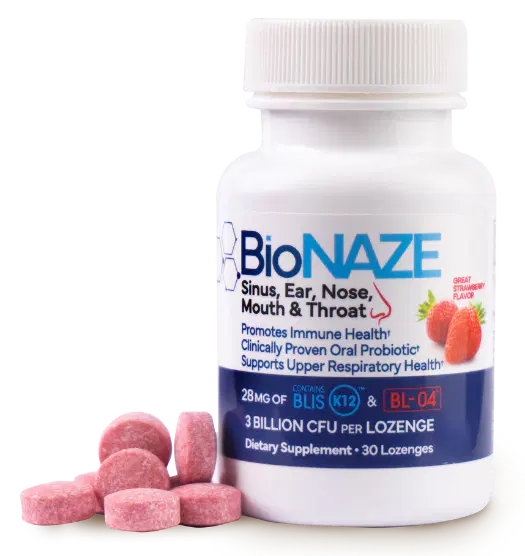
BioNaze combines BLIS K12™ (Streptococcus salivarius K12) and BL-04™ (Bifidobacterium Lactis BL-04) in a lozenge formulation. The two strains have different research backgrounds, and evidence relating to either strain shouldn’t automatically be interpreted as proof of a benefit from the finished product.
Before choosing BioNaze, review its current product label, directions for use, and available strain-specific research to determine whether it aligns with your needs.
- BLIS K12™ (Streptococcus salivarius K12): This probiotic strain is associated with the mouth and throat. Research has examined its potential role in oral and upper respiratory health, including breath-related outcomes, although the strength of evidence varies by outcome.
- BL-04™ (Bifidobacterium lactis BL-04): This strain has been studied in research involving immune function and respiratory health, although findings vary by study and outcome.
Visit BioNaze to review the current product information, directions for use, and available strain research before deciding whether the formulation aligns with your needs.
Frequently Asked Questions
How long does it take for oral probiotics to work?
There’s no universal timeline. Results depend on the probiotic strain, formulation, intended benefit, and individual. Follow the product directions and consult a professional if symptoms persist.
Can oral probiotics help with bad breath?
Some strains, including S. salivarius K12, have been studied for their potential to support fresher breath. Persistent bad breath can have several causes and may require dental evaluation.
Can oral probiotics replace mouthwash or regular dental care?
No. Oral probiotics should complement, not replace, brushing with fluoride toothpaste, cleaning between teeth, and professional dental care.
Are oral probiotics the same as regular probiotic supplements?
Not necessarily. Probiotic effects depend on the strain and its intended application. A supplement designed for digestive health isn’t automatically suitable for oral health.
Can you take oral probiotics every day?
Daily use depends on the product’s directions and your individual health circumstances. Follow the label and ask a healthcare professional if you have concerns.
Should you take oral probiotics after antibiotics?
Not automatically. Whether supplementation is appropriate depends on your circumstances and the intended benefit. Ask your healthcare professional for individualized advice.
Can children take oral probiotics?
Age suitability varies by product and strain. Check the label and consult a pediatrician or dentist before giving oral probiotic supplements to a child.
Should You Consider Oral Probiotics?
Persistent bad breath and recurring gum problems deserve attention, but they don’t mean you need oral probiotics. Start by addressing dental concerns and maintaining a consistent oral care routine.
If you’re considering a supplement, look for clearly identified strains and evidence relevant to your intended benefit. Visit BioNaze to review its formulation and product information, then discuss any questions about suitability with your dentist or healthcare professional.

This Content Has Been Reviewed For Factual Accuracy
This content has undergone thorough fact-checking by our team of internal experts. Learn more about the meticulous editorial standard for our website here.
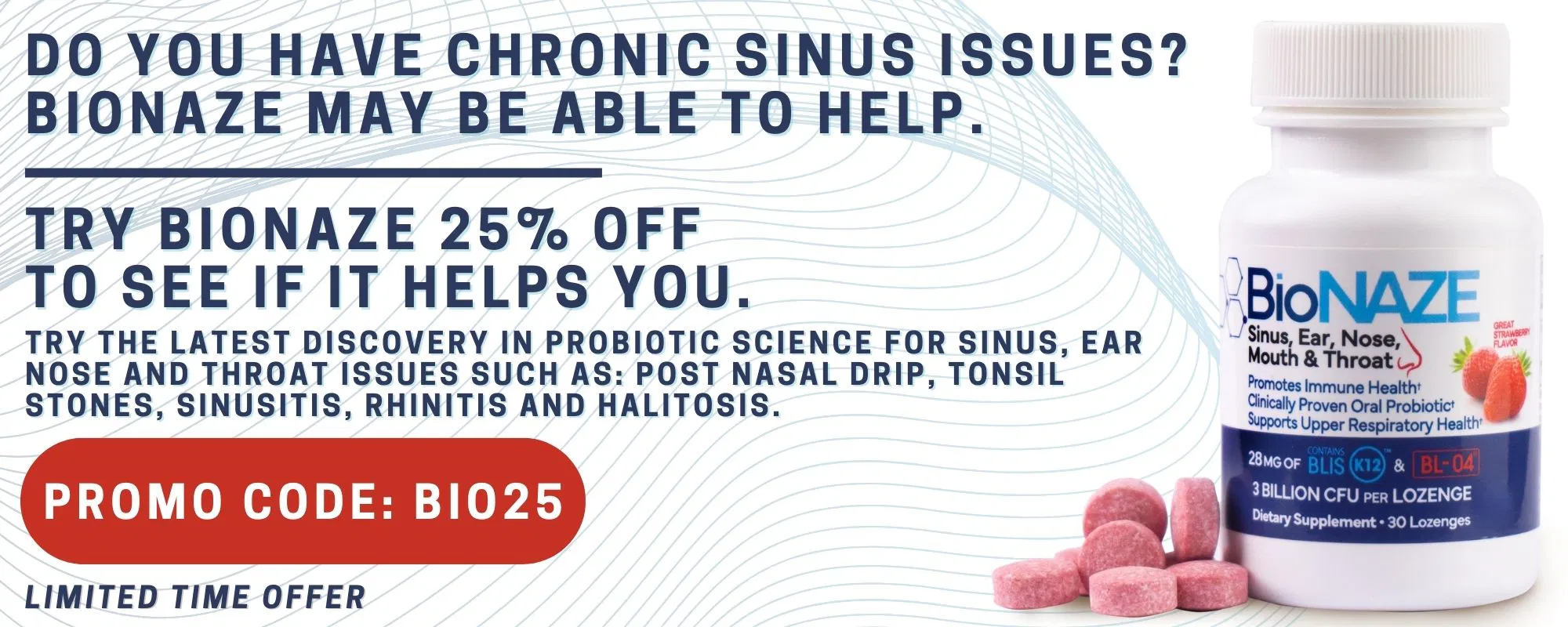
Benefit From The Latest Advancements In Probiotic Science With Bionaze
Bionaze is a proprietary blend of probiotics proven to promote ear, nose, and throat health, improve digestion, and support your immune system. The active ingredients BLIS K12, and BL-04 are considered among the best probiotics according to science.
Get 25% Off Your First Order when you use BIO25 at checkout!
ADVERTISEMENT

About The Author
Hi, I’m Corinne Grace, a proud nursing graduate from Riverside College with a flair for writing. I specialize in health and wellness topics, using my educational background to weave informative and attention-grabbing articles that appeal to a wide variety of readers.