Postnasal Drip in Children: A Parent’s Guide to Treatment
Published August 4, 2026
A child who frequently clears their throat or wakes with a persistent nighttime cough can disrupt the entire household. Post nasal drip is a usual cause of these symptoms and often develops during or after a cold, sinus infection, or seasonal allergies.
The right child post nasal drip treatment depends on the underlying cause of excess mucus. Since post nasal drip is a symptom rather than a condition, identifying the root cause is essential. Once addressed, supportive home care can help relieve symptoms. In some cases, pediatrician guidance may be necessary for recovery.
Begin by understanding what is causing your child’s symptoms. From there, you can consider treatment options, supportive home remedies, when to seek medical care, and the possible role of oral probiotics in a wellness routine.
What Is Post Nasal Drip in Children?
Post nasal drip occurs when mucus accumulates at the back of the throat instead of draining through the nostrils. Often, this mucus is swallowed without notice. While it may seem excessive during certain times, the body produces mucus daily to keep nasal passages moist, humidify inhaled air, trap particles, and support natural defenses against infection.
Problems develop when the body produces excess or thicker mucus, or when mucus is not cleared efficiently. As it builds up, children may feel a tickling sensation or something stuck in the throat, leading to frequent throat clearing, coughing, and irritation. The tonsils and surrounding tissues may also become irritated, causing a swollen sensation even without infection.
What Causes Post Nasal Drip in Children?
Allergies
Allergic rhinitis is a leading cause of post nasal drip in children. It occurs when the immune system overreacts to allergens like pollen, mold, pet dander, dust mites, insect venom, or certain foods. This response releases histamine, inflaming nasal passages and increasing mucus production. Common symptoms include runny nose, sneezing, congestion, and post nasal drip, often noticed during allergy season or after exposure to allergens.
Common Cold and Viral Infections
Colds and other viral respiratory infections frequently cause post nasal drip in children. The body produces more mucus to trap and clear viruses, and some of this mucus collects at the back of the throat, especially when a child is lying down. This can trigger coughing and throat irritation.
Sinus Infections
A sinus infection can also cause post nasal drip among children. Inflammation swells the sinus lining and thickens mucus, making normal drainage difficult. As a result, mucus often trickles down the back of the throat.
When a bacterial sinus infection is confirmed, a pediatrician may recommend antibiotics. Many children begin improving within the first few days of treatment. Symptoms that continue for 12 weeks or longer are generally considered chronic sinusitis and may require further evaluation, according to research published in PMC.
Dry Air and Environmental Irritants
Heated indoor air during colder months can dry nasal passages. Cigarette smoke, strong fragrances, cleaning products, and other environmental irritants can also cause irritation. In response, the body may produce more mucus, contributing to post nasal drip.
Enlarged Adenoids
Adenoids, situated at the rear part of the nasal cavity, are part of a child’s immune system. When enlarged from repeated infections or chronic inflammation, they can block drainage and airflow, causing congestion, mouth breathing, snoring, and persistent post nasal drip.
Acid Reflux (Less Common)
Although less common, gastroesophageal reflux disease (GERD) can cause symptoms similar to post nasal drip. GERD allows stomach contents to move back into the esophagus or throat, leading to irritation, sore throat, heartburn, or difficulty swallowing. If post nasal drip persists without a clear cause, consult a pediatrician to determine if GERD may be involved.
Foreign Object in the Nose (Young Children)
Young children, especially toddlers and preschoolers, may insert small objects into their noses, such as beads, food, paper, or toy parts. This can cause foul-smelling, one-sided nasal drainage, which should be assessed by a healthcare provider right away.
Signs and Symptoms of Post Nasal Drip in Children
Post nasal drip symptoms vary, but common signs include:
- Frequent throat clearing
- Persistent cough, especially at night
- Sore throat
- Hoarse voice
- Bad breath
- Runny or stuffy nose
- Swallowing excess mucus, which may cause nausea or an upset stomach
- Difficulty sleeping
Many children report a tickling or itchy throat as mucus drains downward. Lying flat allows mucus to collect more easily, which is why coughing and throat irritation often worsen at night.

Child Post Nasal Drip Treatment
Treat the Underlying Cause
Since post nasal drip is a symptom, treatment focuses on addressing the underlying cause of excess mucus.
- Viral infections tend to subside on their own within one to two weeks. Supportive care can help keep children comfortable during recovery.
- Managing allergies involves pinpointing and minimizing potential exposure to triggers. A pediatrician may recommend age-appropriate antihistamines or nasal sprays as needed.
- Sinus infections may require antibiotics if bacterial, but many are viral and resolve without antibiotics.
- Environmental irritants such as dry air, cigarette smoke, and strong odors can trigger symptoms. Limiting exposure and improving indoor air quality can help.
Home Remedies That May Help
Supportive home care can help relieve symptoms as the underlying cause resolves:
- Saline nasal spray or drops to loosen up the mucus and rinse away irritants
- Saline nasal irrigation, when age-appropriate and performed under adult supervision
- Increasing the intake of fluids to help thin mucus
- Warm drinks, such as broth or warm water, which may help soothe throat irritation
- Utilizing a cool-mist humidifier to add moisture to dry indoor air
- Elevating the head during sleep when appropriate for the child’s age
- Avoiding cigarette smoke and known allergens whenever possible
Medications Your Child’s Doctor May Recommend
Depending on the underlying cause, a pediatrician may recommend:
- Antihistamines for allergy-related symptoms, when appropriate
- Nasal corticosteroid sprays to reduce nasal inflammation, when recommended by a pediatrician
- Antibiotics may be prescribed for cases involving bacterial sinus infections. They’re not effective against viral infections and will not be recommended in those cases.
Over-the-counter cough and cold medicines are generally not recommended for young children. The American Academy of Pediatrics firmly advises against using these medications in children under 4 years old. For children ages 4 to 6, they should only be used under a doctor’s guidance.
These medications provide limited benefit for young children and may increase the risk of side effects, especially with combination products that can cause accidental double-dosing.
For children over 1 year old, many pediatricians recommend a small amount of honey to soothe nighttime coughing. Research suggests honey may reduce nighttime cough and be more effective than some over-the-counter syrups.
Why Choose BioNaze?
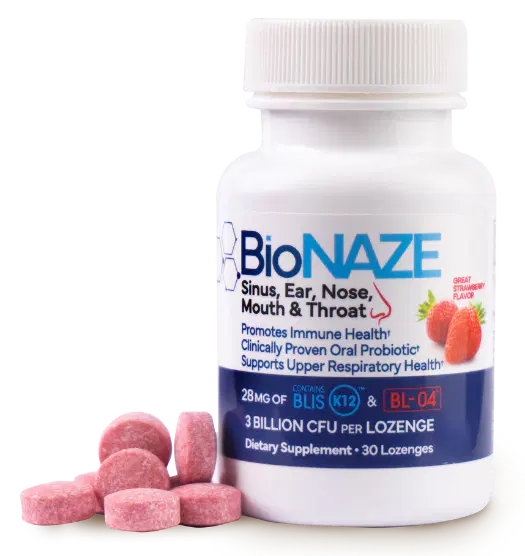
BioNaze is a daily oral probiotic supplement formulated with two clinically studied strains: BLIS K12™ (Streptococcus salivarius K12) and BL-04™ (Bifidobacterium Lactis BL-04). BioNaze is designed to complement your family’s wellness routine and can be used alongside healthy lifestyle habits.
BioNaze highlights:
- Contains BLIS K12™ (Streptococcus salivarius K12) and BL-04™ (Bifidobacterium Lactis BL-04), two clinically studied probiotic strains.
- Designed for daily use as part of an everyday wellness routine.
- Easy to incorporate alongside healthy habits such as good oral hygiene, proper hydration, and a balanced diet.
- Formulated with clinically studied probiotic strains selected for inclusion in BioNaze’s daily oral probiotic formula.
BioNaze is not a treatment for post nasal drip or its causes, but it can be included in a wellness routine. Use it alongside healthy habits and appropriate medical care as needed.
When Should You See a Doctor?
Most cases of post nasal drip improve with supportive care as the underlying cause resolves. However, contact your child’s pediatrician if you notice any of the following:
- Symptoms lasting longer than 10 days
- High fever
- Difficulty breathing or wheezing
- Bloody mucus
- Persistent nighttime cough that isn’t improving
- Ear pain
- A suspected foreign object in the nose
Persistent symptoms require medical attention. Chronic rhinosinusitis is diagnosed when sinus-related symptoms last longer than three months. In these cases, a comprehensive evaluation may be required to determine the cause and determine appropriate treatment.
How to Help Prevent Post Nasal Drip in Children
While post nasal drip cannot always be prevented, certain daily habits can help lower risk and reduce symptom severity:
- Encourage regular handwashing, especially during the peak cold and flu season.
- Manage seasonal allergies before symptoms become severe.
- Keep your child well hydrated throughout the day.
- Reduce exposure to allergens and environmental irritants at home.
- Avoid secondhand smoke
- Maintain comfortable indoor humidity levels, particularly during the winter months.
These habits can help reduce common post nasal drip triggers and support your child’s overall respiratory health.
Frequently Asked Questions
How long does post nasal drip last in children?
Post nasal drip from a common cold usually improves within one to two weeks. Allergy-related symptoms may persist as long as exposure continues. Sinus-related post nasal drip can last longer and may become chronic.
What is the best child post nasal drip treatment?
The most effective treatment targets the underlying cause, such as allergies, viral infection, dry air, or another trigger. Supportive measures like saline nasal sprays, staying hydrated, and utilizing a cool-mist humidifier can help ease symptoms during recovery.
Can post nasal drip cause coughing at night?
Yes. When children lie down, mucus collects more easily at the back of the throat, often triggering coughing and making symptoms more noticeable at night.
Is post nasal drip contagious?
No. Post nasal drip itself is not contagious. However, if caused by a viral illness like the common cold, the underlying infection can spread.
Can allergies cause post nasal drip in children?
Yes. Allergic rhinitis is a leading cause of ongoing post nasal drip in children. Symptoms often worsen during high pollen exposure, and allergens indoors such as dust mites and pet dander can also trigger the condition.

Helping Your Child Find Relief from Post Nasal Drip
Finding the right child post nasal drip treatment starts with identifying the underlying cause, whether it is a cold, allergies, dry air, or a sinus infection. Addressing the root issue is often the most effective step toward relief. Supportive measures like saline nasal sprays, staying hydrated, and using a cool-mist humidifier can also help ease symptoms during recovery.
If symptoms continue, worsen, or are accompanied by high fever or difficulty breathing, consult your child’s pediatrician. Families interested in oral probiotics can learn more about BioNaze and its role in a wellness routine.

This Content Has Been Reviewed For Factual Accuracy
This content has undergone thorough fact-checking by our team of internal experts. Learn more about the meticulous editorial standard for our website here.
Benefit From The Latest Advancements In Probiotic Science With Bionaze
Bionaze is a proprietary blend of probiotics proven to promote ear, nose, and throat health, improve digestion, and support your immune system. The active ingredients BLIS K12, and BL-04 are considered among the best probiotics according to science.
Get 25% Off Your First Order when you use BIO25 at checkout!
ADVERTISEMENT

About The Author
Hi, I’m Corinne Grace, a proud nursing graduate from Riverside College with a flair for writing. I specialize in health and wellness topics, using my educational background to weave informative and attention-grabbing articles that appeal to a wide variety of readers.