How to Relieve Nasal Congestion at Night: 10 Remedies

Published August 10, 2026
You settle into bed, only to find your nose suddenly congested. Nighttime nasal congestion can develop just as you try to fall asleep, even if you felt fine earlier. This can lead to a bothersome cycle of mouth breathing and restless sleep.
Nighttime congestion often has multiple causes, including allergies, lying flat, dry air, acid reflux, colds, and nasal inflammation. Identifying your triggers can help you manage symptoms more effectively. Below are common causes, remedies, prevention tips, and when to seek medical advice.
Why Do You Get Nasal Congestion at Night?
Several factors contribute to nighttime congestion, such as body position, environmental triggers, and nasal inflammation. Common causes include allergens, dry air, lying flat, infections, acid reflux, and structural issues like a deviated septum or nasal polyps.
Common reasons your nose may feel more congested at night include:
- Lying flat
- Bedroom allergens such as pet dander, dust mites, mold, and pollen
- Dry air and environmental irritants
- Colds, rhinitis, or sinus inflammation
- Acid reflux
- Structural nasal problems
Lying Down Can Make Nasal Congestion Worse
When upright, gravity helps mucus drain. Lying flat slows drainage and can cause swelling in nasal tissues, making congestion more noticeable at bedtime.
Bedroom Allergens Can Trigger Nighttime Congestion
Dust mites, pet dander, mold, and pollen in the home can trigger nighttime allergy symptoms. Outdoor allergens may also be brought indoors on hair or clothing. Extended time in the same environment can make symptoms more noticeable at night.
Dry Air and Environmental Irritants Can Irritate the Nose
Low humidity from air conditioning or heating can dry and sensitize the nasal lining. Smoke, strong fragrances, and cleaning products may also irritate the nose, even without allergies.
Colds, Rhinitis, and Sinus Inflammation Can Cause Nighttime Stuffiness
A cold can temporarily swell nasal passages as your immune system responds. Allergic rhinitis is triggered by allergens, while non-allergic rhinitis may flare due to irritants or weather changes. Symptoms often worsen when lying down.
Acid Reflux May Contribute to Nighttime Nasal Symptoms
Lying down right after eating increases the chances of reflux. Nighttime congestion with heartburn, throat irritation, or coughing after late meals may indicate acid reflux. Talk about these symptoms with a healthcare professional if they occur.
Structural Nasal Problems Can Cause Persistent Blockage
A deviated septum, nasal polyps, enlarged turbinates, or chronic inflammation can narrow nasal passages. Persistent or one-sided congestion may require professional evaluation, as home remedies may not resolve the underlying issue.

How to Relieve Nasal Congestion at Night: 10 Remedies
Remedies range from simple adjustments to medication. The most effective method depends on the cause of your congestion.
Elevate Your Head While Sleeping
Using an extra pillow or wedge to elevate your head and upper body can ease congestion when lying flat. While this does not address the underlying cause, it may improve nighttime breathing comfort.
Try to:
- Elevate your head and upper body comfortably.
- Consider a wedge pillow if regular pillows do not provide enough support.
- Avoid a position that strains your neck or causes discomfort.
Use a Saline Nasal Spray or Irrigation
Saline spray or nasal irrigation helps loosen mucus and remove irritants from the nasal passages.
If you use nasal irrigation:
- Use distilled or sterile water.
- Alternatively, use water that has been appropriately boiled and cooled.
- Never use untreated tap water.
- Clean and dry the irrigation equipment between uses.
Keep Bedroom Allergens Under Control
If congestion is mainly at night, reducing exposure to potential bedroom allergens may help.
- Wash bedding regularly.
- Keep pets off the bed or out of the bedroom.
- Reduce dust-collecting clutter.
- Address visible mold promptly.
- Consider an air purifier if airborne allergens are a suspected trigger.
These steps help reduce exposure to potential bedroom triggers, especially if symptoms worsen at night.
Use a Humidifier If the Air Is Dry
Dry indoor air, common in heated or air-conditioned rooms, can irritate nasal passages. Adding humidity may help relieve discomfort.
If you use a humidifier:
- Clean and maintain it based on the manufacturer’s instructions.
- Keep indoor humidity at 50% or below to help limit excess moisture and mold growth.
Take a Warm Shower or Apply a Warm Compress
A warm shower or a warm, damp washcloth can help loosen up the mucus and ease nasal discomfort. Use this as a comfort measure, not a solution for persistent congestion. If symptoms recur, identify the underlying trigger instead of relying solely on warmth.
Stay Adequately Hydrated
Drinking enough fluids helps keep mucus thin and easier to clear. While hydration alone will not eliminate congestion, it supports normal mucus clearance.
Reduce Triggers Before Bedtime
Smoke, strong fragrances, and cleaning products can irritate the nose, regardless of allergies.
If these are potential triggers:
- Avoid smoke exposure before bed.
- Limit strong fragrances in the bedroom.
- Avoid irritating cleaning products around bedtime.
- Shower after spending extended time outdoors if outdoor allergens may be a trigger.
- Change clothes after spending time outdoors if pollen or other allergens are a concern.
Adjust Your Evening Routine If Reflux May Be Contributing
If reflux coincides with nighttime congestion or throat symptoms, adjust your evening routine.
You may want to:
- Avoid eating close to bedtime.
- Avoid particularly large evening meals if they seem to trigger reflux symptoms.
- Pay attention to whether late meals coincide with congestion, heartburn, or coughing.
- Discuss recurring reflux symptoms with a healthcare professional.
Consider Nasal Strips for Airflow Support
Adhesive nasal strips widen the nasal passages and may improve airflow for some people. They provide mechanical support but do not address underlying inflammation or other causes.
Consider Medication When Appropriate
The right medication depends on the cause of your symptoms and your health needs.
Options may include:
- Antihistamines: May help when allergies are driving nasal symptoms.
- Intranasal corticosteroids: Can help manage nasal inflammation associated with allergic rhinitis and may be used for some forms of non-allergic rhinitis.
- Decongestants: May provide short-term relief but are not appropriate for everyone.
- Topical decongestant sprays: Should not be overused because frequent use can contribute to rebound congestion.
Some decongestants may raise blood pressure or disrupt sleep. Overusing topical sprays can cause rebound congestion. Consult a pharmacist or healthcare professional to find the best option for your symptoms and health history.
How to Prevent a Stuffy Nose at Night
If nighttime congestion recurs, track when symptoms appear and potential exposures beforehand.
Identify and Reduce Your Nighttime Triggers
Pay attention to whether symptoms appear or worsen after:
- Spending time in the bedroom
- Exposure to pets
- Seasonal allergen exposure
- Using cleaning or fragrance products
- Sleeping in dry air
- Eating late
- Having a recent respiratory infection
You can also make practical changes to your sleeping environment:
- Keep bedding clean and reduce dust.
- Maintain comfortable humidity.
- Keep the room adequately ventilated.
- Remove scented products and other known irritants.
This is not a substitute for diagnosis. Instead, use these observations to identify patterns and discuss them with a healthcare professional if symptoms persist.
Address Recurring Congestion Instead of Relying Only on Quick Relief
Recurring congestion may result from allergic or non-allergic rhinitis, chronic inflammation, reflux, or structural issues. Assessing the cause is more effective than relying on temporary relief.
When Should You See a Doctor?
Occasional nasal congestion is common. If symptoms persist or disrupt sleep, seek professional evaluation, especially if self-care is not effective.
Persistent or Recurring Congestion Deserves Evaluation
If congestion disrupts your sleep or does not improve with self-care, consult a healthcare professional. Long-term home management may not be sufficient.
Seek Medical Advice for Concerning Accompanying Symptoms
Seek professional medical advice if nighttime congestion occurs with:
- Significant facial pain or swelling
- Fever
- Significant breathing difficulty
- Persistent one-sided nasal congestion
- Symptoms that substantially interfere with sleep or daily activities
These symptoms may not always indicate a serious problem, but they require professional assessment. Do not rely only on home remedies.
Seek urgent medical attention if congestion is accompanied by vision changes, swelling or pain around the eyes, severe headache, or any other severe symptoms.
Frequently Asked Questions
Why do I get congested at night but not during the day?
When you lie down, mucus drainage slows, and nasal tissues can swell. This makes congestion worse at night. Bedroom allergens, such as dust mite allergens, can also contribute to symptoms that become more noticeable by bedtime.
Why does my nose get stuffy at night when I lie down?
Being horizontal can slow mucus drainage and contribute to swelling in the nasal tissues. That can make congestion more noticeable once you lie down, even if your nose feels clear during the day.
What is the fastest way to relieve a stuffy nose at night?
There’s no single fastest remedy, as relief depends on the cause. Elevating your head and using saline may help. Addressing the underlying trigger is key for recurring congestion.
Is it normal to have a stuffy nose only at night?
Occasional nighttime congestion can result from body position or bedroom exposure. If it occurs regularly, environmental triggers or conditions like rhinitis or reflux may be involved. Consult a healthcare professional if needed.
Why Choose BioNaze?
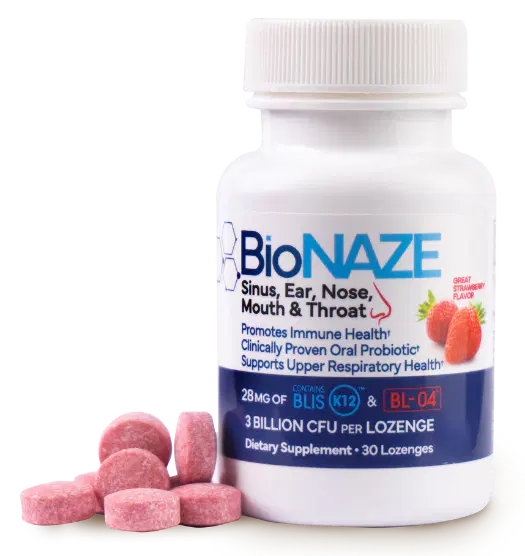
BioNaze is an oral probiotic lozenge that combines two researched probiotic strains, BLIS K12™ (Streptococcus salivarius K12) and BL-04™ (Bifidobacterium Lactis BL-04). The product is formulated for sinus, ear, nose, throat, and oral health.
BioNaze combines these two strains in one convenient formulation and offers research and educational resources on BLIS K12™ (Streptococcus salivarius K12) and BL-04™ (Bifidobacterium Lactis BL-04). This allows readers to learn more about the strains and their use in ENT and oral health.

Finding Relief From Nasal Congestion at Night
The best approach to nasal congestion at night depends on its triggers. Start with practical steps like elevating your head, using saline, managing bedroom humidity, and reducing allergens. If congestion persists or affects your sleep, seek professional evaluation instead of relying on quick fixes.
If you want to learn more about the oral and upper respiratory microbiome and its role in ENT health, explore Bionaze’s educational resources on its patented, clinically studied probiotic strains.

This Content Has Been Reviewed For Factual Accuracy
This content has undergone thorough fact-checking by our team of internal experts. Learn more about the meticulous editorial standard for our website here.
Benefit From The Latest Advancements In Probiotic Science With Bionaze
Bionaze is a proprietary blend of probiotics proven to promote ear, nose, and throat health, improve digestion, and support your immune system. The active ingredients BLIS K12, and BL-04 are considered among the best probiotics according to science.
Get 25% Off Your First Order when you use BIO25 at checkout!
ADVERTISEMENT


About The Author
Hi, I’m Corinne Grace, a proud nursing graduate from Riverside College with a flair for writing. I specialize in health and wellness topics, using my educational background to weave informative and attention-grabbing articles that appeal to a wide variety of readers.