Foods That Clear Sinus Congestion Naturally: What to Eat

Published July 27, 2026
Few things are more frustrating than lying awake because you can’t breathe through your nose. Before reaching for another decongestant, check your kitchen. Some foods may help loosen mucus and soothe irritated nasal passages. They won’t cure the underlying cause, but they can make breathing easier. Think of them as a helpful addition to rest, hydration, and other supportive care.
Why Certain Foods May Help Clear Sinus Congestion
What Causes Sinus Congestion?
Sinus congestion happens when the tissue lining your nasal passages becomes inflamed. When this occurs, mucus can’t drain normally. Common triggers include colds, allergies, and irritants like smoke or dry air. These can cause pressure around the eyes, cheeks, and forehead, along with a stuffy nose.
How Food May Support Mucus Drainage and Sinus Comfort
Food won’t clear blocked sinuses like a decongestant spray, but certain choices may help you feel more comfortable. Warm liquids create steam that may loosen mucus, while spicy foods and garlic may stimulate nasal drainage. Foods rich in antioxidants and other nutrients also support normal immune function as your body responds to illness.
Foods May Help Relieve Symptoms, but They Won’t Cure a Sinus Infection
No food can cure a sinus infection. The right diet may ease symptoms, but if bacteria cause the infection, medical treatment may be necessary. Think of food as supportive care, not a replacement for professional evaluation.

Foods That Clear Sinus Congestion Naturally
If you’re looking for foods that clear sinus congestion, these are the most commonly recommended options.
Spicy Foods
Chili peppers, cayenne, horseradish, and wasabi are well known for providing temporary sinus relief. Capsaicin is the compound that provides peppers their heat. It stimulates the nasal passages and often triggers a runny nose. This helps loosen trapped mucus. Horseradish and wasabi create a similar effect through their own naturally pungent compounds.
Warm Soups and Broths
A steaming bowl of soup does more than provide comfort. Warm vapor helps thin mucus and makes it easier to drain. Some research suggests chicken soup may have mild anti-inflammatory properties.
Ginger and Turmeric
Ginger and turmeric are acknowledged for their anti-inflammatory compounds. These may help calm irritated nasal tissues. Try brewing fresh ginger and turmeric into hot water with lemon. This combines their potential benefits with soothing steam and added hydration.
Garlic and Onions
Garlic contains compounds that may help reduce sinus inflammation. Onions belong to the same allium family and contain similar sulfur compounds. Both are flavorful additions to soups and warm meals.
Pineapple and Bromelain
Pineapple contains bromelain, an enzyme studied for its potential to reduce sinus swelling. Research has linked bromelain supplements to improvements in sinus pain and inflammation. Fresh pineapple also provides vitamin C and manganese. It contains far less bromelain than the concentrated extracts used in studies. Even so, it remains a nutritious and tasty addition to your diet.
Citrus Fruits and Vitamin C-Rich Foods
Oranges, limes, lemons, and other types of citrus fruits are rich in vitamin C. This nutrient supports immune function by helping your body generate white blood cells that fight infection. While vitamin C won’t clear congestion on its own, these fruits are a healthy addition to your diet when you’re feeling under the weather.
Leafy Greens and Antioxidant-Rich Vegetables
Spinach, kale, and colorful vegetables are packed with antioxidants, vitamins, and minerals. These nutrients support healthy immune function and protect the tissues lining the respiratory tract from oxidative stress.
Warm Herbal Teas
Warm tea provides soothing steam while helping you stay hydrated. Ginger, turmeric, and lemon teas are popular choices when congestion strikes, and adding a spoonful of honey may help soothe the irritation in the throat due to post-nasal drip.
Probiotic Foods
Fermented foods like yogurt, kefir, and miso are rich in beneficial bacteria. These bacteria help support a healthy immune response. A Cochrane review analyzed more than a dozen randomized trials. It found that regular probiotic use was linked to a lower likelihood of upper respiratory infections.
Does Spicy Food Help With Congestion?
Why Spicy Foods Make Your Nose Run
Yes. Spicy foods are among the most widely studied natural remedies for temporary sinus congestion. Capsaicin activates receptors in the nasal lining, often causing a runny nose within minutes. Research on capsaicin-based treatments also suggests it can reduce congestion and sneezing in some people.
Is the Relief Temporary?
Usually, the extra drainage lasts only while the effects of the spicy meal remain. It can make breathing easier for a short time but doesn’t address the inflammation or infection causing the congestion.
When Spicy Foods May Not Be the Best Choice
Spicy meals aren’t right for everyone. If you have acid reflux, stomach sensitivity, or irritation in your mouth or throat, they may make you feel worse. They should never replace medical care when symptoms are severe or persistent.
Foods To Avoid When You Have Sinus Congestion
Some foods may ease congestion, while others can make symptoms worse.
Alcohol
Alcohol can cause dehydration, increase inflammation, and weaken immune defenses. Red wine may also trigger congestion in some people because it contains histamine.
Highly Processed Foods and Excess Sugar
Diets high in added sugars have been associated with increased inflammation. One small study found that reducing sugar intake improved chronic runny nose symptoms in children, although more research is needed. Even so, cutting back on sugary drinks and heavily processed foods may be worthwhile while you’re recovering.
Foods That May Trigger Inflammation for Some People
Not everyone reacts to the same foods. Some people feel dairy makes their mucus thicker, but research hasn’t consistently supported this. Foods high in histamine may also be worth watching. These include aged cheeses and cured meats. If you have histamine sensitivity, these foods could worsen nasal congestion.
When to See a Healthcare Provider
Symptoms Lasting Longer than 10 Days
Most congestion caused by a cold improves within one to two weeks. If symptoms last longer than 10 days, see a healthcare provider. The same applies if symptoms start to improve but then suddenly worsen.
Severe Facial Pain, Swelling, or Fever
Significant facial pain, visible swelling, or a persistent fever are warning signs. They may mean home care and dietary changes are not enough. In these cases, seek medical attention.
Frequent or Recurring Sinus Congestion
If congestion keeps returning throughout the year, talk with a healthcare provider. Recurrent symptoms may indicate allergies, structural issues, or another condition needing further evaluation.
Frequently Asked Questions
What are the best foods that clear sinus congestion?
Spicy foods can help ease sinus congestion. So can warm soups, ginger, turmeric, and garlic. Pineapple, citrus fruits, and leafy greens are also worth trying. Warm herbal teas are another popular option. These are the most commonly recommended foods for sinus relief.
Does spicy food help with congestion?
Yes. Capsaicin in chili peppers, horseradish, and wasabi stimulates nasal drainage, which can temporarily loosen congestion. The effect is short-lived but may provide noticeable relief.
What drinks help clear sinus congestion?
Warm herbal teas, broths, and plenty of water keep you hydrated, while steam from hot beverages can thin mucus and promote drainage.
What foods make sinus congestion worse?
Some foods and drinks can make congestion worse. These include alcohol, highly processed foods, and excess added sugar. High-histamine foods may also trigger symptoms for some people. Common examples include aged cheese and processed meats.
Can pineapple help clear sinuses?
Pineapple contains bromelain, studied for reducing sinus pain and swelling. Fresh pineapple provides much smaller amounts than research-grade supplements but remains a nutritious option.
Can food cure sinus congestion?
No. Certain foods may help loosen mucus, support hydration, and provide temporary symptom relief, but they don’t treat the underlying cause of sinus infections or allergies. If symptoms last longer than 10 days, become severe, or keep returning, consult a healthcare provider.
Why Choose BioNaze
Daily Support for Upper Respiratory Wellness
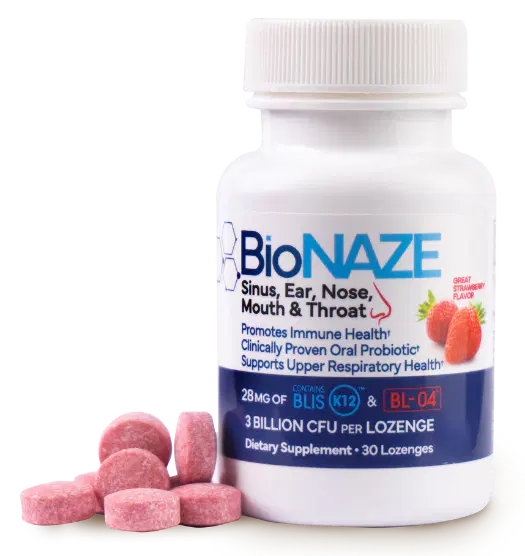
Certain foods may offer temporary sinus relief. But for long-term wellness, daily support matters. BioNaze is designed to complement healthy lifestyle habits. It works by supporting a balanced upper respiratory microbiome as part of your everyday routine.
- Supports upper respiratory wellness: BioNaze helps support the health of your sinus, ear, nose, throat, and oral microbiome. It’s a suitable addition to your daily wellness routine. Use it whether you’re feeling congested or not.
- Includes clinically studied probiotic strains: BioNaze is formulated with two clinically studied probiotic strains, BLIS K12™ (Streptococcus salivarius K12) and BL-04™ (Bifidobacterium Lactis BL-04). These strains have been researched for their function in supporting a healthy upper respiratory microbiome and promoting everyday respiratory wellness.
- Complements healthy nutrition and hydration: BioNaze is not a treatment for sinus disease. Instead, it works alongside a balanced diet, proper hydration, and other healthy lifestyle habits to support overall upper respiratory health.
Looking to support daily respiratory wellness? BioNaze may help. It takes a science-backed approach to maintaining a healthy upper respiratory microbiome. It’s also a great complement to sinus-friendly foods and other healthy habits.

Supporting Sinus Health Through Smart Food Choices
When sinus congestion makes every breath feel like a struggle, simple choices at mealtime can make a difference. Warm soups, spicy foods, ginger, turmeric, garlic, pineapple, citrus fruits, leafy greens, and probiotic foods may help loosen mucus, support hydration, and ease discomfort while your body recovers. They won’t cure a sinus infection, but they can be a helpful part of a broader self-care routine. If symptoms become severe, last longer than expected, or keep coming back, seek guidance from a healthcare provider. For ongoing upper respiratory wellness, BioNaze can complement healthy habits by supporting a balanced upper respiratory microbiome.

This Content Has Been Reviewed For Factual Accuracy
This content has undergone thorough fact-checking by our team of internal experts. Learn more about the meticulous editorial standard for our website here.
Benefit From The Latest Advancements In Probiotic Science With Bionaze
Bionaze is a proprietary blend of probiotics proven to promote ear, nose, and throat health, improve digestion, and support your immune system. The active ingredients BLIS K12, and BL-04 are considered among the best probiotics according to science.
Get 25% Off Your First Order when you use BIO25 at checkout!
ADVERTISEMENT

About The Author
Hi, I’m Corinne Grace, a proud nursing graduate from Riverside College with a flair for writing. I specialize in health and wellness topics, using my educational background to weave informative and attention-grabbing articles that appeal to a wide variety of readers.