How Often Can You Use a Neti Pot Safely? The Complete Guide

Published September 3, 2026
How often can you use a neti pot? Many people can safely use a neti pot daily when congestion or allergy symptoms are active. The right frequency depends on your symptoms, how your nose responds, and your healthcare provider’s advice. Once you feel better, you may cut back to a few times a week or rinse as needed.
A neti pot is a simple way to clear a stuffy nose and flush out mucus, pollen, and other irritants. But more rinsing is not necessarily better. Too little may not provide relief, while too much can leave your nasal passages dry or irritated.
How Often Can You Use a Neti Pot Safely?
For many healthy adults, once-daily rinsing is a reasonable starting point when symptoms are present. Some may benefit from twice-daily rinsing during heavy congestion, while others do well with a few rinses per week. Let your symptoms and nasal comfort guide the routine.
How Often Can You Use a Neti Pot for Congestion or Allergies?
During active congestion or allergy flare-ups, once- or twice-daily rinsing may help relieve symptoms. Rinsing helps clear mucus, pollen, and other irritants from the nasal passages, which can make breathing easier. If two rinses leave your nose feeling dry, reduce the frequency.
Can You Use a Neti Pot Every Day?
Yes. Daily nasal irrigation can be safe for many people, particularly when symptoms are active, and the rinse is prepared and used properly. Some people with chronic sinus symptoms may also be advised to rinse daily. If your nose becomes dry, irritated, or sore, reduce the frequency or take a break.
How Often Should You Use a Neti Pot Once Symptoms Improve?
As symptoms ease, you may not need to rinse every day. Some switch to a few times a week, while others rinse only when symptoms return.
Can You Use a Neti Pot Too Often?
Yes. Although saline rinsing is generally gentle, frequent or improperly prepared rinsing can cause dryness, irritation, discomfort, or nosebleeds, especially if your nasal passages are sensitive.
Signs You May Be Overusing a Neti Pot
Watch for:
- Persistent dryness or a tight, crusty feeling inside the nose
- Burning or stinging during or after a rinse
- Occasional nosebleeds
- Nasal irritation or discomfort that doesn’t settle
What to Do If Frequent Rinsing Causes Irritation
If rinsing stings or dries out your nose, take a break. When you resume, reduce the frequency and ensure you use the correct saline concentration and safe water. A warm solution and gentle flow may also make rinsing more comfortable.

How Often Should You Do a Sinus Rinse for Different Conditions?
There’s no single schedule that works for everyone. Your ideal frequency depends on what you’re trying to relieve.
How Often to Rinse for Seasonal Allergies
During allergy season, once- or twice-daily rinsing may help clear pollen and other allergens from the nasal passages. Rinsing after outdoor exposure may also help if it triggers your symptoms.
How Often to Rinse for a Cold or Temporary Congestion
For a short-term cold or stuffy nose, once- or twice-daily rinsing may help relieve symptoms while active. You can stop or reduce rinsing once symptoms improve.
How Often to Rinse for Chronic Sinus Symptoms
If you have ongoing sinus problems, a healthcare professional may recommend daily rinsing for a longer period. Follow the routine and monitor your nose for dryness or irritation.
How Often to Rinse After Sinus Surgery
After sinus surgery, saline rinsing is often part of recovery, and surgeons may recommend rinsing several times a day initially. Always follow your surgeon’s specific instructions because post-operative care differs from routine nasal rinsing.
What Affects How Often You Should Use a Neti Pot?
Three factors can help determine your ideal rinse frequency.
- Your symptoms and reason for rinsing. An allergy flare requires a different approach than occasional maintenance. If symptoms are worse, you may benefit from rinsing more often until they settle.
- How your nasal passages respond. Everyone responds differently. Some can rinse daily without problems, while others develop dryness after a few days. If your nose feels irritated, reduce your frequency.
- Your doctor’s or device manufacturer’s instructions. When unsure how often to rinse, follow your healthcare provider’s advice and the instructions with your device. This is especially important if you have chronic symptoms, are recovering from sinus surgery, or have a weakened immune system.
How to Use a Neti Pot Safely When Rinsing Regularly
Frequency isn’t the only safety consideration. The water, saline solution, and cleanliness of the device matter just as much.
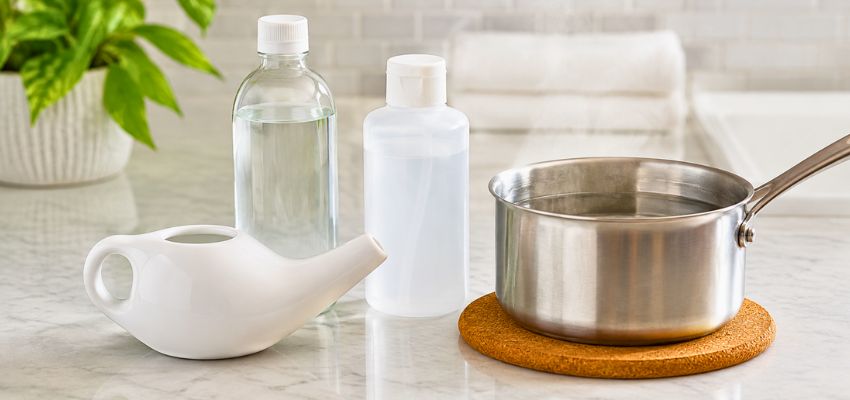
Always Use Distilled, Sterile, or Properly Boiled Water
Never use untreated tap water for nasal rinsing. Water safe to drink may still contain microorganisms harmful to nasal passages. Use distilled or sterile water, or tap water boiled and cooled per public-health guidance.
Although these infections are extremely rare, contaminated water used for nasal rinsing has been linked to serious and sometimes fatal infections.
Use the Correct Saline Solution
Use a pre-made saline packet or follow a reliable recipe, measuring ingredients accurately for a homemade solution. Plain water can sting and irritate nasal passages, so don’t rinse with water alone.
Clean and Dry the Device After Every Use
Clean your neti pot per the manufacturer’s instructions after each use, then dry it completely before storing. Proper cleaning and drying reduce contamination.
Hand Hygiene
Wash and dry your hands before preparing the rinse and handling the device.
When Should You Reduce or Stop Using a Neti Pot?
Sometimes reducing your rinse frequency is better. Pay attention to how your nose responds.
Persistent Dryness, Burning, or Nosebleeds
If these symptoms continue, your nasal passages may be irritated. Take a break, then consider reducing how often you rinse. Persistent or recurring nosebleeds require medical advice.
Symptoms That Worsen Despite Regular Rinsing
If congestion, sinus pressure, or other symptoms worsen, stop rinsing and seek medical advice rather than increasing frequency. Persistent or worsening symptoms may need evaluation by a healthcare provider.
When to Ask a Healthcare Provider About Your Rinse Frequency
Talk with a healthcare provider if symptoms last weeks, repeatedly return, or occur with fever, significant facial pain, or thick discolored nasal discharge. These symptoms may require evaluation for an underlying condition or infection.
If you develop severe headache, fever, confusion, or vomiting after nasal rinsing, seek medical attention immediately.
Frequently Asked Questions
Can I use a neti pot twice a day?
Yes. Twice-daily rinsing may be reasonable during heavy congestion or allergy flare-ups. If your nose becomes dry or irritated, reduce frequency.
Can you use a neti pot three times a day?
Three times a day may be more than necessary for many and could increase dryness or irritation. Higher-frequency rinsing may be recommended during sinus surgery recovery, but follow your surgeon’s instructions.
How often can you do a sinus rinse for allergies?
Once or twice a day may help during allergy season, especially when symptoms are active or after outdoor exposure. Reduce frequency when symptoms settle.
Can using a neti pot too much make congestion worse?
Frequent rinsing can cause nasal irritation and dryness, making your nose feel more uncomfortable or congested. If frequent rinsing worsens symptoms, reduce frequency rather than rinse more often.
How many days in a row can you use a neti pot?
There’s no fixed limit for everyone. Some rinse daily while cold or allergy symptoms remain active without problems. If dryness, irritation, or nosebleeds develop, reduce frequency and consider speaking with a healthcare provider if symptoms persist.
Why Choose BioNaze
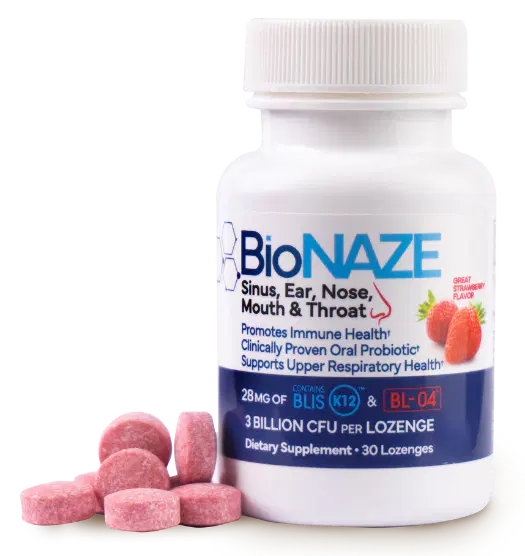
BioNaze is an oral probiotic designed to provide additional support beyond nasal rinsing. It contains two clinically studied strains, BLIS K12™ (Streptococcus salivarius K12) and BL-04™ (Bifidobacterium Lactis BL-04), in a convenient lozenge.
Unlike a neti pot, which flushes mucus, pollen, and other irritants from the nasal passages, BioNaze delivers probiotic strains studied in relation to the oral and upper respiratory microbiome. It may be used alongside nasal rinsing as part of a broader nasal-care routine.
How Often Should You Use a Neti Pot? Key Takeaways
There’s no single frequency that works for everyone. Once-daily rinsing is a reasonable starting point when congestion or allergy symptoms are active. Some may safely rinse daily for longer periods when appropriate. As symptoms improve, you can often scale back to a few times a week or rinse only when needed.
The same safety basics apply regardless of frequency: use distilled, sterile, or properly boiled water; prepare the saline solution correctly; and clean and dry your device after every use. If rinsing causes persistent irritation or your symptoms worsen, reduce frequency and talk with a healthcare provider.
For those looking beyond nasal rinsing for additional oral or respiratory health support, BioNaze may be worth considering as part of a broader routine.

This Content Has Been Reviewed For Factual Accuracy
This content has undergone thorough fact-checking by our team of internal experts. Learn more about the meticulous editorial standard for our website here.
Benefit From The Latest Advancements In Probiotic Science With Bionaze
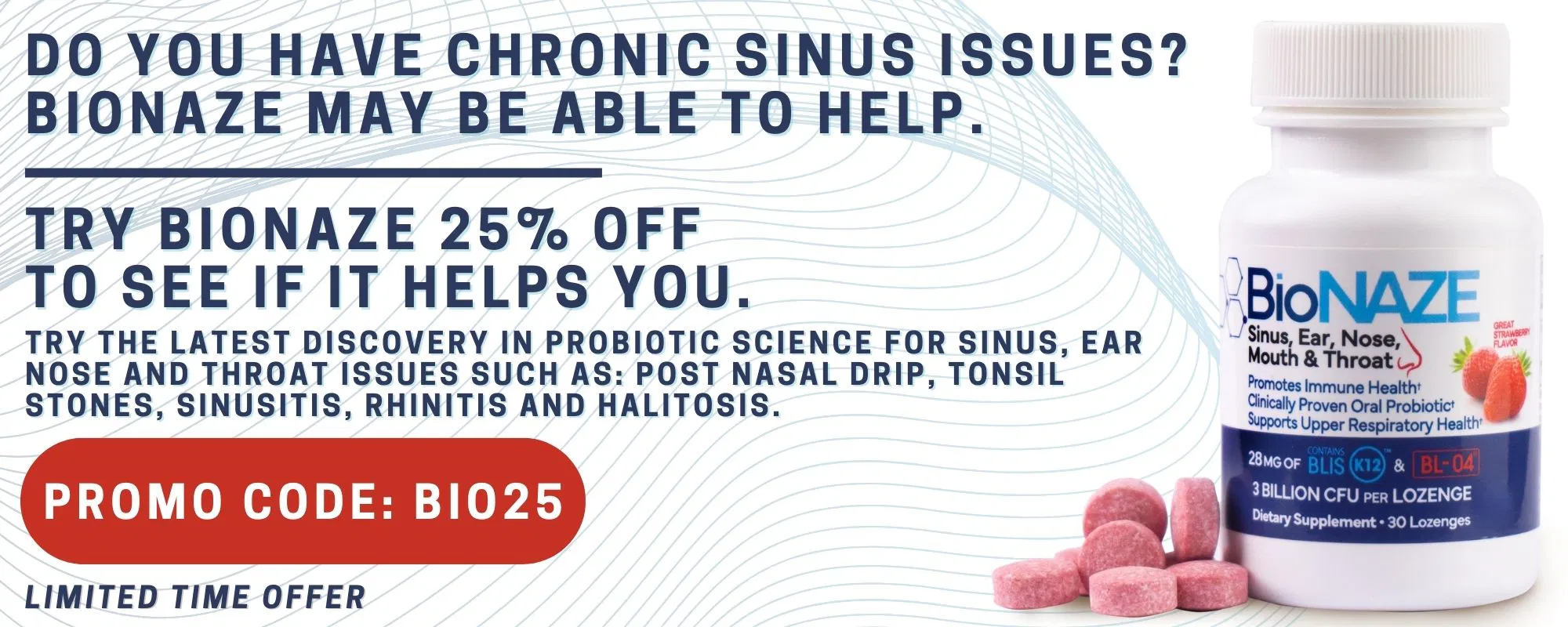
Bionaze is a proprietary blend of probiotics proven to promote ear, nose, and throat health, improve digestion, and support your immune system. The active ingredients BLIS K12, and BL-04 are considered among the best probiotics according to science.
Get 25% Off Your First Order when you use BIO25 at checkout!
ADVERTISEMENT

About The Author
Hi, I’m Corinne Grace, a proud nursing graduate from Riverside College with a flair for writing. I specialize in health and wellness topics, using my educational background to weave informative and attention-grabbing articles that appeal to a wide variety of readers.