How To Stop Protein Farts: What Really Works

Published July 13, 2026
You’re hitting your gym goals and nailing your macros, but there’s one embarrassing problem. If increasing your protein intake has left you with relentless, foul-smelling gas, you’re not alone. “Protein farts” are common, but the bloating and social anxiety they cause can be exhausting. The good news is that many people can reduce protein-related gas with a few simple dietary and lifestyle adjustments. If you want to know how to stop protein farts without sacrificing your gains, you’re in the right place.
In this article, we’ll cover what causes protein farts and whether they’re something to worry about. We’ll also share practical ways to keep your digestion on track without sacrificing your protein goals. Your dignity is safe with us.
What Causes Protein Farts?
Why Protein Can Increase Gas
Pure protein isn’t usually the main culprit for extra gas. However, it can make the gas smell worse. This is because gut bacteria break down sulfur-containing amino acids, like cysteine and methionine, into hydrogen sulfide.
Excess gas usually happens when undigested protein reaches your colon. It can also be caused by ingredients common in high-protein foods and supplements, including lactose, added fiber, sugar, alcohols, and other fermentable carbohydrates. Eating too quickly or swallowing excess air while drinking protein shakes can also contribute to bloating and gas.
Common High-Protein Foods That May Cause Gas
Some of the most common gas-inducing culprits found in high-protein diets include:
- Dairy-based proteins (whey concentrate, casein, milk, cheese, Greek yogurt)
- Legumes and beans (lentils, chickpeas, black beans, soy)
- Cruciferous vegetables
- Eggs
- Protein powders and bars
Are Protein Farts Normal?
Yes. In most cases, protein farts are a harmless side effect of increasing your protein intake. Symptoms may improve as the gut microbiome adapts to dietary changes, although responses vary between individuals. This is especially common if you’ve quickly increased your protein intake. Relying heavily on protein supplements can also trigger them.
Why Do Some People Experience More Gas Than Others?
Not everyone reacts to a higher-protein diet the same way, and that comes down to a few factors:
- Gut microbiome composition: Everyone’s gut microbiome is different, and some bacterial populations may produce more gas when fermenting certain proteins or carbohydrates than others.
- Underlying food sensitivities: Lactose intolerance is extremely common and often gets blamed on “protein” when it’s really the dairy sugars in whey products.
- Digestive enzyme levels: Individual differences in digestion may leave more undigested protein available for gut bacteria to ferment.
- Speed of dietary change: Jumping from a moderate-protein diet to a very high-protein one overnight gives your gut less time to adapt than a gradual increase.
When Protein Farts May Signal a Digestive Issue
In the vast majority of cases, protein-related gas is nothing more than an adjustment period. But sometimes, gas comes with other symptoms. These can include persistent bloating, cramping, diarrhea, or abdominal pain. If that’s the case, it may point to something more specific. This could be lactose intolerance, a food sensitivity, or a digestive condition. Any of these is worth having evaluated.

Are High-Protein Foods Bad for You?
Absolutely not. Occasional extra gas is a minor inconvenience, not a reason to cut protein out of your diet.
Health Benefits of Protein
Protein is an essential macronutrient. It helps maintain muscle and repair tissue. It also plays a crucial part in hormone production, immune function, and keeping you full. Getting enough protein is vital for your overall health. This is especially true for exercise, weight management, and healthy aging.
Why You Shouldn’t Eliminate Protein From Your Diet
Drastically cutting protein to avoid gas isn’t the answer. It can leave you short on a nutrient your body needs daily. Protein is essential for basic function and repair. The smarter move is to identify what’s triggering your symptoms. It could be the protein source, an additive, or your eating habits. Once you know the cause, you can adjust accordingly rather than avoiding protein altogether.
Ways To Stop Protein Farts That Actually Work
The good news is that most causes of protein farts are easy to address with small, sustainable changes.
Manage Your Protein Intake
If you’ve recently increased your protein intake, do so in a gradual manner to allow your digestive system to adjust. Eating an amount that matches your body size, activity level, and goals may also help reduce excess gas.
Add More Fiber to Your Diet
Although fiber can initially increase gas, getting enough supports healthy digestion and regular bowel movements. Increase your fiber intake steadily and drink more fluids to allow your digestive system to adapt.
Drink More Water
Staying hydrated supports healthy digestion and helps fiber move efficiently through your digestive tract. It may also reduce bloating associated with constipation.
Avoid Carbonated Drinks
Carbonated beverages introduce extra gas into your digestive system and can worsen bloating. Choosing still water instead may help reduce excess gas.
Chew More Slowly
Eating too quickly or swallowing excess air while drinking or talking can increase gas. Slow down, chew thoroughly, and sip protein shakes rather than gulping them.
Stop Chewing Gum
Along the same lines, chewing gum causes you to swallow air throughout the day, even outside mealtimes. Many sugar-free gums also contain sugar alcohols like sorbitol, which are known gas triggers. Cutting gum out or switching to short chewing sessions without sugar alcohols can help.
Take Probiotics
Gas and bloating can sometimes be linked to changes in your gut microbiome, especially after increasing protein intake. Certain probiotic strains have been studied for supporting digestive comfort and maintaining a balanced gut microbiome. Including foods packed with probiotics (such as yogurt, kefir, and sauerkraut) or a clinically studied probiotic supplement may help support digestive health as your body adjusts to a higher-protein diet.
Choose Easier-To-Digest Protein Sources
Not all proteins are considered equal when it comes to digestibility. If dairy-based whey concentrate is giving you trouble, consider switching to:
- Whey protein isolate, which contains substantially less lactose than concentrate
- Plant-based options like pea or soy protein, if dairy is the issue
- Egg or collagen protein, which some people tolerate better than dairy-based powders
Check labels for added sugar alcohols (sorbitol, mannitol, xylitol) and artificial thickeners, common hidden gas triggers in protein powders and bars.
Quit Smoking
Smoking increases the amount of air you swallow, which can contribute to excess gas. Quitting benefits both your digestive and overall health.

When Should You See a Doctor?
For most people, protein farts are a temporary nuisance that improves with the adjustments above. But persistent or severe symptoms deserve a second look from a healthcare provider.
Symptoms That May Require Medical Evaluation
Consider making an appointment if you experience:
- Gas accompanied by significant bloating, cramping, or abdominal pain
- Chronic diarrhea or changes in bowel habits
- Symptoms that don’t improve despite dietary adjustments
- Unexplained weight loss alongside digestive symptoms
- Signs that point to a specific intolerance, such as consistent symptoms after consuming dairy
A healthcare provider can identify underlying digestive conditions and recommend appropriate treatment or dietary changes while helping you maintain adequate protein intake.
Why Choose BioNaze
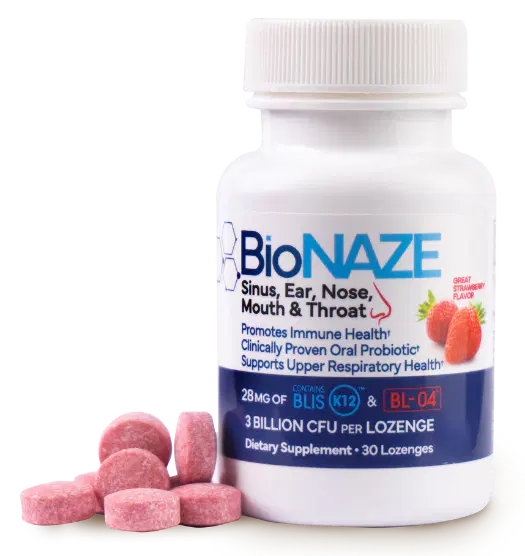
Diet and lifestyle changes can help reduce protein farts. However, supporting your gut microbiome offers extra benefits. BioNaze combines two clinically studied probiotic strains. These are formulated to support a balanced microbiome, immune health, and ear, nose, and throat wellness. By keeping your gut balanced, BioNaze complements a high-protein diet and a healthy daily routine.
- BLIS K12™ (Streptococcus salivarius K12): Helps support a healthy oral microbiome and promotes ear, nose, and throat health.
- BL-04™ (Bifidobacterium lactis BL-04): Helps support digestive and immune health by promoting a balanced gut microbiome.
Together, these clinically studied probiotic strains help support a balanced microbiome, digestive health, and overall wellness. When blended with healthy dietary and lifestyle practices, BioNaze is a convenient addition to your daily routine.
Frequently Asked Questions
Why do protein farts smell so bad?
The smell comes down to sulfur. Protein sources rich in sulfur-containing amino acids, like eggs, meat, and dairy, get broken down by gut bacteria into hydrogen sulfide gas, which is the same compound liable for the “rotten egg” odor. In general, the more sulfur-containing compounds available for gut bacteria to break down, the stronger the odor may be.
Can protein supplements cause gas?
Yes, and often more so than whole-food protein sources. Many protein powders contain lactose, especially whey concentrate. They may also include added fiber or sugar alcohols like sorbitol. These components can cause gas and bloating in some people. Try switching to a whey isolate or a different protein source. This can help you figure out whether the powder itself, or an additive in it, is the culprit.
How can I reduce protein farts without eating less protein?
If cutting back isn’t your goal, focus on the specific trigger. Gradual changes, smarter food choices, and attention to additives can help you keep protein intake steady while reducing gas. If symptoms continue or get worse, speak with a healthcare provider.
Are protein farts a sign of poor digestion?
Some gas after increasing protein intake is normal. It’s your body adjusting, not a sign of poor digestion. That said, if gas is frequent or painful, it’s worth paying attention. Bloating and irregular bowel movements are also red flags. These symptoms may point to an imbalance in gut bacteria, low digestive enzyme levels, or a food intolerance.
Which protein sources are least likely to cause gas?
Whey protein isolate, egg white protein, and collagen protein are easier to digest. This is because they contain less lactose and fermentable fiber than whey concentrate or legume-based plant proteins. Individual tolerance varies, so it may take some trial and error to find what works best for you.

Keep Your Protein Goals Without the Gas
Protein farts are a common, usually harmless side effect of eating more protein, driven less by protein itself and more by lactose, fiber, sugar alcohols, and swallowed air. If you’re trying to figure out how to stop protein farts, you don’t need to cut protein out of your diet entirely. A few small adjustments can often help reduce gas without sacrificing your nutrition goals. Choosing a protein source that’s easier for your body to digest is one of the most effective changes you can make to reduce gas and bloating.
If your symptoms are persistent, painful, or paired with other digestive issues, don’t try to push through them alone. Consult a healthcare provider to dismiss any potential underlying condition and get a plan tailored to your body.
To boost your digestive wellness, consider adding BioNaze to your daily routine. Formulated with clinically studied probiotic strains, BioNaze helps support a balanced microbiome, digestive wellness, immune health, and ear, nose, and throat wellness. It can be a convenient addition to your daily wellness routine while maintaining a high-protein lifestyle.

This Content Has Been Reviewed For Factual Accuracy
This content has undergone thorough fact-checking by our team of internal experts. Learn more about the meticulous editorial standard for our website here.
Benefit From The Latest Advancements In Probiotic Science With Bionaze
Bionaze is a proprietary blend of probiotics proven to promote ear, nose, and throat health, improve digestion, and support your immune system. The active ingredients BLIS K12, and BL-04 are considered among the best probiotics according to science.
Get 25% Off Your First Order when you use BIO25 at checkout!
ADVERTISEMENT

About The Author
Hi, I’m Corinne Grace, a proud nursing graduate from Riverside College with a flair for writing. I specialize in health and wellness topics, using my educational background to weave informative and attention-grabbing articles that appeal to a wide variety of readers.