Is Periodontal Disease Contagious? The Truth Explained

Published May 26, 2026
Ever wondered if sharing a fork or a quick kiss could mean sharing more than just affection? With nearly half of US adults experiencing some form of gum disease, it’s natural to ask, “Is periodontal disease contagious?” If you’ve ever noticed blood when you brush, you might worry about your health and whether you could pass something on to your loved ones. The bacteria responsible for gum disease may spread through saliva. But whether you actually develop periodontal disease is another story. It often depends on other factors, like your oral hygiene, immune system, and lifestyle habits.
In this article, we’ll explore the stages of gum disease and how oral bacteria spread. We’ll also cover the symptoms you should never ignore. Plus, we’ll discuss the best ways to protect your long-term oral health.
What Is Periodontal Disease?
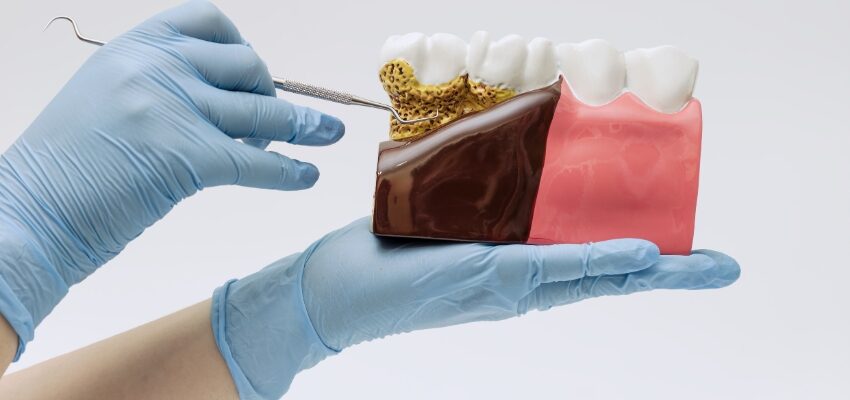
Periodontal disease is characterized by the inflammation and infection of the gums and bone responsible for your teeth. It often starts with plaque buildup from poor oral hygiene. However, genetics and your immune system can also play a role.
Gingivitis, the primary phase of gum disease, causes red, swollen, and bleeding gums. It may often be reversed with proper oral care because it primarily affects surface tissue. If not promptly managed, gingivitis can progress to periodontitis. This is a more serious phase of gum disease. The infection spreads beneath the gumline and disrupts the supporting tissues and bone. This can result in receding gums, loose teeth, and tooth loss.
Gum disease is a gradual process. It begins once plaque accumulates on the teeth and along the gumline, causing bacteria to irritate the gums. In the long run, this inflammation is likely to cause pulling away of the gums from the teeth, forming pockets that trap more bacteria. If not treated, the infection can worsen, leading to advanced periodontitis and bone loss.
Why Early Treatment Matters For Oral Health
Early treatment may help reduce the risk of long-term damage to the gums and jawbone. Addressing gingivitis promptly may help reverse the condition before permanent complications develop.
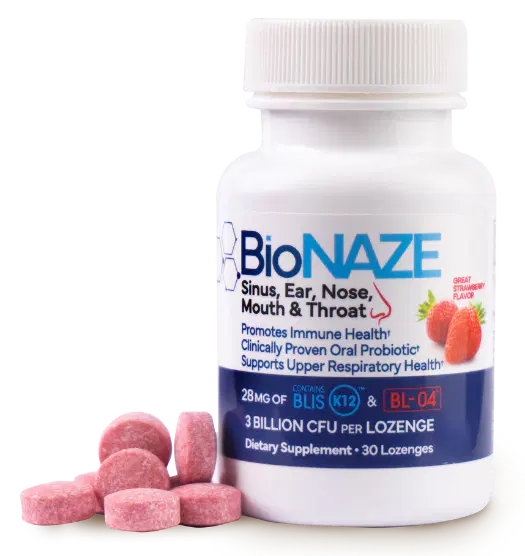
Alongside brushing, flossing, and professional dental care, oral probiotics like BioNaze may help support a healthier oral microbiome. Its patented probiotic strains are formulated to support oral microbial balance and overall oral wellness.
Is Periodontal Disease Contagious?
Periodontal disease bacteria can spread through saliva. However, developing the disease depends on individual risk factors.
Can Gum Disease Spread Through Saliva?
Bacteria associated with gum disease may spread through saliva. When saliva is shared, oral bacteria may transfer between people. Repeated exposure can increase the chance of sharing these bacteria. This is especially true for people with other risk factors.
Is Gum Disease Contagious Through Kissing Or Sharing Utensils?
Activities involving frequent saliva exchange may increase the likelihood of bacterial transmission. Kissing, sharing utensils, and drinking from the same cup may spread harmful oral bacteria over time. Casual contact is generally considered lower risk for bacterial transmission.
Is Periodontitis Contagious Between Family Members Or Partners?
Partners and family members are more likely to share oral bacteria because of close daily contact. If one person has untreated periodontitis, others in the household may face a greater risk of developing gum issues.
The Difference Between Contagious Bacteria And Developing The Disease
Bacteria can spread through saliva. However, this doesn’t guarantee the development of periodontal disease. Consistent oral hygiene can help. Regular dental care and a healthy immune system also reduce the risk of infection.
What Causes Periodontal Disease?
Several factors likely contribute to the development of gum disease.
Plaque And Bacteria Build-Up
The chief cause of periodontal disease is plaque buildup along the teeth and gums. When plaque is not eliminated via brushing and flossing, bacteria irritate the gums and trigger inflammation. Over time, plaque solidifies into tartar, which requires professional dental cleaning to remove.
Poor Oral Hygiene Habits
Inadequate brushing and flossing allow plaque and bacteria to accumulate. Skipping routine dental checkups may also make it harder to notice early signs of gum disease before they progress.
Smoking, Diabetes, And Other Risk Factors
Smoking weakens your immune system by making it difficult for the body to deal with gum infections and heal. Diabetes increases gum infection risk because high blood sugar affects your body’s infection-fighting ability.
Additional risk factors include:
- Autoimmune ailments such as lupus, Crohn’s disease, and scleroderma
- Hormonal changes during puberty, pregnancy, and menopause
- Chronic stress, which may weaken the immune response
- Heart disease, which has been associated with poor gum health
Genetics And Immune System Factors
Genetics can affect your body’s response to oral bacteria, meaning people with a family history of gum disease may have greater immune sensitivity or vulnerability, increasing their risk even with good care.
Symptoms Of Periodontal Disease You Should Never Ignore
Gum disease is often painless in its primary stages, making it easy to overlook warning signs.
Common Signs And Symptoms
- Reddish, dark red, or purplish gums
- Bleeding while brushing or flossing
- Swollen, tender, or sore gums
- Persistent bad breath (halitosis)
- Unpleasant taste in the mouth
- Pain when chewing
- Recession of the gums (pulling away from the teeth)
- Alterations in the way teeth fit together when biting
- Loose or shifting teeth
Why Early Symptoms Should Never Be Ignored
Bleeding gums or chronic bad breath may indicate the initial stages of gum disease. Seeking treatment promptly can help prevent more severe complications. It also helps protect your long-term oral health.
How To Prevent Periodontal Disease And Stop Bacteria From Spreading
You can minimize the likelihood of ending up with gum disease by following healthy daily habits.
Daily Brushing And Flossing
Brush your teeth at least two times a day with fluoride toothpaste. Floss every day. This eliminates plaque and food particles from between your teeth.
Regular Dental Cleanings And Checkups
Visit your dentist at least once or twice a year. Professional cleanings help reduce tartar buildup and may lower the risk of gum disease progression.
Avoiding Shared Toothbrushes And Utensils
Never share toothbrushes, cups, or eating utensils. Keeping your personal oral hygiene items separate reduces the transmission of harmful saliva-borne bacteria.
Healthy Lifestyle Habits That Protect Your Gums
Avoid smoking and limit tobacco use. Follow a well-balanced diet to support your immune system, and use an antibacterial mouthwash to keep oral bacteria levels low.
How Dentists Treat Periodontal Disease
If you develop gum disease, several treatments may help handle the condition and improve oral health.
Professional Deep Cleaning And Scaling
For early stages, dentists use scaling and root planing. This gets rid of plaque and tartar from below the gumline and helps reduce bacterial buildup.
Medications And Antibiotic Treatments
Your dentist may prescribe specific medications. These can include antimicrobial mouth rinses, oral antibiotics, or topical gels. These treatments help control bacteria in your gum pockets.
Surgical Treatments For Advanced Periodontitis
Severe cases require surgical intervention. Pocket reduction surgery clears deep tartar. Bone and gum grafts can also help. These procedures restore supporting tissues and encourage bone repair.
When To See A Dentist
Do not wait for pain to schedule a dental visit.
Warning Signs That Require Immediate Attention
See a dentist immediately if you notice any of the following warning signs:
- Bleeding gums
- Loose teeth
- Pus around your gumline
- Severe pain while chewing
How Early Diagnosis Improves Treatment Outcomes
Detecting gum disease early allows for conservative, non-surgical treatments. It helps preserve natural teeth and may reduce complications associated with advanced gum disease.
Frequently Asked Questions
Who is most at risk of developing periodontitis?
People with poor oral hygiene, smoking habits, diabetes, or a family history of gum disease are generally at higher risk.
Can oral probiotics help support gum health?
Oral probiotics can help create a healthier oral microbiome. They work by introducing beneficial bacteria into your mouth. Products like BioNaze may support fresher breath, healthier gums, and better upper respiratory wellness when used with regular dental care.
Is periodontitis contagious or genetic?
Both factors play a role. The bacteria can spread between people. Genetics influences how the immune system responds to those bacteria.
Can I get gum disease from someone I live with?
Yes. Maintaining strong oral hygiene habits and limiting saliva-sharing activities may reduce your risk.
Can gum disease go away on its own?
Mild gingivitis might get better with improved oral hygiene. However, more advanced gum disease needs professional dental care.
What is the fastest way to treat periodontal disease?
Professional cleaning is an important early treatment. Consistent oral hygiene at home is also necessary. This combination is often the first step in treating periodontal disease.
Can periodontal disease be reversed?
Gingivitis is often reversible with prompt treatment and consistent oral hygiene. Once periodontitis causes bone loss, the condition cannot be fully reversed. Instead, it is managed to prevent further damage.
Why Choose BioNaze?
BioNaze is an oral probiotic designed to support a healthy harmony of bacteria in the mouth and upper respiratory tract. The slow-dissolving lozenge delivers probiotics directly to your mouth and throat. This supports your oral microbial balance and daily oral care.
It contains two probiotic strains that have been studied for oral and upper respiratory support:
- BLIS K12™ (Streptococcus salivarius K12) – Formulated to support oral and upper respiratory wellness while supporting oral microbial balance as part of daily oral care.
- BL-04™ (Bifidobacterium lactis BL-04) – Formulated to support microbial balance and daily oral care.
Additional benefits
- Slow-dissolving lozenge for targeted oral support
- Natural strawberry flavor
- Approximately 3 billion CFU per lozenge
- Formulated for oral and upper respiratory probiotic support
BioNaze is designed to support oral wellness and help maintain a healthy oral microbial balance.

Healthy Habits Matter: Preventing The Spread Of Gum Disease
So, is periodontal disease contagious? While the bacteria that cause it can be spread through saliva, this doesn’t automatically lead to gum disease. Maintaining good oral hygiene is an important way to reduce your risk. This includes daily brushing, flossing, and regular dental check-ups. These habits can help manage bacterial buildup. They can also minimize the risk of long-term gum damage.
For extra oral health support, consider adding BioNaze to your daily routine. Its probiotic formula is designed to support oral and upper respiratory microbial balance as part of a daily wellness routine.

This Content Has Been Reviewed For Factual Accuracy
This content has undergone thorough fact-checking by our team of internal experts. Learn more about the meticulous editorial standard for our website here.
Benefit From The Latest Advancements In Probiotic Science With Bionaze
Bionaze is a proprietary blend of probiotics proven to promote ear, nose, and throat health, improve digestion, and support your immune system. The active ingredients BLIS K12, and BL-04 are considered among the best probiotics according to science.
Get 25% Off Your First Order when you use BIO25 at checkout!
ADVERTISEMENT

About The Author
Hi, I’m Corinne Grace, a proud nursing graduate from Riverside College with a flair for writing. I specialize in health and wellness topics, using my educational background to weave informative and attention-grabbing articles that appeal to a wide variety of readers.