Bifidus: How It May Support Digestive Health
Published October 20, 2026
Your digestive system is home to a community of microorganisms that interact with food and help shape the intestinal environment. Among them are bifidobacteria, a group of bacteria studied for their role in gut health.
Bifidus is a common name for bacteria in the Bifidobacterium genus. Some occur naturally in the intestines, while selected strains are added to fermented foods and probiotic supplements. Their effects depend on the specific strain, amount consumed, and health outcome studied.
Here’s what science says about bifidus, how these bacteria work, where to find them, and what to consider before choosing a probiotic.
What Is Bifidus and How Does It Work?
Bifidus refers to bacteria belonging to the genus Bifidobacterium. These microorganisms are part of the gut microbiome, the community of bacteria and other microbes thriving in the digestive tract.
Bifidobacteria use certain carbohydrates and interact with other intestinal microbes. Some strains are also used as probiotics. Probiotics are live microorganisms that contribute to better health when taken in adequate amounts.
Calling a bacterium a probiotic doesn’t mean every product containing it will improve digestion. Benefits must be demonstrated for the particular strain and intended use.
What Are Bifidobacteria? Understanding the Scientific Name
Bifidobacterium is the scientific genus name. Bifidobacteria is the plural term for members of this group, while bifidus is a familiar name used in food and probiotic marketing.
The genus includes species such as:
- Bifidobacterium bifidum
- Bifidobacterium breve
- Bifidobacterium longum
- Bifidobacterium animalis
Strains within a species can differ biologically, so findings about one strain may not apply to another.
When comparing probiotics, look beyond the genus name. The species and strain identify the microorganism in a product and whether research has studied that specific strain.
Where Bifidobacteria Live in the Digestive System
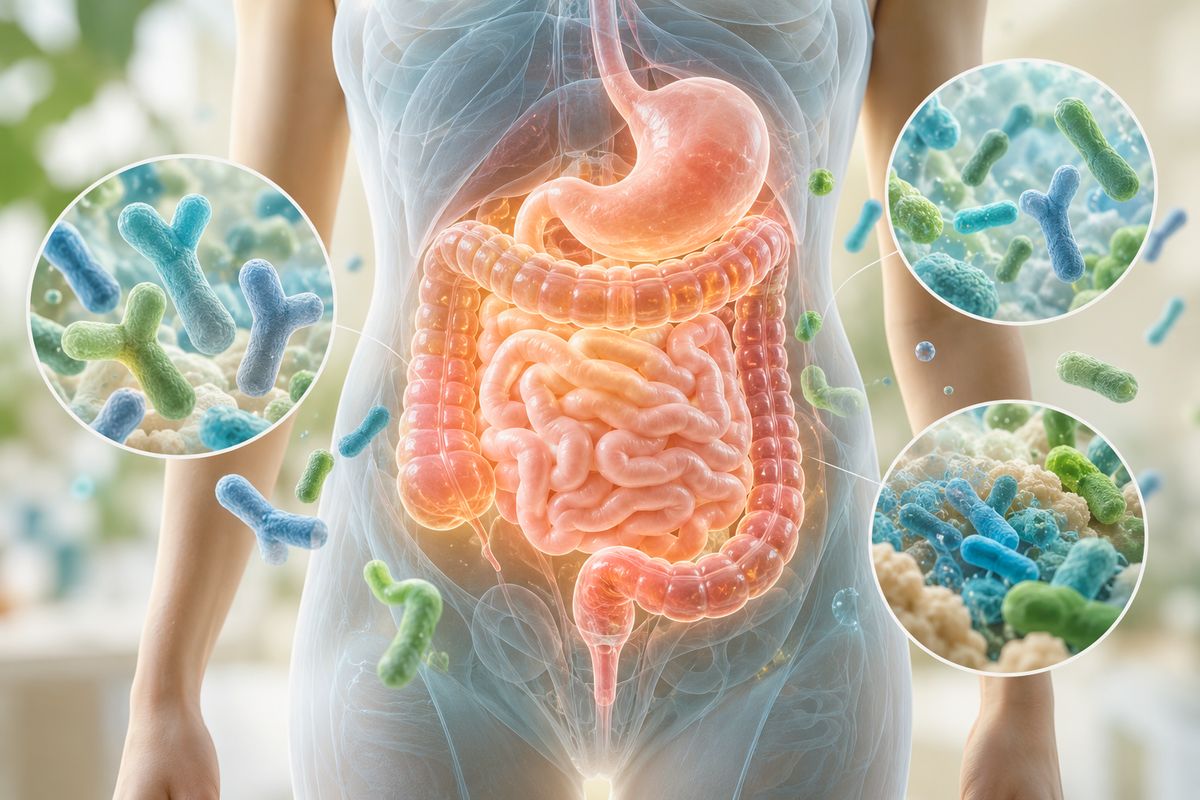
Bifidobacteria are found in the intestines, where they interact with dietary carbohydrates and other microorganisms. Their abundance varies between people and changes with age, diet, medication use, and other factors.
Certain strains are also added to fermented foods, including some yogurts. In these products, manufacturers use selected live cultures during production.
Consuming bifidobacteria doesn’t guarantee they’ll permanently establish in the gut. Survival during digestion and continued activity depend on the strain and product. A probiotic’s presence in food or supplements alone doesn’t establish a health benefit.
How Bifidus Supports Digestive Health
Bifidobacteria ferment carbohydrates in the gut. They also interact with other intestinal microorganisms, which adds to the gut’s microbial activity. These processes help shape the environment in which digestion takes place.
These mechanisms are scientifically relevant but don’t prove that a specific probiotic prevents or treats a digestive condition.
How Bifidobacteria Support Gut Microbiome Balance
The gut microbiome is an ecosystem. Bifidobacteria are one part of it, interacting with other microbes and with substances that enter the digestive tract.
Some strains compete with other microorganisms for nutrients, while others produce fermentation products used by different gut bacteria. These interactions influence microbial activity, but effects vary by strain and intestinal conditions.
A balanced microbiome doesn’t simply mean having more bifidobacteria. Its composition and function are influenced by many factors such as diet, health, and medication use.
When choosing a probiotic, consider the health outcome research supports. Don’t assume raising one group of bacteria is always beneficial.
How Bifidobacteria Ferment Fiber and Produce Beneficial Metabolites
Some bifidobacteria ferment carbohydrates not fully digested in the small intestine. Certain dietary fibers and other carbohydrates reach the colon, where gut microorganisms use them.
Bifidobacterial fermentation produces acetate and lactate. Other gut microbes use these compounds in their metabolic processes and sometimes produce substances like butyrate. This cooperation is why researchers study the gut as a community, not isolated species.
A varied diet containing fiber-rich foods supplies carbohydrates for intestinal microbes. Oats, beans, lentils, fruits, vegetables, nuts, and whole grains are practical options.
If your diet is low in fiber, increase it gradually. A sudden jump can cause gas or bloating, especially in people sensitive to fermentable carbohydrates.
What Research Says About Bifidus and Digestive Regularity
Researchers have studied specific bifidobacterial strains and probiotic combinations for their effects on bowel habits and digestive symptoms. Findings vary by strain, formulation, population, and outcome.
Some studies report improvements in digestive symptoms, but evidence doesn’t establish that bifidus supplements reliably improve bowel regularity for everyone. Results from one product cannot be applied to another.
A probiotic studied for one digestive complaint may not be appropriate for constipation or other conditions. Check whether research examines the exact strain and outcome relevant to your needs.
The NIH Office of Dietary Supplements’ probiotic fact sheet explains why probiotic effects depend on the microorganisms used and the evidence available for them.

What Are the Potential Benefits of Bifidus?
Bifidobacteria are studied for their roles in carbohydrate fermentation, microbial interactions, and digestive function. Whether consuming a particular strain produces a meaningful benefit in people is a separate question.
Bifidus and Digestive Comfort
Bloating, gas, and abdominal discomfort have several causes. Researchers have investigated probiotics, including some bifidobacterial strains, to see if they help with digestive symptoms.
The evidence is mixed. Some probiotic formulations show promise for certain irritable bowel syndrome (IBS) symptoms. However, research has not shown that every bifidus product relieves bloating or abdominal discomfort.
The National Center for Complementary and Integrative Health explains the limitations of the evidence on probiotics for IBS. Findings for a particular strain or formulation shouldn’t be generalized to all probiotic products.
Probiotics may cause temporary gas or bloating. If digestive symptoms persist or interfere with daily activities, seek medical advice rather than relying on supplements alone.
Bifidus and Bowel Regularity
Bowel habits are affected by fiber intake, hydration, physical activity, intestinal function, and individual health conditions.
Certain bifidobacterial strains have been studied for effects on stool frequency or consistency. However, this doesn’t establish that bifidus supplements consistently relieve constipation.
For everyday bowel health, focus on adequate fiber, fluids, and regular movement. Considering a probiotic for persistent constipation? Ask a health professional if evidence supports the specific strain and product you have in mind.
Where Can You Get Bifidus?
Bifidobacteria occur naturally in the intestines and are also added to selected foods and supplements. The product label can help you determine whether a food contains these bacteria.
Yogurt and Other Foods Containing Bifidobacteria
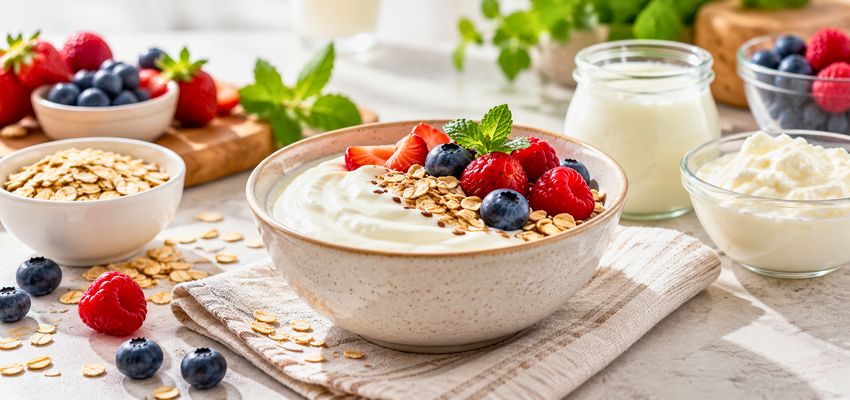
Some yogurts and fermented dairy products contain added bifidobacteria. However, not every fermented food contains this genus, and fermentation alone doesn’t prove a product contains live cultures with demonstrated probiotic benefits.
Traditional yogurt cultures commonly include Streptococcus thermophilus and Lactobacillus delbrueckii subsp. bulgaricus. Manufacturers may add bifidobacteria as additional cultures.
Look for bacterial names on the label. If you avoid dairy, check whether a plant-based fermented product specifically lists added bifidobacteria.
Fiber-rich foods such as legumes, oats, fruits, and vegetables support gut microorganisms. They don’t necessarily provide bifidobacteria directly but supply carbohydrates some intestinal microbes use.
How to Identify Bifidobacteria in Probiotic Products
When comparing probiotic foods or supplements, check the label for:
- Genus, species, and strain: These identify the microorganism more precisely than a general term like “bifidus.”
- CFU count: Colony-forming units indicate viable microorganisms. A higher count doesn’t mean a product will provide greater benefits.
- Expiration date and CFU guarantee: Check whether the stated amount is guaranteed through expiration or reflects the count at manufacture.
- Storage instructions: Follow the product’s instructions to help maintain viability.
- Evidence for the intended use: Look for research on the specific strain and the outcome you want to address.
These details are more useful than choosing a product based only on a high CFU count or a long list of bacterial strains. The NIH Office of Dietary Supplements’ probiotic consumer fact sheet offers additional guidance on reading labels and selecting products.
Bifidus Probiotics: What to Know Before Taking Supplements
A probiotic supplement may be appropriate for some people but isn’t necessary for everyone. Consider your health goal, evidence for the strain, and product labeling before starting one.
How to Choose a Bifidus Probiotic
Start with the reason you want a probiotic. A product studied for one digestive outcome may not help with another.
Pick products that list their strains and provide clear details on dosage, storage, and viable microorganism counts. Look for evidence that fits the specific product and intended use. Don’t rely on general claims about beneficial bacteria.
If your diet includes a variety of fiber-rich foods and fermented products, you may not need a supplement. A health professional can help decide if a probiotic is right for you, especially if you have persistent symptoms, an underlying condition, or take medication.
Potential Side Effects and Safety Considerations
Many healthy people tolerate probiotics well, but some may experience gas or mild digestive symptoms. Safety evidence varies by product, and long-term data are limited for some strains and uses.
People who are seriously ill or have weakened immune systems should consult a health professional before taking probiotics. Serious complications, including infections, have been reported in some high-risk populations.
Don’t use probiotics as a substitute for prescribed treatment. Seek medical advice for persistent symptoms, blood in stool, unexplained weight loss, or intense abdominal pain.
For more information, see the NCCIH overview of probiotic usefulness and safety.
Why Choose BioNaze
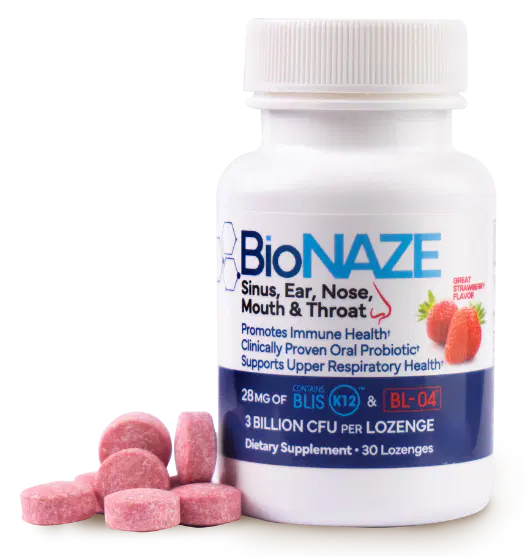
Choosing a probiotic starts with understanding its strains, intended benefits, and supporting evidence. BioNaze combines two identified probiotic strains, BLIS K12™ (Streptococcus salivarius K12) and BL-04™ (Bifidobacterium Lactis BL-04), in an oral lozenge designed for oral and upper respiratory wellness.
BLIS K12™ is Streptococcus salivarius K12, while BL-04™ is Bifidobacterium lactis BL-04. Although BL-04 belongs to the bifidobacteria group discussed here, probiotic effects vary by strain, formulation, and intended use. Research on bifidobacteria in general doesn’t establish the same benefits for every product containing these microorganisms.
If you’re exploring probiotics for oral and upper respiratory wellness, visit BioNaze to learn more about its formulation and probiotic strains. For digestive health, look for a probiotic with evidence supporting its use for your specific concern.
Frequently Asked Questions
Is bifidus the same as bifidobacterium?
Bifidus is a common name for bacteria in the genus Bifidobacterium. The genus includes multiple species and strains, which can have different characteristics and effects.
How long does bifidus take to affect digestion?
There’s no universal timeline. Effects depend on strain, dose, product, and outcome studied. Follow product guidance and consult a health professional if symptoms persist.
Can bifidus help with bloating and gas?
Some probiotic formulations have been studied for digestive symptoms, including bloating, but results are mixed. Bifidus products don’t consistently relieve gas, and some probiotics may temporarily increase it.
Does bifidus survive stomach acid?
Survival through the digestive tract varies by strain and product formulation. Even when a strain survives digestion, that alone doesn’t prove a health benefit.
Can you get enough bifidus from food alone?
Some foods contain added live bifidobacteria, but whether you need a supplement depends on your diet and health goals. A varied diet can support gut health without everyone needing probiotics.
Is it safe to take bifidus probiotics every day?
Daily use may suit some products and individuals, but benefits and safety depend on strain, dose, and health circumstances. Follow the label and consult a health professional if you have a serious condition or weakened immune system.
Supporting Digestive Health With Bifidus
Bifidus plays a role in the gut microbiome, but its benefits depend on the specific strain and available evidence. A varied, fiber-rich diet supports gut health, while careful probiotic selection helps you make informed decisions about supplementation.
If you’re exploring probiotics, visit BioNaze to learn about its specific strains and their intended uses. For persistent digestive symptoms, consult a qualified health professional.

This Content Has Been Reviewed For Factual Accuracy
This content has undergone thorough fact-checking by our team of internal experts. Learn more about the meticulous editorial standard for our website here.
Benefit From The Latest Advancements In Probiotic Science With Bionaze
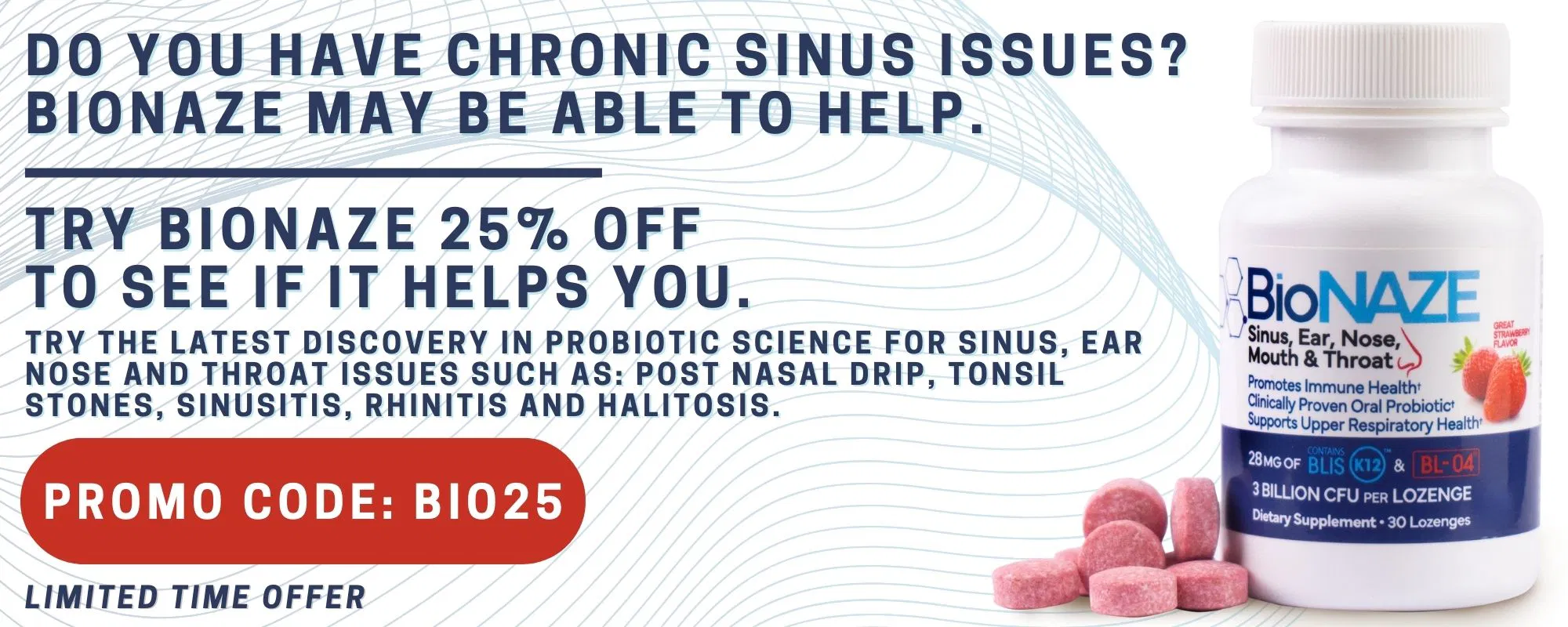
Bionaze is a proprietary blend of probiotics proven to promote ear, nose, and throat health, improve digestion, and support your immune system. The active ingredients BLIS K12, and BL-04 are considered among the best probiotics according to science.
Get 25% Off Your First Order when you use BIO25 at checkout!
ADVERTISEMENT

About The Author
Hi, I’m Corinne Grace, a proud nursing graduate from Riverside College with a flair for writing. I specialize in health and wellness topics, using my educational background to weave informative and attention-grabbing articles that appeal to a wide variety of readers.