The Science Behind Bifidobacterium Lactis BL-04™
One of BioNaze’s active ingredients
Your Guide To Bifidobacterium Lactis BL-04™
Your immune system protects your body from harmful microorganisms. But did you know your gut also plays a role? The gut microbiome supports normal immune function.
Emerging research suggests the microbiome contributes to immune health. This delicate ecosystem is a diverse community of microorganisms. When it becomes imbalanced, it may influence the immune system’s response. Studies highlight the potential role of probiotics in helping maintain this microbial balance. One such probiotic is Bifidobacterium lactis BL-04™, which can help support normal immune function.
Probiotics are often called “beneficial bacteria.” They are gaining attention for their ability to help support a healthy microbiome. These microorganisms may help maintain microbial balance. This can promote digestive wellness and support immune health.
One of the most studied probiotic strains is Bifidobacterium lactis BL-04™. Research suggests it may support digestive and immune health. Studies have explored its effects on immune markers, respiratory wellness, and microbiome balance. It’s important to note that current evidence does not establish that BL-04™ prevents, treats, or cures any disease. Learn more about the top scientifically backed probiotics here.
Read The Scientific Studies Read Studies Done On The BL-04 Probiotic Strain
What Is Bifidobacterium Lactis BL-04™?
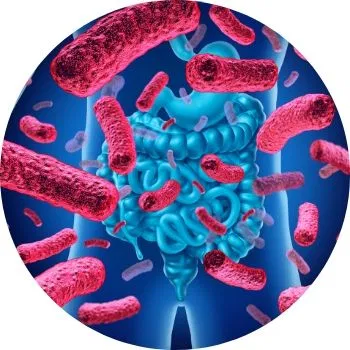
Bifidobacterium lactis BL-04™ is a probiotic strain that naturally lives in the human intestinal tract. It’s an anaerobic, rod-shaped microorganism studied for several potential health benefits, including:
- Supporting immune function
- Promoting digestive health
- Helping maintain gut balance during antibiotic use
The BL-04™ strain occurs naturally in the human body and is also found in certain foods and dietary supplements. Available evidence supports its safety when consumed as directed in healthy individuals.
What Research Suggests About Bifidobacterium Lactis BL-04™
Like other probiotics, Bifidobacterium lactis BL-04™ has been researched for several potential uses. Most studies have examined its effect on the gut microbiome and immune system. However, more research is needed to confirm the clinical importance of these findings.
Survival Under Simulated Digestive Conditions
Laboratory and simulated digestive studies have assessed the ability of the BL-04 strain to survive in acidic environments. The results indicate that the strain can likely survive passage through the upper gastrointestinal tract, though its viability may depend on formulation, dosage, and individual factors. Further human research is necessary to confirm these findings in real-world settings.
Immune Responses During Viral Challenges
Laboratory studies have investigated how Bifidobacterium lactis BL-04™ interacts with immune cells during viral challenges. A 2024 study observed that the strain influenced cytokine production and immune cell activity, specifically the macrophages and dendritic cells. These findings suggest the strain may influence specific immune pathways under experimental conditions. However, the same study found no significant effects on rhinovirus replication or cytokine production in fibroblasts. This suggests that the immune responses might be limited to specific cell types.
A 2023 study on mice with influenza A virus examined the effects of supplementing with Bifidobacterium animalis subsp. lactis BL-04™. The researchers noted changes in the mice’s gut microbiota and immune responses. These findings offer insight into potential biological mechanisms. However, they do not confirm effectiveness in humans. Further clinical research is necessary to understand the effects on human health.
Research Into Seasonal Allergy Responses
Researchers have investigated whether probiotics may influence the immune responses associated with seasonal allergies. A 2009 study on children with birch pollen allergies gave participants a combination of Lactobacillus acidophilus and Bifidobacterium lactis BL-04™ for four months before the pollen season began.
Compared to the placebo group, the probiotic group reported fewer symptoms. These included nasal congestion, a runny nose, and watery eyes. Researchers also observed lower levels of eosinophils. This is a type of white blood cell linked to allergic inflammation. These findings are specific to this study. They should not be generalized to all individuals with seasonal allergies.
Studies Exploring Vaccine-Related Immune Markers
A study of 83 participants explored the effects of probiotic supplements. Researchers looked at immune markers after an oral cholera vaccination.
For 21 days after vaccination, participants consumed probiotics, including Bifidobacterium lactis BL-04™. Researchers observed increased IgG antibody responses in several probiotic groups, including those receiving BL-04™. However, these changes are laboratory measurements of immune activity, and it is unclear if they translate into meaningful clinical benefits.
Research In Respiratory Challenge Models
In a randomized, placebo-controlled trial, healthy adults were given Bifidobacterium animalis subsp. lactis BL-04™ and exposed to rhinovirus.
Participants who took the probiotic reported fewer cold-like symptoms than the placebo group. They also showed differences in their immune markers and gut microbiota. This study used a controlled exposure model. Therefore, the findings do not indicate that BL-04™ prevents, reduces, or treats the common cold in real-world situations.
Bifidobacterium lactis for Immunity, Hay Fever and Allergies
A growing body of evidence suggests a close interchange between the gut microbiome and the immune system. The probiotic strain Bifidobacterium lactis BL-04™has been studied for its potential to support the immune system. Researchers are also looking into its influence on allergy-related immune pathways.

Summaries From Recent Studies Done On Bifidobacterium Lactis BL-04™
In a randomized, double-blind, placebo-controlled study, 115 participants were intentionally exposed to rhinovirus. One group consumed Bifidobacterium lactis BL-04™ for 28 days before and during this exposure. Compared to the placebo group, researchers observed that participants taking the probiotic had fewer episodes of respiratory illness and differences in viral shedding. These findings are from a single controlled study and require confirmation through further independent research before broader conclusions can be drawn.
A clinical study evaluated immune responses to an oral cholera vaccine. For 21 days, participants received either a placebo or one of seven probiotic strains, including Bifidobacterium lactis BL-04™. Blood and saliva analyses revealed that participants taking BL-04™ had an early rise in IgG levels compared to the placebo group, suggesting an effect on specific immune markers after vaccination. However, the clinical significance of these findings is not yet clear and requires further investigation (Paineau et al., 2008).
A randomized trial involving 47 children with birch pollen allergies examined a probiotic blend containing Lactobacillus acidophilus NCFM® and the BL-04 strain. Children who received the probiotic combination showed reduced eosinophil levels in their nasal tissues and reported improvements in some seasonal allergy symptoms. However, because the intervention involved multiple strains and a small study population, further research is needed to validate these findings (Ouwehand AC et al., 2009).
The BL-04 strain is naturally found in the large intestines of humans and other mammals. Researchers are studying its potential roles in several areas. These include digestive health and immune function. It may also help maintain a balanced gut microbiome during antibiotic treatment.
Clinical studies have explored its effect on respiratory health during controlled rhinovirus exposure. Researchers observed differences in reported symptoms and immune markers. However, these studies do not establish that BL-04™ can prevent, treat, or reduce the likelihood of respiratory infections.
Further clinical research has examined probiotic combinations with Bifidobacterium lactis BL-04™ in children with seasonal allergies. Although researchers noted improvements in some symptoms and reduced eosinophil levels, larger, more rigorous studies are necessary to confirm these results and establish their wider relevance.
Numerous studies have assessed the safety of the BL-04 strain. The European Food Safety Authority (EFSA) incorporates this strain in its Qualified Presumption of Safety (QPS) list. Current evidence has not identified concerns about acquired antibiotic resistance with its use.
In a double-blind, randomized, placebo-controlled study in Australia, researchers scrutinized the effects of probiotics on the immune health of 465 healthy, physically active adults. Over five months, participants received either Bifidobacterium lactis BL-04™, a combination of L. acidophilus NCFM® and B. lactis BL-07, or a placebo. The group receiving BL-04™ reported fewer upper respiratory illnesses than the placebo group. These findings suggest a link between this probiotic and immune resilience in active adults. However, they do not prove a direct protective effect against infection (West NP et al., 2014).
Supporting Gut Microbiome Balance During Antibiotic Use
Antibiotics are essential for treating bacterial infections. However, they can also disturb the balance of beneficial microorganisms in the gut. The BL-04 strain has been studied for its potential role in helping maintain that balance during antibiotic use.
A randomized trial examined the effects of a multi-strain probiotic containing Bifidobacterium lactis BL-04™ on participants taking antibiotics. Researchers found that the probiotic group experienced fewer disruptions to their gut microbiome and maintained higher levels of beneficial bifidobacteria. These results suggest BL-04™ may help support microbiome stability during and after antibiotic treatment, though more research is needed to confirm the consistency and clinical significance of these effects.
Safe And Readily Accessible
Bifidobacterium lactis BL-04™ has been consumed in foods and supplements for many years. It’s commonly found in fermented dairy products like yogurt and cheese. It’s also often included in multi-strain probiotic formulas.
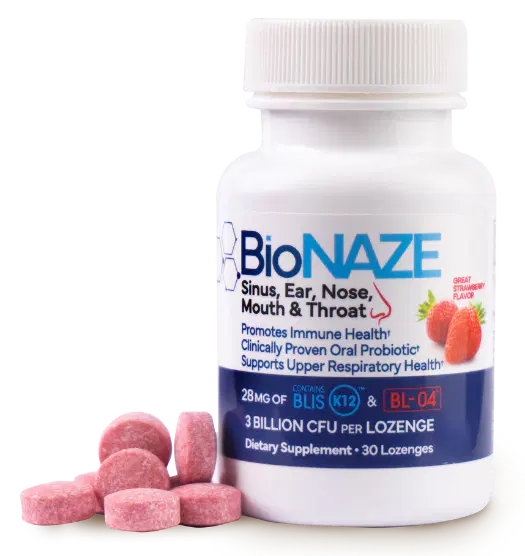
BioNaze is one supplement that contains the BL-04 strain. Available as a lozenge, it’s formulated to support the health of the nose, ears, throat, and mouth. Its inclusion reflects emerging research into probiotic applications for oral and upper respiratory health. However, supplements should not replace medical care or established treatments.
How Often Should You Take BL-04™ Probiotics?
Consistency is key when incorporating probiotics into your daily routine. The gut microbiome is influenced by diet, lifestyle, illness, and medication. Probiotics may help support microbial diversity. They can also help support a healthy gut environment. This could potentially contribute to digestive health and normal immune function.
Bifidobacterium lactis BL-04™ can be part of a balanced lifestyle. It may support long-term microbiome health. However, individual responses to probiotics can vary. This may be due to genetics, diet, or health status.
What Are the Side Effects of the BL-04™ Strain?
The European Food Safety Authority (EFSA) lists Bifidobacterium lactis BL-04™ under its Qualified Presumption of Safety (QPS) framework. Based on current evidence, the strain is safe to consume as directed. It has no major safety concerns. It also has no known links to acquired antibiotic resistance.
Although BL-04 strain is generally considered safe, it may not be suitable for everyone. See a healthcare professional before starting any new dietary supplement. This is especially important if you have a medical condition or a compromised immune system. You should also seek advice if you’re pregnant, breastfeeding, or taking prescription medication.
Before starting a new probiotic, consult your healthcare provider. This is especially important if you have health concerns or take other medications.

About The Author
Hi, I’m Corinne Grace, a proud nursing graduate from Riverside College with a flair for writing. I specialize in health and wellness topics, using my educational background to weave informative and attention-grabbing articles that appeal to a wide variety of readers.