Best Sauerkraut for Gut Health: What to Look For
Published November 24, 2026
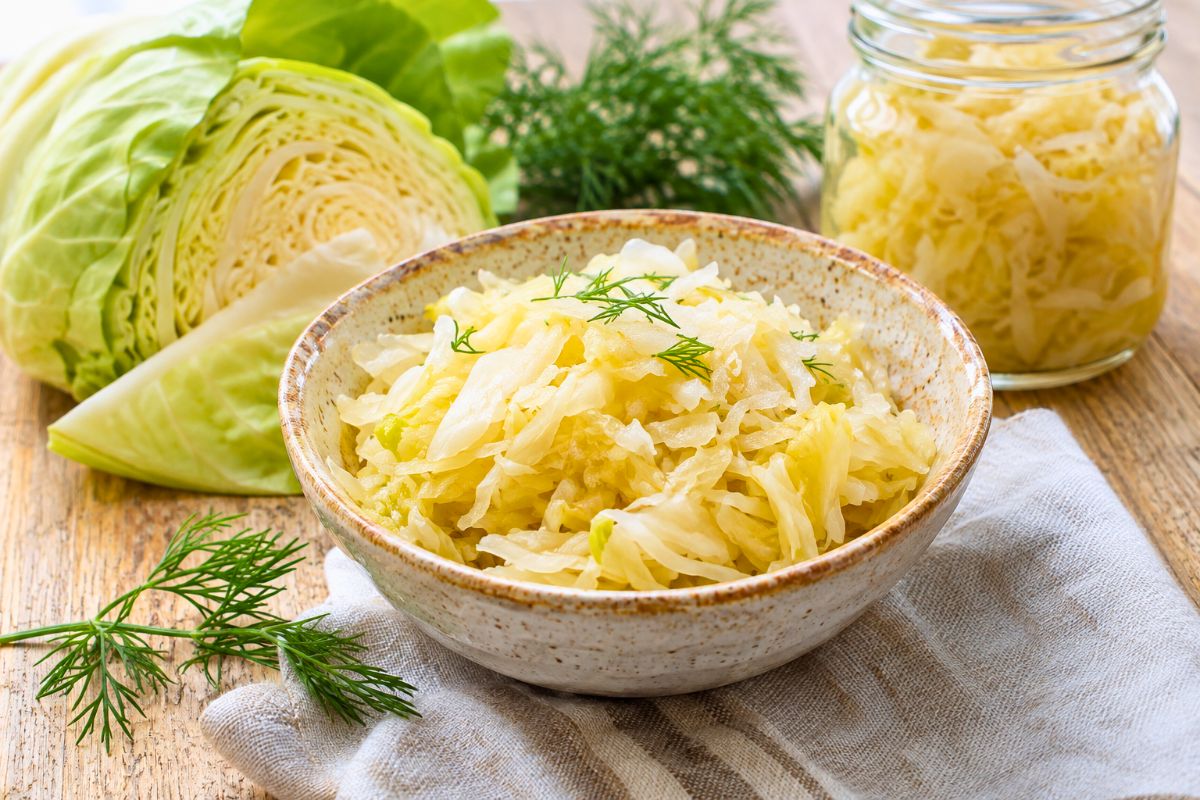
Sauerkraut is fermented cabbage. It provides dietary fiber and may contain live microorganisms, depending on how it is processed. Some products are pasteurized or heat-treated, which can kill live cultures. Others are sold unpasteurized.
Choosing the best sauerkraut for gut health involves more than comparing brands. Processing methods, ingredients, sodium levels, and storage all matter, especially if you want live cultures.
Keep in mind that live bacteria don’t automatically provide proven probiotic benefits. Research on sauerkraut and gut health is still developing. It’s best viewed as one food in a varied diet, not as a treatment for digestive concerns.
What Makes Sauerkraut Good for Gut Health?
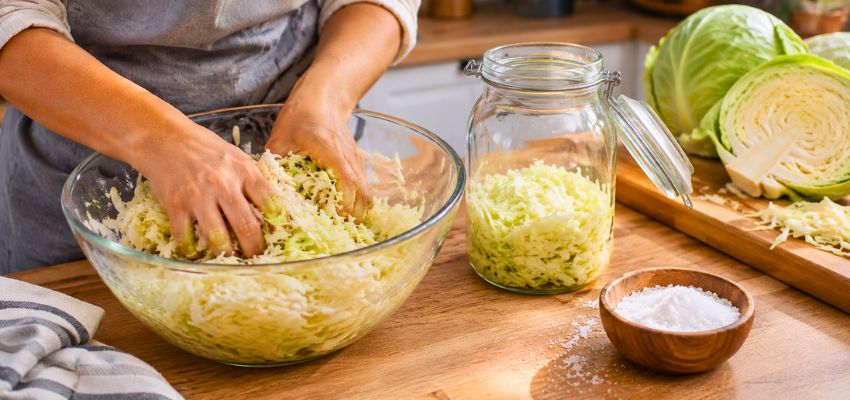
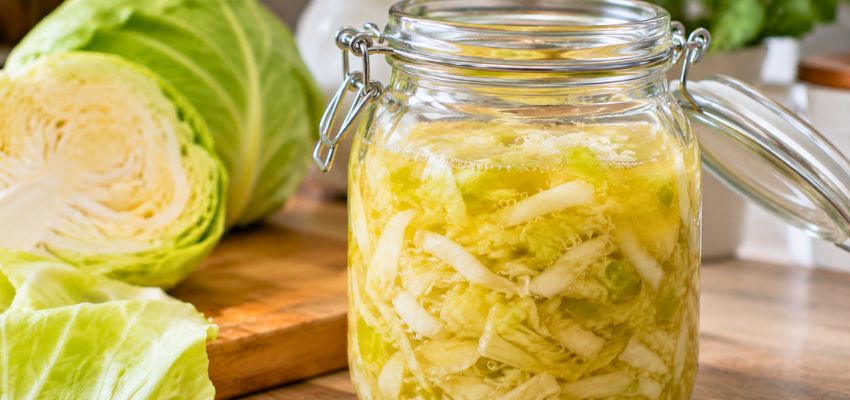
Sauerkraut is made by fermenting shredded cabbage with salt. Naturally occurring lactic acid bacteria use carbohydrates in the cabbage to produce lactic acid. This gives sauerkraut its sour flavor and creates an acidic environment that preserves it. The ISAPP fermented-food consensus provides further scientific context on how fermented foods are produced and their potential effects.
Finished sauerkraut may contain live microorganisms from fermentation, especially if it hasn’t been pasteurized. Their types and amounts vary with the ingredients, fermentation conditions, processing, and storage.
A 2025 sauerkraut trial followed 87 healthy adults. Each participant ate 100 g of fresh sauerkraut daily for four weeks. In a separate four-week period, they ate 100 g of pasteurized sauerkraut daily. Researchers saw changes in certain bacterial species but overall gut microbiome diversity did not change significantly. A 2026 analysis of the same study found no improvement in gut barrier integrity or overall systemic health benefits. These findings do not establish that sauerkraut produces lasting improvements in gut health.
Probiotics and Prebiotics in Sauerkraut
Sauerkraut contains dietary fiber and may also contain live microorganisms. However, we should not automatically call these components proven probiotics or prebiotics.
- Probiotics are live microorganisms that deliver health benefits when ingested in sufficient amounts. Some unpasteurized sauerkraut contains live bacteria. Their presence alone doesn’t prove a probiotic benefit. That takes evidence showing that specific microorganisms improve health at an adequate intake.
- Prebiotics are substances that host microorganisms selectively use to provide a health benefit, according to the ISAPP consensus on prebiotics. Cabbage contains fiber and carbohydrates that gut microorganisms can use. However, not all dietary fiber qualifies as a prebiotic.
Pasteurized sauerkraut may no longer contain live fermentation cultures but can still provide fiber and other nutrients. Unpasteurized varieties may provide both fiber and live microorganisms.
The NIH probiotic fact sheet and the ISAPP fermented-food consensus explain an important difference. Fermented foods and products with proven probiotic benefits are not the same thing.
How to Choose the Best Sauerkraut for Gut Health
Before you buy sauerkraut, check the processing method, culture information, ingredients, and Nutrition Facts label. Terms like natural, organic, and fermented do not always indicate if live microorganisms remain.
Choose Raw or Unpasteurized Sauerkraut
If you want sauerkraut that retains live fermentation microorganisms, look for products labeled raw or unpasteurized.
Pasteurization uses heat to reduce or eliminate microorganisms in food. It extends shelf life and improves stability, but it can also destroy the bacteria produced during fermentation.
Raw or unpasteurized sauerkraut is more likely to retain live cultures because it has not undergone this heat treatment. However, the types and amounts of microorganisms can still vary.
Refrigerated products are a useful place to start. Many raw varieties need cold storage. But refrigeration alone does not guarantee live cultures. Check the manufacturer’s processing information and storage instructions.
Look for Live and Active Cultures
Some manufacturers explain whether their sauerkraut contains live microorganisms. Look for descriptions such as:
- Contains live cultures
- Live and active cultures
- Raw fermented
- Unpasteurized
These labels may indicate products that still contain live bacteria. They don’t prove a clinically demonstrated probiotic benefit.
If the packaging lacks details, check the manufacturer’s website or contact customer service. You can also look for information on whether the company tests microbial counts in finished products.
Check the Ingredients and Sodium Content
Traditional sauerkraut generally requires cabbage and salt. Some varieties also contain water, vegetables, herbs, or spices for additional flavor.
A short ingredient list makes it easier to see how a product is made. Extra ingredients don’t automatically make a product a poor choice for a gut-conscious diet.
Pay attention to these details:
- Vinegar: Some products use vinegar to create a sour flavor instead of relying entirely on natural fermentation. Check how the manufacturer describes its production process.
- Added sugar: Sugar may be included for flavor or as part of a recipe. Its presence does not indicate whether live cultures remain.
- Sodium: Salt is essential to traditional fermentation, so sauerkraut can contain considerable sodium. Compare serving sizes and nutrition labels, especially if you monitor your intake.
The American Heart Association advises no more than 2,300 mg of sodium intake on a daily basis, with an optimal goal of no more than 1,500 mg for most adults. Consider your overall dietary intake when choosing fermented vegetables. See its daily sodium guidelines for more information.
Organic certification may matter if you prefer organically produced ingredients. However, it does not guarantee live cultures. An organic product can be pasteurized, while a nonorganic variety may retain live microorganisms. If live cultures are your priority, processing information matters more than organic certification alone.
Does Canned Sauerkraut Have Probiotics?
It depends on how the sauerkraut is processed. Many shelf-stable canned sauerkrauts are heated or pasteurized, which kills live cultures. This makes conventional canned sauerkraut a less reliable choice if you want live cultures. However, pasteurized sauerkraut can still provide dietary fiber and nutrients from cabbage.
Packaging alone does not determine whether live microorganisms remain. Consider these differences:
- Canned sauerkraut: Many shelf-stable products undergo heat processing to extend shelf life.
- Shelf-stable jarred sauerkraut: Glass packaging does not guarantee live cultures. Some products are pasteurized after fermentation.
- Refrigerated sauerkraut: Often includes raw or unpasteurized varieties, although you should confirm the processing method with the manufacturer.
If you’re uncertain whether a product contains live cultures, check the label or contact the manufacturer. Processing matters more than whether the sauerkraut comes in a can, jar, or plastic container.
What Is the Best Sauerkraut Brand for Gut Health? Our Top Picks
The best sauerkraut brand for gut health depends on what matters most to you. Some shoppers want raw sauerkraut, organic ingredients, or live cultures confirmed by the manufacturer.
These picks draw on publicly available manufacturer information. That includes product descriptions, ingredients, processing details, and nutrition facts. They’re not based on independent laboratory testing or firsthand product trials. The categories highlight product characteristics, not proven differences in health benefits.
Best Overall: Wildbrine Organic Green Kraut
Wildbrine Organic Green Kraut is a suitable option for shoppers looking for raw, organic sauerkraut. The manufacturer describes this product as raw.
Its ingredients include organic green cabbage, water, sea salt, and organic garlic. It has a short ingredient list, organic ingredients, and raw processing. That makes it a strong pick for shoppers who want minimally processed fermented vegetables.
The manufacturer doesn’t list a verified live-culture count per serving. Shoppers should not assume a specific probiotic dose or clinical benefit. Wildbrine lists 220 mg of sodium per 2-tablespoon serving. Check the package label for the latest nutrition information before purchasing.
Best Organic: Real Pickles Organic Sauerkraut
Real Pickles Organic Sauerkraut is another option for shoppers who prioritize organic ingredients and traditional seasoning. It contains organic cabbage, filtered water, unrefined sea salt, caraway seed, and dill seed. Its ingredient combination offers a simple, seasoned alternative to plain cabbage-and-salt varieties.
The manufacturer lists 180 mg of sodium per 2-tablespoon (30 g) serving. It also provides refrigeration instructions for when your order arrives. However, the product information doesn’t confirm a live-culture count or claim a specific probiotic benefit.
Check the package label for current nutritional details. If confirming live microorganisms matters, contact the manufacturer before you buy.
Best Traditional: Bubbie’s Sauerkraut
Bubbie’s Sauerkraut is worth considering if you prefer a traditional cabbage-and-salt fermentation process. The manufacturer says it’s naturally fermented with just three ingredients: cabbage, water, and salt.
Bubbie’s confirms its products contain live cultures but doesn’t test the number of cultures in each jar or serving. The sauerkraut is sold in the refrigerated section and should be kept cold. It has a short ingredient list and confirmed live cultures. That makes it a useful pick for shoppers comparing traditionally fermented products.
Unlike Wildbrine, Bubbie’s doesn’t describe its sauerkraut as organic. Choose between the two based on your ingredient preferences and the product characteristics that matter most to you.
Frequently Asked Questions
Is refrigerated sauerkraut better than shelf-stable sauerkraut?
Refrigerated sauerkraut is more likely to contain live cultures. Many varieties are raw or unpasteurized. However, refrigeration alone doesn’t guarantee live cultures. Check the manufacturer’s processing information before buying.
Can you eat sauerkraut every day for gut health?
Yes, if you tolerate it well. Start with a small serving and monitor your response. Consider its sodium content, especially if you follow a sodium-restricted diet. There’s no established daily serving proven to improve gut health.
Does sauerkraut juice contain probiotics?
Raw, unpasteurized sauerkraut brine may contain live microorganisms from fermentation. Pasteurized brine likely does not. However, live bacteria do not automatically establish a probiotic benefit.
Is organic sauerkraut better for gut health?
Not necessarily. Organic certification covers how ingredients are grown. It does not tell you whether a product has live cultures. To get live microorganisms, prioritize the fermentation and processing method over organic labeling.
Can sauerkraut cause bloating or gas?
Yes. Sauerkraut contains fermentable carbohydrates such as mannitol. These can trigger bloating or gas in sensitive people, including some with IBS.
Portion size matters. Monash University identifies a one-cup serving of sauerkraut as high in mannitol. Smaller portions may be suitable on a low-FODMAP diet. Check its FODMAP guidance for serving recommendations.
Is homemade sauerkraut better than store-bought sauerkraut?
Homemade sauerkraut gives you more control over the ingredients and the fermentation process. It also requires careful preparation and good food-safety practices.
Use a tested recipe, follow its salt proportions, and keep the cabbage submerged in brine. Don’t reduce the recommended salt without a validated alternative. The National Center for Home Food Preservation provides a safe sauerkraut preparation guide with instructions.
Store-bought varieties are more convenient, but check if they have been pasteurized. Neither option is innately better; the choice depends on your preferences and preparation practices.
Why Choose BioNaze?
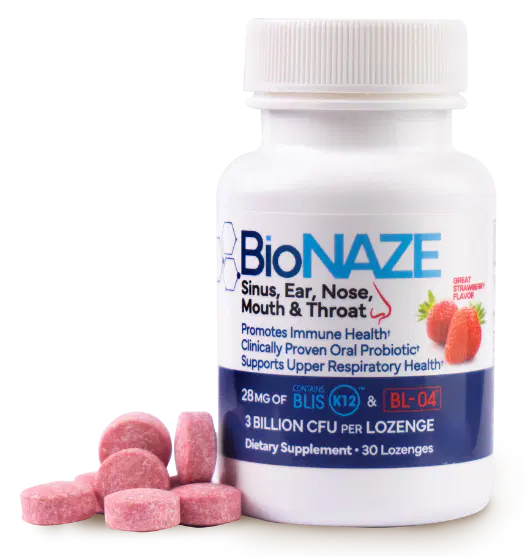
Sauerkraut is one way to include fermented foods in your diet, but probiotic supplements offer another option. BioNaze combines two identified strains, BLIS K12™ (Streptococcus salivarius K12) and BL-04™ (Bifidobacterium Lactis BL-04), with 3 billion CFU per lozenge.
Unlike fermented cabbage, BioNaze is formulated to support oral and upper respiratory wellness. Its specific strains serve a different purpose, so it should not be considered a substitute for sauerkraut or dietary fiber.
Explore the BioNaze probiotic formula and learn how its specific strains support oral and upper respiratory wellness.
Choose the Best Sauerkraut for Your Gut Health Goals
Choosing the best sauerkraut for gut health means looking beyond product labels. Check the fermentation method, ingredients, sodium content, and storage requirements if you want live cultures.
Although sauerkraut can be part of a varied diet, live bacteria do not automatically provide proven probiotic benefits. Pick a product that fits your dietary needs instead of relying on marketing claims.
Want to learn more about probiotic strains and digestive wellness? Visit the educational resources at BioNaze.

This Content Has Been Reviewed For Factual Accuracy
This content has undergone thorough fact-checking by our team of internal experts. Learn more about the meticulous editorial standard for our website here.
Benefit From The Latest Advancements In Probiotic Science With Bionaze
Bionaze is a proprietary blend of probiotics proven to promote ear, nose, and throat health, improve digestion, and support your immune system. The active ingredients BLIS K12, and BL-04 are considered among the best probiotics according to science.
Get 25% Off Your First Order when you use BIO25 at checkout!
ADVERTISEMENT


About The Author
Hi, I’m Corinne Grace, a proud nursing graduate from Riverside College with a flair for writing. I specialize in health and wellness topics, using my educational background to weave informative and attention-grabbing articles that appeal to a wide variety of readers.