Crackling Sound in Sinuses: Should You Be Worried?

Published April 28, 2026
Ever heard a strange popping or clicking sound inside your head and wondered what’s going on? That unsettling crackling sensation in your sinuses can feel alarming, but in most cases, it isn’t something serious. These sounds are typically linked to congestion, inflammation, or pressure changes. This affects how air and mucus move through your nasal passages. While uncomfortable, they’re often your body’s way of signaling that your sinuses need attention.
In this article, we’ll explain the causes of crackling sounds in your sinuses. We’ll discuss when it’s harmless and when it might require medical attention. We’ll also cover practical ways to manage symptoms and support your long-term sinus health.
What Does A Crackling Sound In The Sinuses Mean?
A crackling, clicking, or popping noise usually reflects changes inside your sinus cavities. These sounds are caused by how air and mucus move through them.
How Sinus Anatomy Affects Sound And Pressure
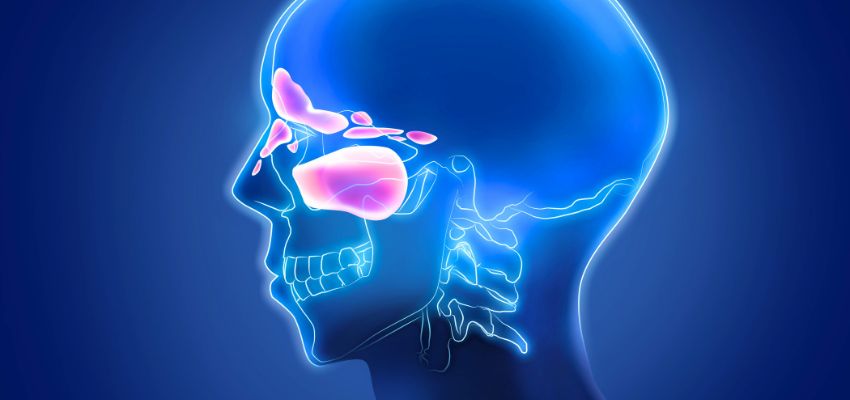
Your sinuses are hollow, air-filled spaces located behind your forehead, cheeks, and nose. Under normal conditions, air flows freely, and mucus drains smoothly.
When inflammation or congestion occurs, such as during a cold or allergies, these pathways narrow. This can disrupt airflow and trap mucus, leading to the crackling or popping sensations you hear. Pressure changes (like during flights or weather shifts) can also contribute.
When Crackling Noises Are Harmless Vs. Concerning
In most cases, these sounds are temporary and resolve as congestion clears. However, you should consider medical advice for the following:
- Last longer than 7-10 days
- Worsen instead of improving
- It occurs with fever, facial swelling, or severe pain
- Include thick, discolored nasal discharge
These may indicate a more serious issue, such as sinusitis.
Possible Reasons For The Crackling Sound In Sinuses
Several culprits could be behind the unusual noises in your nasal cavities. Your sinuses are sensitive to changes in fluid, air, and inflammation. Let’s look at the most common conditions that trigger these sounds.
Sinusitis (Acute And Chronic Sinus Infections)
Sinus infections cause inflammation that traps fluid inside the sinus cavities.
- Acute sinusitis: Often follows a cold, with facial pain and pressure.
- Chronic sinusitis: Tends to persist for up to 12 weeks or more.
The trapped fluid and swelling disrupt airflow, leading to crackling or popping sounds.
Allergic Rhinitis (Hay Fever) And Inflammation
Allergies can trigger an immune response. This inflames your nasal passages and increases mucus production.
Common triggers include:
- Pollen
- Dust mites
- Pet dander
This inflammation narrows the airways, contributing to noisy sinus activity.
Excess Mucus And Sinus Congestion
Even without infection or allergies, thick mucus can build up and partially block your nasal passages. These blockages restrict airflow, which can cause a crackling sound. You might hear it when you breathe deeply, swallow, or blow your nose.
Changes In Air Pressure (Barosinusitis)
Your sinuses are sensitive to environmental pressure changes, such as during:
- Air travel
- Diving
- Sudden weather shifts
When the pressure isn’t equalized quickly, trapped air can shift inside your sinuses, producing a popping or crackling sensation.
Nostril Myoclonus (Rare)
This uncommon condition involves involuntary muscle contractions inside the nose. Unlike other causes, the sound comes from muscle movement rather than congestion. Though unusual, it’s generally not dangerous.
When To See A Doctor For Crackling Sinuses
Most sinus crackling resolves on its own, but certain symptoms require medical attention.
Warning Signs That Need Prompt Evaluation
Seek medical care if you experience:
- High fever
- Severe or persistent headache
- Facial swelling or redness
- Vision changes
- Neck stiffness or confusion
These may indicate a more serious infection.
Persistent Or Worsening Symptoms
Medical advice is recommended if:
- Symptoms last longer than 10 days
- You improve, then suddenly worsen again
- You experience symptoms for 12 weeks or more (possible chronic sinusitis)
Diagnosing Crackling Sinuses
Doctors utilize several methods to identify the cause of sinus-related sounds.
Medical History And Symptom Review
You’ll be asked about:
- Duration and frequency of symptoms
- Associated signs (pain, discharge, fever)
- History of allergies or sinus issues
Physical Examination
The doctor will examine your nasal passages and gently press on your face to check for tenderness or blockage.
Imaging Tests
If needed, further evaluation may include:
- CT scan: Provides detailed images of sinus structures
- Nasal endoscopy: Uses a small camera to inspect inside the nose
Identifying Underlying Causes
Additional tests, such as allergy testing or basic lab work, may be used to confirm triggers and rule out other conditions.
Management Of Crackling Sound In Sinuses
Treatment will depend on the underlying cause. Most approaches focus on reducing inflammation and clearing blockages. Here are the most effective management strategies for common sinus conditions:
Sinusitis (Acute And Chronic)
- Saline rinse to flush mucus
- Pain relievers (e.g., ibuprofen or acetaminophen)
- Decongestants for short-term relief
- Antibiotics (if bacterial infection is confirmed)
Chronic cases may require:
- Nasal steroid sprays
- Long-term rinses
- Endoscopic sinus surgery (in severe cases)
Allergic Rhinitis (Hay Fever)
- Avoid known triggers
- Use antihistamines
- Apply nasal corticosteroids
- Consider prescription treatments for persistent symptoms
Mucus Buildup And Sinus Congestion
- Stay well-hydrated
- Use saline sprays or neti pots
- Try steam inhalation
Pressure-Related Sinus Changes
- Swallow or yawn to equalize pressure
- Allow sinuses to adjust naturally
- Refrain from pressing or forcing your nose to “pop,” as this can cause injury
Nostril Myoclonus
Treatment may include:
- Botulinum toxin (Botox) injections
- Medications to control muscle activity
Frequently Asked Questions
Is a crackling sound in sinuses normal?
Yes, it’s usually a temporary and harmless result of congestion or pressure changes.
Can sinus infections cause clicking or popping noises?
Yes. Infections can trap fluid and disrupt airflow, leading to these sounds.
Why do my sinuses crackle when I press my nose?
Pressing your nose shifts trapped air and mucus, creating noise. Avoid doing this regularly to prevent irritation or injury.
Can probiotics help with sinus health?
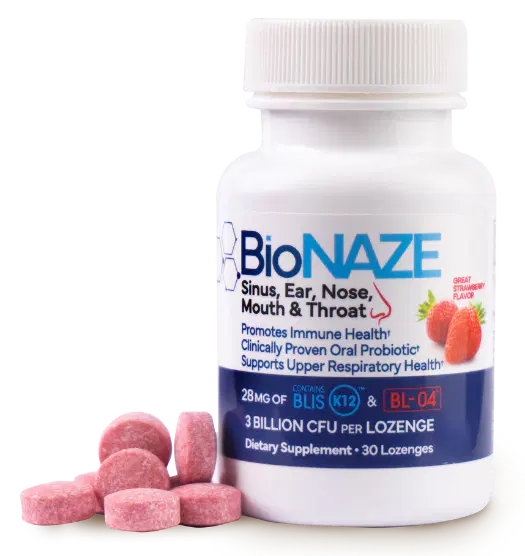
Yes, certain probiotics may help support a balanced upper respiratory microbiome, which is essential for immune function and may reduce recurring sinus and throat issues. Products like BioNaze are formulated with clinically studied strains designed to support ear, nose, and throat health, promoting long-term respiratory wellness.
How do I stop the crackling sounds in my nose naturally?
Saline rinses, steam inhalation, and staying hydrated are natural ways to stop crackling sounds in your nose. These methods help clear congestion and restore normal airflow.
Can allergies cause crackling in the sinuses?
Yes. Allergies inflame the nasal passages and increase mucus, which can lead to crackling sounds.
Why Choose BioNaze
Looking for a natural way to support your sinus and respiratory health? BioNaze is formulated to promote balance in the oral and upper respiratory microbiome.
This advanced probiotic supplement contains two clinically studied strains:
- BLIS K12™ (Streptococcus salivarius K12): Helps support an ideal balance of bacteria in the mouth and throat, contributing to overall ear, nose, and throat health.
- BL-04™ (Bifidobacterium Lactis BL-04): Known for its role in supporting immune and respiratory function.
By introducing beneficial bacteria, BioNaze helps maintain a healthier environment in the mouth, nose, and throat. All of which are closely linked to sinus health. Adding BioNaze to your daily routine may complement your existing sinus care approach and support long-term respiratory wellness.
From Noise To Clarity: Managing Crackling Sound In Sinuses
A crackling sound in your sinuses is rarely serious and is usually caused by temporary inflammation, allergies, or mucus buildup. Home remedies like saline rinses, steam inhalation, and staying hydrated can often clear the congestion. However, seek medical advice if you experience a high fever, severe facial pain, or if congestion lasts more than 10 days, as this could indicate a bacterial infection.
For long-term sinus health, manage triggers, keep nasal passages clear, and support your respiratory microbiome. To promote respiratory wellness, add BioNaze to your daily routine. Its natural formula uses patented probiotic strains to target and prevent chronic sinus, ear, nose, and throat issues, helping you breathe easier.
Benefit From The Latest Advancements In Probiotic Science With Bionaze
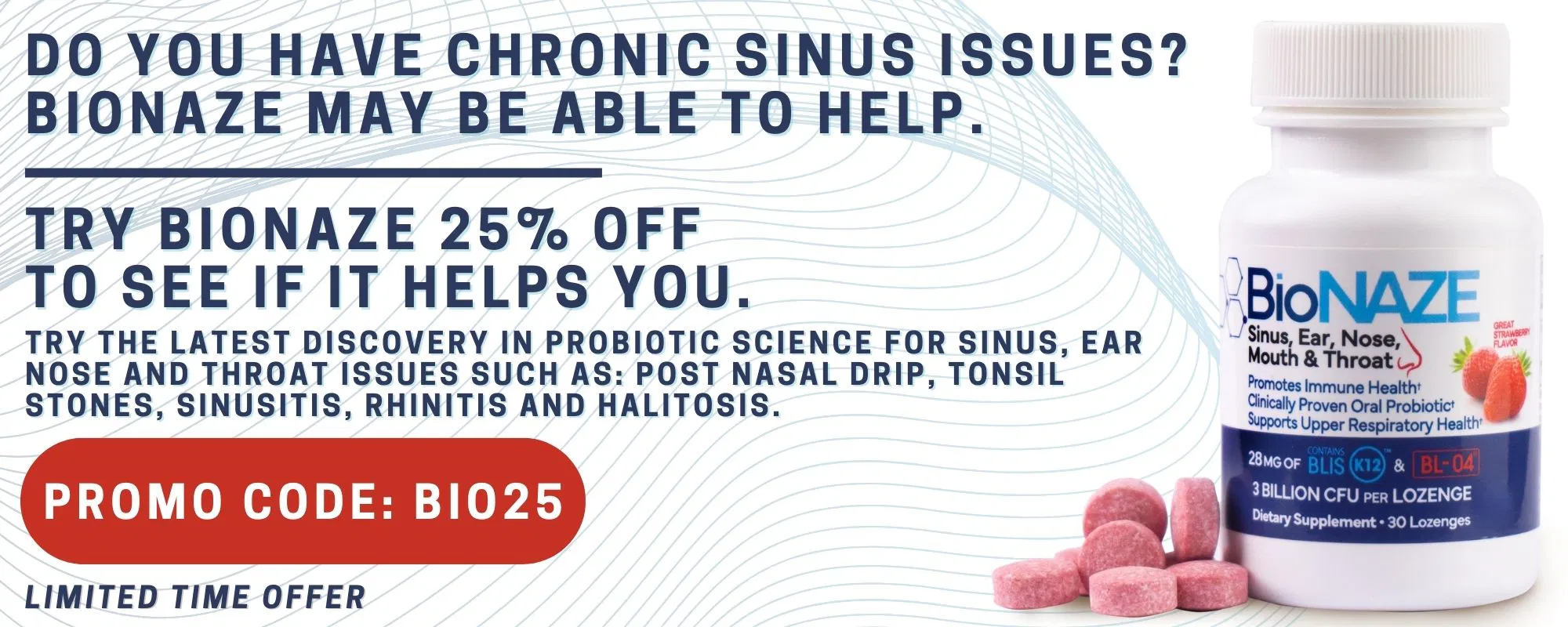
Bionaze is a proprietary blend of probiotics proven to promote ear, nose, and throat health, improve digestion, and support your immune system. The active ingredients BLIS K12, and BL-04 are considered among the best probiotics according to science.
Get 25% Off Your First Order when you use BIO25 at checkout!

This Content Has Been Reviewed For Factual Accuracy
This content has undergone thorough fact-checking by our team of internal experts. Learn more about the meticulous editorial standard for our website here.
ADVERTISEMENT

About The Author
Hi, I’m Corinne Grace, a proud nursing graduate from Riverside College with a flair for writing. I specialize in health and wellness topics, using my educational background to weave informative and attention-grabbing articles that appeal to a wide variety of readers.