Is Kombucha Good For Gut Health? Key Microbiome Benefits

Published April 13, 2026
For years, kombucha has been hailed as a gut health powerhouse. This fizzy, fermented tea has been enjoyed for thousands of years. It’s now a popular choice for those looking to improve their digestion. Many also drink it to boost beneficial gut bacteria. But in a world full of wellness trends, it’s fair to ask: is kombucha good for gut health, or is it just hype?
In this article, we explore the science behind kombucha, how it affects your microbiome, and its real benefits and limitations. We’ll show you how to safely add it to your routine. You’ll also learn how targeted probiotics can support your overall microbiome health.
What Is Kombucha, And Why Is It So Popular?
Kombucha is prepared using four simple ingredients: tea (usually black or green), sugar, bacteria, and yeast. This mixture ferments over one to four weeks, during which the sugar is broken down into a lightly carbonated, tangy drink.
During fermentation, a SCOBY (Symbiotic Culture of Bacteria and Yeast) forms. This SCOBY creates beneficial compounds, organic acids, and live cultures. These elements give kombucha its signature taste and potential health effects.
Kombucha can support digestion by providing antioxidants like polyphenols and small amounts of B vitamins. These components protect cells and support energy levels.
Is Kombucha Good For Gut Health?
Your gut microbiome contains trillions of microorganisms. These microbes influence digestion, immunity, and overall health. Maintaining a balanced microbiome is essential for proper bodily function. Kombucha can help with this balance. It introduces beneficial bacteria into your gut. These compounds support a healthy gut environment.
Kombucha is composed of probiotics, which are beneficial bacteria capable of helping maintain a balanced digestive system by aiding digestion, producing certain nutrients, and strengthening the gut lining. The organic acids and antioxidants, such as acetic acid, found in kombucha may reduce inflammation and limit harmful bacteria, further contributing to gut health.
Does Kombucha Help With Digestion? Key Benefits Explained
Aids In Food Breakdown
Kombucha contains live cultures, which are beneficial microorganisms that help break down food in your digestive tract. This process can make digestion smoother and more efficient, particularly after consuming heavy meals.
Potential Relief For Bloating And Irregularity
Kombucha promotes microbial balance, which may alleviate bloating, gas, and irregular bowel movements by supporting healthy gut bacteria. Consume it in moderation for the best results.
Boosts Gut Bacteria Diversity And Nutrient Absorption
A more diverse gut microbiome helps your body absorb nutrients more efficiently, so you receive greater nutritional value from the foods you eat.

Potential Health Benefits Of Kombucha Beyond Digestion
Immune System Support And Gut-Health Connection
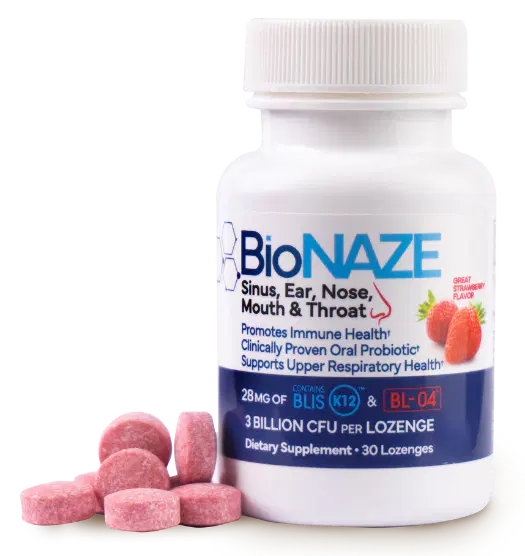
A large part of your immune system is in your gut, so keeping your microbiome healthy supports your body’s natural defenses. The B vitamins and antioxidants in kombucha also help keep your immune system functioning smoothly. Some probiotic solutions support the immune system beyond the gut by targeting the upper respiratory tract. For instance, BioNaze uses specific strains to support sinus, throat, and oral health, which are crucial for immune defense.
Detoxification Claims
Many enthusiasts claim kombucha helps with detoxification. While it’s not a cure-all, enzymes and organic acids in kombucha can support your liver by helping your body process and eliminate waste products through natural detoxification pathways.
Energy, Metabolism, And Overall Wellness
Kombucha made with a green tea base retains some caffeine. This caffeine, along with B vitamins, can help increase your energy levels. Both also gently support your metabolism. Because of this, kombucha is a great alternative to sugary sodas or high-caffeine energy drinks.
Are There Any Risks Or Side Effects Of Drinking Kombucha?
While kombucha is generally safe, it’s not without potential side effects. Overconsumption can lead to digestive issues like bloating and nausea. It’s also wise to check the labels on commercial brands for added sugars.
Due to its fermentation process, kombucha contains small amounts of caffeine and trace alcohol. For these reasons, certain groups should avoid it. This includes pregnant women, young children, and individuals with weakened immune systems. Homemade brews, in particular, should be avoided.
How Much Kombucha Should You Drink For Gut Health?
To get digestive benefits from kombucha, start with about four ounces per day. Increase your intake gradually if you feel comfortable. Many people find that drinking kombucha before or during meals improves digestion. When choosing kombucha, select brands that contain ‘live and active cultures,’ minimal sugar, and high manufacturing quality.
Tips For Adding Kombucha To Your Gut Health Routine
- Start slow: Begin with a small glass, roughly a quarter of a bottle, and wait a day to see how your stomach reacts. If you feel fine, you can gradually incorporate it into your weekly routine.
- Pairing kombucha with other gut-friendly foods: For best results, pair your kombucha with high-fiber foods like fruits, vegetables, nuts, and seeds. These contain prebiotics that feed the probiotics in the fermented tea. This creates an ideal environment for good bacteria to thrive.
More regular bowel movements, less bloating, and a feeling of lightness in your stomach are signs that the kombucha is working. Consistent energy and a stronger immune response also indicate a happy microbiome.
Frequently Asked Questions
Is kombucha good for gut health every day?
Yes, in small amounts, daily consumption can help maintain microbial balance.
Does kombucha help with digestion or just probiotics?
Kombucha helps with both digestion and probiotic balance. The probiotics in kombucha restore healthy microbial balance in your gut, while the organic acids and enzymes it contains assist in breaking down food for easier digestion.
What is kombucha good for besides gut health?
Kombucha is also beneficial because it contains antioxidants, which help reduce inflammation, and B vitamins for energy support. The antimicrobial acids in kombucha can help limit harmful bacteria, and it serves as a lower-calorie alternative to sugary sodas.
Can kombucha cause digestive issues?
Yes, especially if consumed in large amounts or introduced too quickly.
How long does it take for kombucha to improve gut health?
Some benefits may appear within days, but lasting changes typically take weeks.
Why Choose BioNaze
When supporting your microbiome, BioNaze offers a more advanced, targeted approach. It goes beyond traditional options that focus only on digestion. BioNaze is formulated with patented probiotic strains. These help promote microbial balance in the gut, sinuses, throat, and oral cavity. This supports both immune and respiratory health.
The key strains include:
- BLIS K12™ (Streptococcus salivarius K12): Supports oral and throat health by promoting beneficial bacteria in the upper respiratory tract.
- BL-04™ (Bifidobacterium Lactis BL-04): Helps support immune function and respiratory health.
Kombucha mainly supports healthy digestion by introducing beneficial bacteria to the gut. BioNaze, on the other hand, supplies targeted probiotic strains directly to the specific areas of your body where they are most needed for overall microbiome support.

Kombucha And Gut Health: What Matters Most For A Balanced Microbiome
So, is kombucha good for your gut health? The short answer is yes. It can be a refreshing way to support digestion. It also helps introduce probiotics into your diet. It may help reduce bloating, improve gut balance, and support overall wellness when consumed in moderation. However, it works best as a component of a routine that includes a well-balanced diet and targeted support where needed.
To fully support your microbiome, it’s important to look beyond the gut. BioNaze can complement your routine. It targets areas kombucha can’t reach, allowing you to take a more complete approach to microbiome health.
Benefit From The Latest Advancements In Probiotic Science With Bionaze
Bionaze is a proprietary blend of probiotics proven to promote ear, nose, and throat health, improve digestion, and support your immune system. The active ingredients BLIS K12, and BL-04 are considered among the best probiotics according to science.
Get 25% Off Your First Order when you use BIO25 at checkout!

This Content Has Been Reviewed For Factual Accuracy
This content has undergone thorough fact-checking by our team of internal experts. Learn more about the meticulous editorial standard for our website here.
ADVERTISEMENT


About The Author
Hi, I’m Corinne Grace, a proud nursing graduate from Riverside College with a flair for writing. I specialize in health and wellness topics, using my educational background to weave informative and attention-grabbing articles that appeal to a wide variety of readers.