
What Does Gingivitis Smell Like? Signs You Shouldn’t Ignore

Published September 28, 2026
Gingivitis-related breath can smell foul or sulfur-like, and some people describe it as comparable to rotten eggs. The odor is linked to bacterial activity and volatile sulfur compounds (VSCs) in the mouth. But smell alone cannot confirm gingivitis. If persistent bad breath occurs with bleeding, redness, or swollen gums, have your oral health checked by a dentist.
Persistent bad breath can be frustrating, particularly when brushing doesn’t seem to help. Gingivitis can be linked to bad breath when plaque buildup leads to bacterial accumulation and gum inflammation. However, bad breath has many causes, so the odor alone cannot confirm gingivitis.
The more useful clue is whether the smell occurs alongside changes in your gums, such as redness, swelling, or bleeding.
What Does Gingivitis Smell Like?
What Gingivitis-Related Breath May Smell Like
Gingivitis-related breath may be described as foul, unpleasant, or sulfur-like. Some dental sources compare the odor to rotten eggs because certain sulfur-containing compounds produced by oral bacteria can contribute to a strong smell.
The smell varies among people. Some notice a strong odor, while others find their breath persistently stale or unpleasant. The presence and intensity of bad breath depend on factors like oral hygiene, plaque buildup, and the bacteria in the mouth.
This means there’s no single “gingivitis smell” to use as a diagnostic test. If your breath has changed but your gums look and feel normal, there may be another cause.
Why Does Gingivitis Cause an Unpleasant Smell?
Plaque is a sticky film holding bacteria that forms on teeth. When it’s not removed effectively, it can irritate the gum tissue and contribute to gingivitis. The American Dental Association identifies plaque buildup as a cause of gingivitis and lists bad breath among its possible symptoms.
Some oral bacteria can produce volatile sulfur compounds (VSCs) during the breakdown of sulfur-containing compounds in the mouth. Compounds such as methyl mercaptan and hydrogen sulfide are associated with unpleasant breath odor.
This explains why bacterial buildup can cause unpleasant breath when gum inflammation is present. The odor isn’t just from inflamed gums. Bacterial activity and the compounds it produces also contribute to the smell.
Does Gingivitis Cause Bad Breath?
How Gingivitis Can Contribute to Bad Breath
Yes, gingivitis can be associated with bad breath. The American Dental Association lists bad breath as one of the symptoms that may occur with gingivitis, alongside red, swollen, and easily bleeding gums.
There’s a distinction between irregular foul breath and an odor that keeps returning. Morning breath or temporary odor after eating strong foods is common. Persistent bad breath is different, especially when it continues despite consistent oral hygiene.
When ongoing odor appears with bleeding or visibly inflamed gums, the gums need closer attention. This doesn’t prove gingivitis is responsible but makes a dental assessment more useful than trying another breath-freshening product.
Bad Breath and Other Signs of Gingivitis
Bad breath can occur alongside other signs of gum inflammation. These may include:
- Red gums
- Swollen or tender gums
- Bleeding during brushing or cleaning between the teeth
- Plaque buildup
- An unpleasant taste
These symptoms should be considered together rather than individually to identify gingivitis. Gingivitis can be painless, so a person may not realize their gums are inflamed.

How Can You Tell if Bad Breath is From Gingivitis?
Signs That Point to a Gum-Related Cause
You cannot reliably determine the cause of bad breath by smell alone. Instead, consider the pattern of symptoms.
A gum-related cause may be worth considering when persistent odor occurs with:
- Bleeding gums during brushing or interdental cleaning
- Redness or swelling around the gumline
- Noticeable plaque or tartar
- A recurring unpleasant taste
- Other persistent changes in the gums
Considering the combination of symptoms provides more context than relying on breath odor alone. For example, occasional bad breath after eating garlic differs from persistent odor with swollen or bleeding gums.
If several of these signs are present, a dentist can examine your gums and assess whether gingivitis or another oral condition may be contributing to the problem.
Other Possible Causes of Bad Breath
Gingivitis is only one possible cause of bad breath. Other possibilities include:
- Bacteria and coating on the tongue
- Food trapped between teeth
- Inconsistent oral hygiene
- Dry mouth
- Tooth decay
- Tobacco use
- Other oral or medical conditions
Because bad breath has several possible causes, persistent odor shouldn’t automatically be attributed to gum disease.
This distinction is useful if your gums appear healthy but your breath remains unpleasant. A dental exam can help identify or rule out oral causes before considering other possibilities.
How to Get Rid of Gingivitis-Related Bad Breath
If gum inflammation and plaque are contributing to the odor, the goal is to address the underlying oral health issue rather than simply cover the smell.
Improve Daily Oral Hygiene
A consistent oral hygiene routine helps control plaque and remove bacteria and debris that may contribute to gum inflammation and bad breath.
Focus on:
- Brushing twice a day with fluoride toothpaste.
- Cleaning between your teeth on a daily basis with floss or an appropriate interdental cleaner.
- Cleaning your tongue to remove buildup from its surface.
- Keep the routine consistent instead of increasing cleaning only when bad breath becomes noticeable.
The ADA recommends daily brushing and cleaning between the teeth as part of good oral care and notes that professional dental care may also be needed. Gingivitis is generally reversible when the underlying plaque and inflammation are addressed.
Mouthwash or breath fresheners may make your breath smell fresher temporarily but don’t address the cause. If gum inflammation or tartar contributes to the problem, treating the issue is more useful than masking the smell.
See a Dentist If the Smell Persists
If bad breath continues despite good oral hygiene, schedule a dental exam. This is especially important if you also have bleeding, swelling, redness, tenderness, or visible buildup around the gums.
A dentist checks your teeth and gums to determine whether gingivitis, tooth decay, tartar, or another oral condition may be contributing to the problem. Professional cleaning may be recommended when hardened tartar is present because it cannot be removed through ordinary brushing alone.
Persistent bad breath isn’t something you need to live with or continually cover with breath-freshening products. Finding the cause gives you a better chance to address it properly.
Why Choose BioNaze
For people who want to support their oral microbiome alongside good daily oral care, BioNaze contains two probiotic strains: BLIS K12™ (Streptococcus salivarius K12) and BL-04™ (Bifidobacterium lactis BL-04).
Research into probiotics and halitosis is still developing. A 2025 systematic review of six randomized controlled trials in systemically and periodontally healthy adults found that five studies reported significant reductions in volatile sulfur compounds and three reported improvements in smell-based measures of bad breath. However, the studies varied, and limited long-term follow-up makes it hard to draw firm conclusions about clinical effectiveness.
This suggests some probiotic strains may support fresh breath and oral microbiome care, but evidence varies by strain, formulation, and study design. Probiotics may be a complement to good oral care, not a treatment for gingivitis or a replacement for dental care. If you have persistent bad breath with bleeding, swelling, or other gum changes, professional dental evaluation should come first.
Frequently Asked Questions
What does gingivitis smell like?
Gingivitis-related breath can smell foul or sulfur-like, and some individuals describe it as similar to rotten eggs. Bacterial activity and volatile sulfur compounds can contribute to the odor, but smell alone cannot confirm gingivitis.
Does gingivitis cause bad breath?
Yes. Bad breath can occur with gingivitis. The American Dental Association lists bad breath among the possible symptoms of gingivitis, along with red, swollen, and easily bleeding gums.
Can gingivitis cause a bad taste in your mouth?
An unpleasant taste can occur alongside bad breath and gum problems. However, a bad taste isn’t specific to gingivitis, so persistent symptoms should be assessed in context rather than used to diagnose the condition.
Can bad breath be the only sign of gingivitis?
Bad breath can occur with gingivitis, but it’s not enough to identify the condition. Other changes, particularly red, swollen, or bleeding gums, provide additional context. Because gingivitis can be painless, regular dental examinations can help identify gum inflammation even when noticeable symptoms are limited.
Can gingivitis-related bad breath go away?
It can improve when the underlying cause is addressed. Good brushing and daily cleaning between teeth help control plaque. Cleaning the tongue also removes buildup that may contribute to bad breath. If the odor continues despite these measures, a dental exam can help identify the cause.
When should I see a dentist about bad breath?
Arrange a dental visit if bad breath persists despite consistent oral hygiene, especially if you have bleeding gums, swelling, redness, tenderness, pain, or noticeable plaque or tartar. Persistent symptoms may have an underlying oral cause needing professional assessment.
Can probiotics help with bad breath?
Research suggests some probiotic strains may reduce measures linked to halitosis, including volatile sulfur compounds, but results vary by strain and study. A 2025 systematic review found potential benefits while highlighting differences between studies and limited long-term evidence.
Probiotics may therefore be considered a potential complement to good oral care, not a treatment for gingivitis or a substitute for dental evaluation.
What to Remember About Gingivitis and Bad Breath
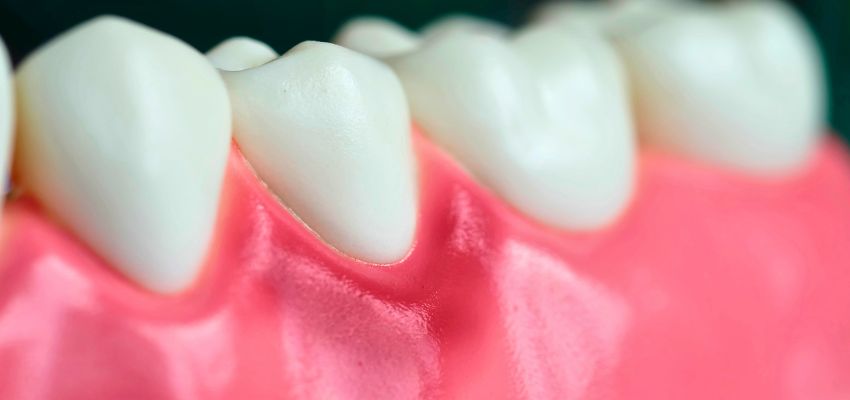
What does gingivitis smell like? It may be associated with foul or sulfur-like breath, sometimes described as similar to rotten eggs. However, the smell alone cannot diagnose gingivitis.
Persistent bad breath accompanied by bleeding, redness, swelling, or other gum changes is worth discussing with a dental professional. Good oral hygiene, including brushing two times a day and cleaning between your teeth, can help control plaque and support gum health.
If the odor persists despite good oral care, have it evaluated rather than masking it. For more information about oral microbiome support, explore BioNaze and its educational resources.

This Content Has Been Reviewed For Factual Accuracy
This content has undergone thorough fact-checking by our team of internal experts. Learn more about the meticulous editorial standard for our website here.
Benefit From The Latest Advancements In Probiotic Science With Bionaze
Bionaze is a proprietary blend of probiotics proven to promote ear, nose, and throat health, improve digestion, and support your immune system. The active ingredients BLIS K12, and BL-04 are considered among the best probiotics according to science.
Get 25% Off Your First Order when you use BIO25 at checkout!
ADVERTISEMENT


About The Author
Hi, I’m Corinne Grace, a proud nursing graduate from Riverside College with a flair for writing. I specialize in health and wellness topics, using my educational background to weave informative and attention-grabbing articles that appeal to a wide variety of readers.