Bad Breath From Throat Mucus: What It Is And How To Treat It

Published June 10, 2026
Ever brushed, flossed, and gargled, only to find that stubborn bad breath creeping back just hours later? It’s a frustrating cycle that can quickly crush your confidence. Most people blame garlic bread or poor oral hygiene for their bad breath. But the real culprit might be hiding in your throat. Excess throat mucus may contribute to bad breath in some people by creating conditions that can promote the accumulation of odor-producing bacteria.
In this article, we’ll explore what bad breath caused by throat mucus is, why it happens, and how to treat it. Whether you’re dealing with a bad taste in your mouth or constantly clearing your throat, this guide will help you know the issue and find a solution for fresher breath.
What Is Bad Breath From Throat Mucus?
How Throat Mucus Contributes To Unpleasant Breath
Mucus is a normal part of your body’s defense system, lining your nasal passages, sinuses, and throat to trap dust, bacteria, and other particles. Typically, it’s thin and moves through your system unnoticed.
The problem begins when mucus becomes too thick or accumulates in excess. This may create conditions that can support the growth of odor-causing bacteria. As mucus builds up, it may reduce saliva’s ability to clear bacteria and debris effectively, allowing unpleasant odors to develop.
The Role Of Bacteria In Mucus-Related Halitosis
Your mouth houses hundreds of bacterial species, most of which are harmless. However, anaerobic bacteria are the primary cause of halitosis. These bacteria thrive in low-oxygen environments. Excess mucus on the throat and tongue creates a protein-rich place for these bacteria to multiply.
As these bacteria break down proteins in mucus, they release volatile sulfur compounds (VSCs). These are the same compounds responsible for the rotten-egg smell associated with bad breath. Thick mucus also hinders saliva’s natural cleansing action, allowing these odor-causing bacteria to linger.
Signs That Throat Mucus May Be Causing Your Bad Breath
Not all bad breath has the same source. Here are a few signs that throat mucus may be the cause:
- Your breath remains unpleasant after brushing and rinsing.
- You frequently feel the need to clear your throat.
- You have a persistent sour or metallic taste in your mouth.
- You can feel mucus dripping down the back of your throat.
Some people notice their symptoms worsen during allergy season or after consuming dairy products, although research on dairy’s effects on mucus production is mixed.
What Causes Bad Breath From The Throat?
Postnasal Drip And Excess Mucus Buildup
Postnasal drip occurs when excess mucus from your nasal passages flows down the back of your throat. This constant coating of mucus can cause persistent bad breath. Those with chronic postnasal drip often find their breath is worse in the morning or after lying down for long periods.
Sinus Infections And Chronic Nasal Congestion
Bacterial sinus infections create thick, discolored mucus filled with bacteria and dead immune cells. When this infected mucus drains into the throat, it can cause a noticeable odor. Chronic sinusitis, where inflammation persists for 12 weeks or more, can make bad breath a long-term problem.
Tonsil Stones And Trapped Debris
Your tonsils have small crevices, known as crypts, where mucus, food particles, dead cells, and bacteria can get trapped. Over time, these materials can harden into small deposits called tonsil stones. Even small tonsil stones may contribute to noticeable odor because they can harbor sulfur-producing bacteria.
Respiratory Infections And Throat Inflammation
When you have a cold, the flu, bronchitis, or another respiratory infection, your body produces more mucus to fight off pathogens. This mucus can linger in your throat even after you start feeling better, causing temporary bad breath.
Allergies And Excess Mucus Production
Seasonal and environmental allergies, often triggered by pollen, pet dander, dust mites, or mold, can cause inflammation in your nasal passages. This leads to congestion and an increase in mucus. During allergy season, the resulting postnasal drip can make bad breath more noticeable.
Acid Reflux (GERD) And Throat Irritation
Gastroesophageal reflux disease (GERD) occurs when stomach acid flows back into the esophagus and throat. This can irritate the throat lining, causing it to produce more mucus as a defense mechanism. The combination of acid reflux and increased mucus may contribute to bad breath and a sour taste in some individuals.

Symptoms Of Mucus-Related Bad Breath
- Persistent bad taste in the mouth: One of the most common symptoms is a lingering metallic, sour, or unpleasant taste. This often happens alongside bad breath because the same sulfur compounds that cause the odor can also affect your sense of taste.
- Frequent throat clearing: When your body produces excess mucus, its natural response is to clear it out. If you frequently clear your throat while talking or throughout the day, this could be a sign that mucus buildup is causing your symptoms.
- A feeling of mucus stuck in the throat: This sensation is sometimes called globus pharyngeus. It can make you feel like something is stuck in the back of your throat, even when there’s no physical blockage. You may then swallow repeatedly in an attempt to clear it.
- Coughing and irritation: A persistent, low-grade cough, especially after waking up or lying down for long periods, can be a sign of excess mucus. The irritation from this mucus can linger even after the initial cause starts to resolve.
- Difficulty swallowing or speaking clearly: Thick mucus can make swallowing difficult and cause your voice to sound muffled or “phlemgy.” You might feel the need to swallow several times just to speak comfortably.
When To See A Doctor
Occasional bad breath from throat mucus usually improves with home remedies and lifestyle adjustments. However, you should see a doctor if your symptoms last for several weeks or keep coming back despite your best efforts.
It’s time to see a doctor if you experience any of the following:
- Discolored mucus with facial pressure or sinus pain
- Trouble swallowing or persistent hoarseness
- A stubborn cough or unexplained weight loss
- Recurring tonsil stones, tonsillitis, or a sore throat
- Bad breath that doesn’t go away with good oral hygiene and self-care
Your doctor may suggest further testing to figure out the cause of your symptoms. This could include a nasal endoscopy to examine your nasal passages and sinuses. They might also perform a throat culture to check for infection.
Your doctor might also recommend a visit to an ear, nose, and throat (ENT) specialist for a more detailed evaluation and specialized treatment.
Effective Treatments For Bad Breath From Throat Mucus
Treating Postnasal Drip
Saline nasal rinses are commonly recommended as part of the management of postnasal drip. They help clear excess mucus and allergens from the nasal passages, reducing drainage into the throat. Depending on the cause, your doctor might also suggest nasal steroid sprays, antihistamines, or decongestants.
Managing Sinus And Respiratory Infections
If a bacterial sinus infection is diagnosed, your doctor may recommend antibiotics depending on the severity and duration of symptoms. Viral infections, on the other hand, usually clear up on their own. Rest, hydration, and steam inhalation can help ease your symptoms while you recover. Treating the underlying infection often helps reduce bad breath associated with that condition.
Removing And Preventing Tonsil Stones
You may be able to dislodge small tonsil stones at home by gargling with salt water or using a water flosser on a low setting. However, if you have large or recurring stones, it’s best to see a healthcare professional. A tonsillectomy might be considered if chronic tonsil stones are significantly impacting your quality of life.
Addressing Acid Reflux And Digestive Triggers
Managing GERD often involves dietary adjustments, like avoiding spicy, fatty, or acidic foods. To reduce symptoms, try eating smaller meals, waiting at least two hours after meals before lying down, and raising the head of your bed. If reflux persists, a doctor might prescribe medication to lower stomach acid and protect your throat from irritation.
Medications And Professional Treatment Options
If self-care isn’t enough, your doctor may prescribe medications to treat the underlying condition. They might also refer you to an ENT specialist, allergist, or gastroenterologist for persistent symptoms. In some cases, surgery may be considered if other treatments don’t provide lasting relief.
Home Remedies To Reduce Throat Mucus And Improve Breath
- Stay hydrated throughout the day: Drinking plenty of water is one of the simplest ways to manage throat mucus. Staying hydrated may help keep mucus less viscous and support normal mucus clearance. Sip water consistently throughout the day for the best results. Warm herbal teas, like ginger or chamomile, can also help soothe an irritated throat.
- Gargle with warm salt water: Gargling a warm salt water solution may help soothe throat irritation and may assist with mucus clearance. Simply combine half a teaspoon of salt into a glass of warm water and gargle for 30-60 seconds. You can repeat this two to three times a day as needed.
- Use steam inhalation to loosen mucus: Inhaling the steam from a warm shower or a basin of hot water can help relax thick mucus and make you more comfortable. Some people find that eucalyptus oil provides a sensation of easier breathing, although evidence of mucus-related benefits is limited. Many find this method particularly helpful in the morning.
- Improve indoor air quality with a humidifier: Exposure to dry air can irritate your throat and nasal passages. A humidifier introduces moisture to the air, making it easier to breathe and clear mucus. This is especially beneficial in winter when heating systems dry out the air.
- Avoid foods that increase mucus production: While everyone reacts differently, dairy is often linked to thicker mucus. Some people also find that processed foods, refined sugar, and excessive alcohol can make their symptoms worse. Some people report temporary symptom relief from spicy foods, possibly due to their effects on nasal secretions. Pineapple contains bromelain, an enzyme that has undergone studies for potential anti-inflammatory effects, although evidence that it reduces mucus in humans remains limited.
- Maintain good oral hygiene habits: Brushing two times a day, flossing daily, and using an antibacterial mouthwash can help reduce odor-causing bacteria. Pay special attention to the back of your tongue, where bacteria often build up. A tongue scraper can be helpful for removing this coating. In addition to brushing, flossing, and tongue scraping, some oral probiotics have been studied for their potential to support oral microbial balance. However, evidence for their effectiveness in reducing chronic bad breath remains limited and may vary depending on the specific strains used.
How To Prevent Bad Breath Caused By Throat Mucus
Keep Allergies Under Control
If allergies are causing excess mucus, managing them can help prevent the problem from returning. Work with your doctor to identify your triggers and create a long-term treatment plan. During high-pollen seasons, you can also reduce your exposure by keeping windows closed and showering after being outdoors.
Practice Daily Nasal and Oral Hygiene
A consistent daily routine can prevent mucus buildup and bad breath. Regular nasal care and good oral hygiene will help keep your nasal passages and mouth clean.
Avoid Smoking and Tobacco Products
Smoking irritates the respiratory tract, which can increase mucus production and cause dry mouth. Saliva helps control bacteria, so quitting smoking can significantly improve your breath, along with your overall throat and respiratory health.
Support Healthy Hydration and Diet Habits
A diet packed with fruits and vegetables supports overall health and normal immune function, which may contribute to healthy respiratory tissues.
Schedule Regular Dental and Medical Checkups
Routine dental appointments can help pinpoint and treat oral health issues before they cause persistent bad breath. Regular medical checkups are also important. They can detect sinus, throat, allergy, or digestive conditions early. This allows for timely treatment and better long-term outcomes.
Frequently Asked Questions
Why does my breath smell bad even after brushing my teeth?
Brushing removes bacteria and debris from the teeth and gums, but it doesn’t address excess mucus or bacterial buildup deeper in the throat. If throat mucus is contributing to halitosis, additional treatment may be needed.
How long does bad breath from throat mucus last?
The duration depends on the underlying cause. Your breath might improve within a week if you have a cold. However, symptoms from chronic conditions can last longer. They will only improve once the underlying issue is treated.
Can dehydration make throat mucus and bad breath worse?
Yes. Dehydration can thicken your mucus. It can also reduce saliva production. This makes it easier for odor-causing bacteria to accumulate.
Are certain foods making my throat mucus and bad breath worse?
Some people find that dairy products, alcohol, or highly processed foods worsen symptoms. Because triggers vary from person to person, tracking your diet and symptoms can help identify patterns.
Can bad breath from throat mucus come back after treatment?
Yes. Conditions like allergies, sinus problems, and tonsil stones can return. Ongoing management may help reduce the likelihood of symptom recurrence.
Is morning breath worse when you have excess throat mucus?
Often, yes. Saliva production decreases while you sleep. Mucus can also build up overnight. Both of these factors can make bad breath more noticeable in the morning.
Is bad breath from throat mucus a sign of a serious health condition?
Most cases are not serious and improve when the underlying cause is treated. However, you should see a doctor if you have certain symptoms. These include difficulty swallowing, persistent pain, or unexplained weight loss. You should also see a doctor if you find blood in your mucus.
Can probiotics help support better oral and throat health?
Some research suggests certain probiotics can help balance bacteria in your mouth and throat. This may support a healthier oral microbiome. More research is still underway to better understand their long-term benefits.
Why Choose BioNaze
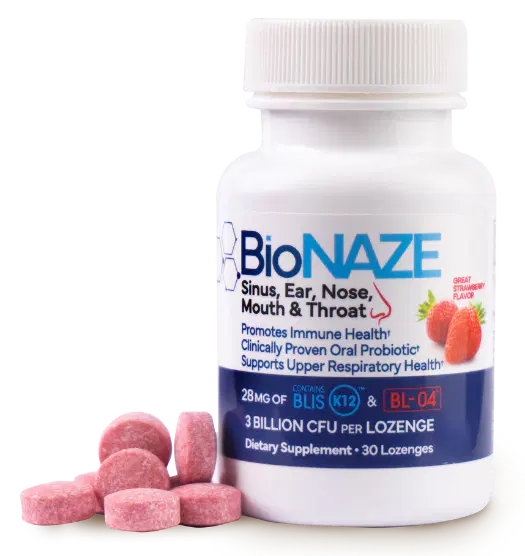
If you’re looking for targeted support for the issues covered in this article, BioNaze is an oral probiotic product that contains two clinically studied bacterial strains. It’s built around two patented, clinically studied strains:
- BLIS K12™ (Streptococcus salivarius K12): A strain of Streptococcus salivarius that naturally occurs in the oral cavity and has been studied for its potential role in oral and upper respiratory health.
- BL-04™ (Bifidobacterium Lactis BL-04): This strain has been studied for potential effects on immune function and upper respiratory health, although findings vary across studies.
BioNaze comes as a convenient lozenge. The product is marketed for oral and upper respiratory health support, though benefits may vary, and additional research is ongoing. Individuals interested in oral probiotics may wish to discuss products containing these strains with a healthcare professional.

Say Goodbye To Persistent Mucus-Related Bad Breath
Bad breath from throat mucus can be a sign of an underlying condition. These include postnasal drip, sinus infections, tonsil stones, allergies, or acid reflux. Temporary solutions might mask the odor, but they won’t fix the problem. Lasting improvement requires finding and treating the root cause. If your symptoms continue after trying home remedies, see a doctor. A healthcare professional can deliver an accurate diagnosis and treatment plan.
If you’re interested in supporting your oral, throat, and sinus health, Bionaze may be a helpful addition to your daily routine. Visit BioNaze to learn more about its clinically studied probiotic strains and determine whether it is a good fit for your needs.

This Content Has Been Reviewed For Factual Accuracy
This content has undergone thorough fact-checking by our team of internal experts. Learn more about the meticulous editorial standard for our website here.
Benefit From The Latest Advancements In Probiotic Science With Bionaze
Bionaze is a proprietary blend of probiotics proven to promote ear, nose, and throat health, improve digestion, and support your immune system. The active ingredients BLIS K12, and BL-04 are considered among the best probiotics according to science.
Get 25% Off Your First Order when you use BIO25 at checkout!
ADVERTISEMENT

About The Author
Hi, I’m Corinne Grace, a proud nursing graduate from Riverside College with a flair for writing. I specialize in health and wellness topics, using my educational background to weave informative and attention-grabbing articles that appeal to a wide variety of readers.