Why Does My Ear Hurt When I Swallow? Experts Explain
Published February 3, 2026
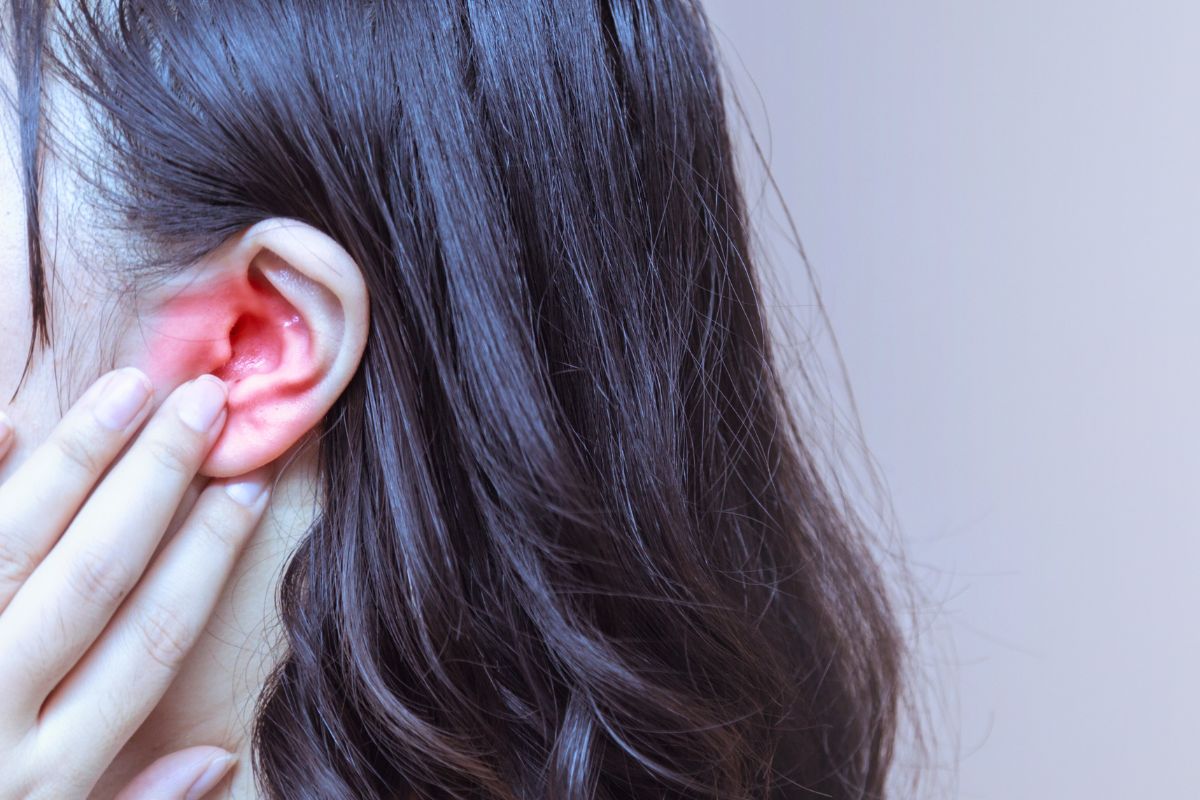
Ever wondered, “Why does my ear hurt when I swallow?” That sharp or dull ache can be both unsettling and frustrating. Swallowing and ear pain might seem unrelated, but they’re connected. The ears, nose, and throat are closely linked. Discomfort in one area can come from another. This type of pain can be caused by anything from a simple cold to more serious infections or even joint issues. Understanding the root of the problem is key to finding relief—and knowing when to seek help.
In this article, we’ll look into the most common reasons why your ear hurts when you swallow. We’ll explore the anatomy behind the problem, highlight key medical conditions, outline when to seek professional help, and share practical tips for relief and prevention.
Understanding Ear Pain When Swallowing
Pain in your ear when you swallow is a symptom, not a condition. Knowing how this pain presents itself and how the ear and throat are connected is the first step toward identifying the cause.
Common Patterns And How They Feel
The pain can range from a sharp, stab-like sensation to a dull, persistent ache. It might affect one or both ears and can also be triggered by yawning, talking, or chewing, since these movements use the same muscles as swallowing. Whether the pain is constant or intermittent can provide clues about its cause.
Anatomy 101: The Ear-Throat Connection
The middle ear links to the back of the throat and nasal cavity via a narrow passage called the Eustachian tube. Its primary function is to equalize pressure and facilitate drainage from the middle ear.
When you swallow, yawn, or sneeze, this tube opens briefly to regulate pressure. If it becomes inflamed or blocked, fluid and pressure build up. This imbalance is one of the most common reasons that swallowing triggers ear pain.
Main Causes Of Ear Pain With Swallowing
Common conditions that contribute to this discomfort include:
- Ear infections: Inflammation in the middle or outer ear makes pressure changes painful.
- Eustachian tube dysfunction: Blockages prevent pressure regulation, causing fluid build-up.
- Throat infections and tonsillitis: Throat inflammation often radiates pain directly to the ear.
- Tempomandibular joint (TMJ) disorders: Jaw joint tension can cause pain to flare in the ear during movement.
- Dental issues: Abscesses or impacted teeth often refer pain to the ear canal, particularly when swallowing.

Medical Conditions That Can Cause Pain When Swallowing
Eustachian Tube Dysfunction
Eustachian tube dysfunction occurs when the tubes get blocked. This is often due to colds, allergies, or sinus infections. This disrupts normal pressure regulation and drainage. Common symptoms include pain when swallowing. You may also notice a blocked or full sensation in the ear. Other signs include muffled hearing, popping sounds, or mild dizziness.
Tonsillitis, Pharyngitis, And Upper Respiratory Infections
Since the ear and throat share sensory nerve pathways, inflammation in the tonsils or the back of the throat can also cause ear pain. Tonsillitis, pharyngitis, and viral upper respiratory infections are common causes. These conditions often lead to a dull earache. The pain may sharpen when you swallow. This movement stretches and irritates the inflamed tissues.
Temporomandibular Joint (TMJ) Disorders
TMJ disorders typically involve a joint connecting your jaw to your skull. Because this joint is located near the ear canal, inflammation or strain is often felt as ear pain. This discomfort typically worsens when chewing, talking, or swallowing. Other symptoms include clicking sounds, jaw stiffness, headaches, and neck pain. These issues are frequently caused by nighttime teeth grinding or clenching.
Sinus Congestion And Post-Nasal Drip
Colds, flu, and allergies can cause sinuses to become inflamed and congested, which may block the Eustachian tubes. Additionally, post-nasal drip can irritate the throat and surrounding tissues. This combination often results in discomfort felt in both the throat and the ear, especially when swallowing.
When Pain With Swallowing Signals Something Serious
Ear pain when swallowing is often caused by mild or temporary conditions, but certain symptoms may need medical attention.
Signs You Should See A Healthcare Provider
Contact a healthcare professional if you experience any of the following:
- High fever
- Sudden or significant hearing loss
- Severe pain that doesn’t improve with pain relief
- Fluid or pus draining from the ear
- Symptoms that persist or worsen over several days
- Dizziness, balance issues, or swelling around the ear
Diagnostics Experts Use
A clinician will typically start with a physical examination, which may include:
- Otoscopy: An inspection of the ear canal and eardrum to check for infection, fluid, or damage.
- Throat swab: A test used to check for a bacterial throat infection.
- Imaging tests: X-rays, CT scans, or MRIs may be used if TMJ problems or structural issues are suspected.
Supportive Strategies And Prevention
Lifestyle Measures To Relieve Discomfort
Placing a warm compress on the ear can soothe aching and tension. If TMJ issues are the cause, gentle neck and jaw stretches may provide relief. Staying hydrated thins mucus. This helps with better drainage and reduces pressure in the sinuses and middle ear.
Over-The-Counter Relief Options
Pain medications such as ibuprofen or acetaminophen reduce pain and inflammation. For congestion, short-term use of decongestants may help by opening nasal passages and improving Eustachian tube function.
Can Oral Probiotics Help Prevent Ear Pain When Swallowing?
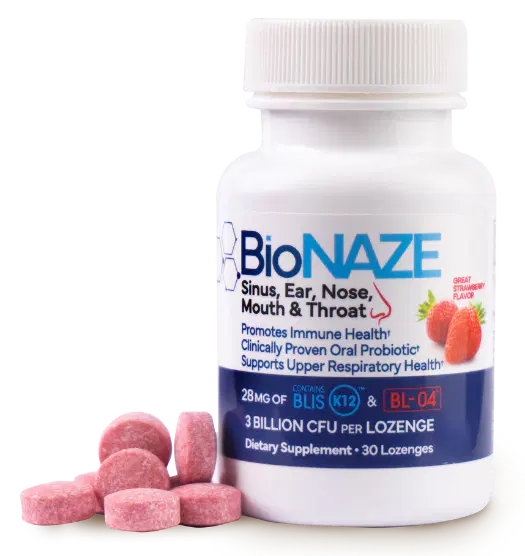
Oral probiotics such as BioNaze contain beneficial bacteria. They help balance the microbes in your mouth and upper respiratory tract. While they don’t treat active ear infections, research suggests they may help with prevention.
A healthy microbiome in the upper airway can lower the risk of throat infections and inflammation. These are common causes of referred ear pain. Oral probiotics can support general health. However, they shouldn’t replace medical treatment for symptoms.
Other Preventive Tips For Ear-Throat Health
Observing good hygiene, especially during cold and flu season, helps prevent the spread of infections. Avoiding smoking and second-hand smoke reduces irritation in the nasal passages and throat. Managing allergies effectively can also minimize the risk of congestion that may lead to Eustachian tube issues.
Frequently Asked Questions
Why does my ear hurt when I swallow, but not all the time?
Intermittent pain often results from fluctuating congestion. When you have a cold or allergies, the levels of swelling and mucus can vary during the day. This can cause temporary blockages and pressure changes that only become painful at certain times.
Can allergies cause ear pain when swallowing?
Yes, allergies causing inflammation in the nose and sinuses can impact the Eustachian tubes. When you swallow and pressure changes, a blocked tube may cause discomfort.
Is it normal for children to complain about ear pain when swallowing?
Yes, this is very common. Children have shorter Eustachian tubes that are more horizontal. This makes them more likely to experience blockages and middle ear infections. Enlarged adenoids and frequent throat infections also contribute to this discomfort.
When should I worry that it’s an ear infection?
Persistent pain, worsening symptoms, fever, ear discharge, and hearing difficulties are common warning signs of infection. In young children, signs may include irritability and tugging at the ear.
Are oral probiotics recommended to prevent ear issues?
Research is exploring oral probiotics as a way to prevent recurrent throat and upper respiratory infections. Their effect is preventive, not curative, and the evidence is still emerging.
Why Choose BioNaze
Ear pain when swallowing is common. It often stems from inflammation or recurring infections in the throat or upper airway. These areas are connected by the Eustachian tube. Supporting this throat-ear connection may help with prevention.
BioNaze is a specialized oral probiotic. It supports the upper respiratory system. It does this by delivering beneficial bacteria directly to the mouth and throat. Each lozenge contains two clinically studied probiotic strains:
- BLIS K12™ (Streptococcus salivarius K12): a naturally occurring oral strain that colonizes the mouth and throat and helps limit the growth of unwanted bacteria linked to recurrent infections.
- BL-04™ (Bifidobacterium Lactis BL-04): selected to complement immune balance and promote overall upper respiratory tract health.
By supporting a healthy oral microbiome, BioNaze offers a proactive way to reduce the infections and inflammation that lead to discomfort, such as ear pain when swallowing. It’s not a replacement for medical treatment for active symptoms.

Take Control Of Ear–Throat Health And Prevent Pain When Swallowing
Ear pain when swallowing is often caused by inflammation, congestion, or pressure imbalances. These issues occur in the structures linking the ear and throat. Common triggers can include infections, allergies, sinus congestion, and TMJ disorders. These often lead people to ask, “why does my ear hurt when I swallow?” Supportive measures like hydration and lifestyle changes can help manage symptoms. However, you should always see a doctor for persistent or severe pain.
Ready to take control of your ENT health? Discover BioNaze, an innovative formula with patented probiotic strains. These strains target and help prevent chronic issues in the sinuses, ears, nose, throat, and mouth. Fortify your natural defenses and promote long-term respiratory wellness today.
Benefit From The Latest Advancements In Probiotic Science With Bionaze
Bionaze is a proprietary blend of probiotics proven to promote ear, nose, and throat health, improve digestion, and support your immune system. The active ingredients BLIS K12, and BL-04 are considered among the best probiotics according to science.
Get 25% Off Your First Order when you use BIO25 at checkout!

This Content Has Been Reviewed For Factual Accuracy
This content has undergone thorough fact-checking by our team of internal experts. Learn more about the meticulous editorial standard for our website here.
ADVERTISEMENT

About The Author
Hi, I’m Corinne Grace, a proud nursing graduate from Riverside College with a flair for writing. I specialize in health and wellness topics, using my educational background to weave informative and attention-grabbing articles that appeal to a wide variety of readers.