Rhinitis Vs Sinusitis: Causes, Symptoms, And Best Treatments

Published November 17, 2025
Tired of a stuffy, runny nose that won’t go away? You’re not alone—and that discomfort could be a sign of something bigger. Two common culprits behind these persistent symptoms are rhinitis and sinusitis. But when it comes to rhinitis vs sinusitis, knowing the difference is key. They feel similar and may co-occur, but their causes, symptoms, and treatments differ. Identifying your nasal issue is the first step to relief.
In this article, we’ll explore the key differences between rhinitis and sinusitis, including their causes, symptoms, treatments, preventive tips, and when to consult a doctor. Knowing the source helps you find the right solution and breathe easier.
Understanding Rhinitis Vs Sinusitis
Both affect the nasal and sinus regions but begin in different areas and have distinct features. Understanding each condition clarifies your symptoms.
What Are Rhinitis And Sinusitis?
Rhinitis is inflammation of the mucous membranes inside the nose and commonly causes sneezing, congestion, and a runny nose. It can be allergic, caused by allergens like pollen. Or it can be non-allergic, triggered by irritants or environmental factors.
Sinusitis is inflammation of the sinus cavities. These are air-filled spaces in the skull. It causes blocked drainage, facial pressure, and thick nasal discharge.
Why Are These Conditions Commonly Confused?
Both conditions cause nasal congestion and a runny nose. Severe rhinitis can block sinus openings, sometimes leading to sinusitis, making it hard to tell them apart without medical advice.
How Each Condition Affects The Body
Rhinitis causes swelling in the nasal passages. It leads to excess clear mucus due to an overactive immune response.
Sinusitis affects the sinus cavities. It causes inflammation and blockages that trap mucus. This can lead to pressure, pain, and a thick, colored discharge.
The Difference Between Rhinitis And Sinusitis
Where Inflammation Occurs
Rhinitis affects the nose, while sinusitis impacts the sinus cavities around the nose, cheeks, forehead, and eyes.
Duration And Triggers
- Rhinitis may be seasonal or chronic due to allergens, irritants, weather, or hormones.
- Sinusitis usually starts with an infection. These can be viral or bacterial. It can also be caused by ongoing inflammation from allergies.
Acute Vs Chronic Forms
- Both rhinitis and sinusitis can be acute or chronic.
- The chronic form lasts for months in the case of rhinitis, or 12+ weeks for sinusitis.
When Rhinitis Leads To Sinusitis
Chronic rhinitis swelling blocks the sinuses, hinders drainage, and causes infection. This occurs with uncontrolled allergies or structural nose issues.

What Causes Rhinitis?
Rhinitis is broadly categorized based on its cause: allergic or non-allergic.
Allergic Triggers
The immune system overly reacts to allergens such as:
- Pollen
- Dust mites
- Pet dander
- Mold spores
Non-Allergic Triggers
Common non-allergic triggers include:
- Smoke, strong odors, and chemical fumes
- Changes in the weather
- Hormonal shifts
- Certain medications
Risk Factors
Certain factors increase your risk. These include a family history of allergies, asthma, or eczema. Frequent exposure to airborne irritants also plays a role.
What Causes Sinusitis?
While sinusitis is typically caused by an infection, it can also be influenced by underlying issues.
- Viral infections. Most cases begin with a cold, inflaming the nasal passages and sinuses.
- Bacterial sinusitis. A viral infection may cause a blockage. A persistent blockage traps mucus, letting bacteria grow. Symptoms worsen and last longer.
- Structural issues. Structural issues such as a deviated septum or nasal polyps can block sinus drainage. This increases the risk of recurring or chronic sinusitis.
- Chronic allergies. Allergic inflammation narrows sinus openings, increasing the likelihood of chronic sinusitis.
Symptom Comparison: Sinusitis Vs Rhinitis
While certain symptoms overlap, it’s important to recognize how each condition uniquely presents; the nature and location of discomfort, as well as changes in mucus, can help you tell them apart.
Typical Rhinitis Symptoms
- Sneezing
- Clear, watery, runny nose
- Itchy nose, eyes, or throat
- Clear postnasal drip
Typical Sinusitis Symptoms
- Facial pain or pressure
- Thick yellow or green mucus
- Nasal congestion
- Reduced smell or taste
- Headache or fever
Overlapping Symptoms To Watch For
Both cause congestion, a runny nose, and postnasal drip. However, one typically produces thin, clear mucus, while the other often leads to thicker, discolored mucus.
Red Flags Requiring Medical Attention
Seek medical care if you experience:
- High or persistent fever
- Symptoms that last over 10 days
- Severe facial pain
- Changes in vision
Best Treatment For Rhinitis
Rhinitis treatment aims to reduce inflammation and manage trigger exposure.
Over-The-Counter Antihistamines
Oral antihistamines block histamine, reducing sneezing, itching, and a runny nose for those with allergic rhinitis.
Nasal Sprays And Decongestants
- Steroid sprays reduce inflammation effectively.
- Decongestant sprays provide short-term relief but should not be used for more than a few days.
Allergen Avoidance And Lifestyle Tips
Avoiding triggers is crucial for managing allergic rhinitis. This includes the following:
- Using air purifiers
- Keeping windows closed during pollen season
- Frequently washing bedding in hot water to eliminate dust mites.
Immunotherapy
This treatment can desensitize the immune system for those with severe or persistent allergies.

Best Treatment For Sinusitis
Sinusitis treatment focuses on improving sinus drainage and clearing infection.
Saline Irrigation And Nasal Steroids
Rinsing nasal passages with saline solution helps clear mucus and irritants. Nasal steroid sprays reduce swelling in the nose and sinus openings, promoting drainage.
When Antibiotics Are Needed
Antibiotics are only for bacterial sinusitis, typically when symptoms last over 10 days or worsen after initial improvement.
Home Remedies For Symptom Relief
- Warm compresses
- Hydration
- Humidifiers
Surgical Options For Chronic Or Recurrent Sinusitis
For chronic cases or structural blockages, a procedure such as functional endoscopic sinus surgery (FESS) might be suggested.
Prevention Tips For Rhinitis And Sinusitis
Taking a proactive approach can help lessen the frequency and severity of rhinitis and sinusitis episodes.
Strengthening The Immune Defenses
Observing healthy habits like getting enough sleep, regular exercise, and eating a proper diet can help support your immune system.
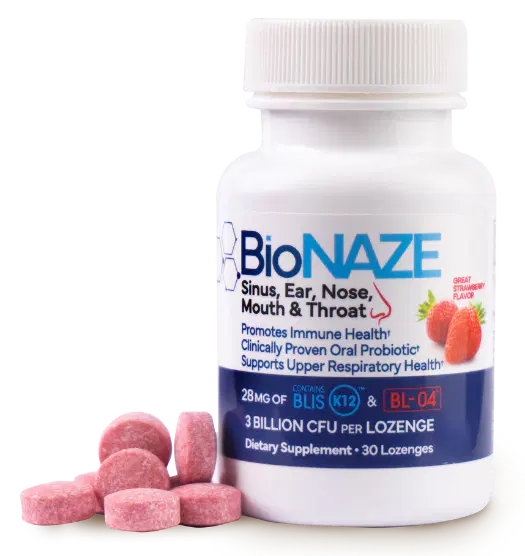
Because the microbiome influences nasal and throat health, some people also use targeted probiotics. Bionaze is designed to support beneficial bacteria in the ear, nose, and throat, which may help reduce chronic issues.
Managing Allergens And Environmental Irritants
If you have allergies, work with a doctor to identify and avoid your trigger. Additionally, minimize exposure to smoke, chemical fumes, and other non-allergenic irritants.
Good Nasal And Sinus Health Practices
Using a saline nasal rinse regularly helps keep your nasal passages clear, removing irritants and excess mucus while reducing inflammation and preventing blockages.
When To See A Doctor
- Persistent or severe symptoms. If symptoms persist for over 10 days or become severe, consult a doctor for diagnosis and treatment.
- Symptoms that suggest infection. Do you have a persistent fever? Is your nasal discharge thick, green, or yellow? Do you feel severe facial pain? These could be signs of a bacterial infection. If so, you need medical attention.
- When self-care isn’t enough. Over-the-counter remedies don’t always work. If you don’t find relief, see a doctor. They can diagnose the cause and prescribe a more effective treatment.
Frequently Asked Questions
Can rhinitis turn into sinusitis?
Yes, chronic rhinitis can block sinus drainage, raising the risk of a sinus infection.
How do doctors diagnose sinusitis vs rhinitis?
Doctors diagnose by reviewing symptoms, conducting a physical exam, nasal endoscopy, and sometimes CT scans for chronic sinusitis.
Which condition causes more severe symptoms?
Sinusitis, especially bacterial, typically causes more intense discomfort.
Can probiotics help with chronic sinus or throat issues?
Yes, though Bionaze is not a substitute for medical treatment. Research shows its probiotic strains support a healthier microbiome in the mouth, nose, and throat. These probiotics can help reduce chronic sinus, ear, nose, and throat issues.
What’s the best treatment for chronic rhinitis or chronic sinusitis?
Chronic rhinitis is often treated with daily nasal corticosteroid sprays and trigger avoidance. For chronic sinusitis, treatment options vary. They may include nasal steroids, saline rinses, and allergy management. In some cases, surgical drainage is necessary.
Why Choose Bionaze
If you struggle with chronic ear, nose, and throat issues, it’s important to support your body’s natural defenses. Bionaze offers a proactive approach to sinus and nasal health. This innovative oral probiotic contains two patented strains: BLIS K12™ (Streptococcus salivarius K12) and BL-04™ (Bifidobacterium Lactis BL-04). These strains were chosen for their ability to populate the nasal and oral cavities with good bacteria.
Bionaze helps crowd out the harmful bacteria that can cause chronic sinus, ear, nose, and throat problems. This creates a healthier microbiome and supports long-term respiratory wellness.

The Bottom Line: Treat Strep Right And Strengthen Your Throat Health
Can strep heal on its own? In mild cases, it might, but seeking diagnosis and proper treatment is the safest option to avoid complications, limit the spread of infection, and prevent recurrence. Early recognition, testing, and treatment enhance comfort, prevent spreading, and protect long-term health. Consistent home care and prevention are important parts of recovery.
Take charge of your throat and sinus health—add Bionaze to your daily routine now. This targeted probiotic blend will help strengthen your defenses, maintain your well-being, and support a healthier mouth, throat, and respiratory system. Start today and experience the benefits yourself.
Benefit From The Latest Advancements In Probiotic Science With Bionaze
Bionaze is a proprietary blend of probiotics proven to promote ear, nose, and throat health, improve digestion, and support your immune system. The active ingredients BLIS K12, and BL-04 are considered among the best probiotics according to science.
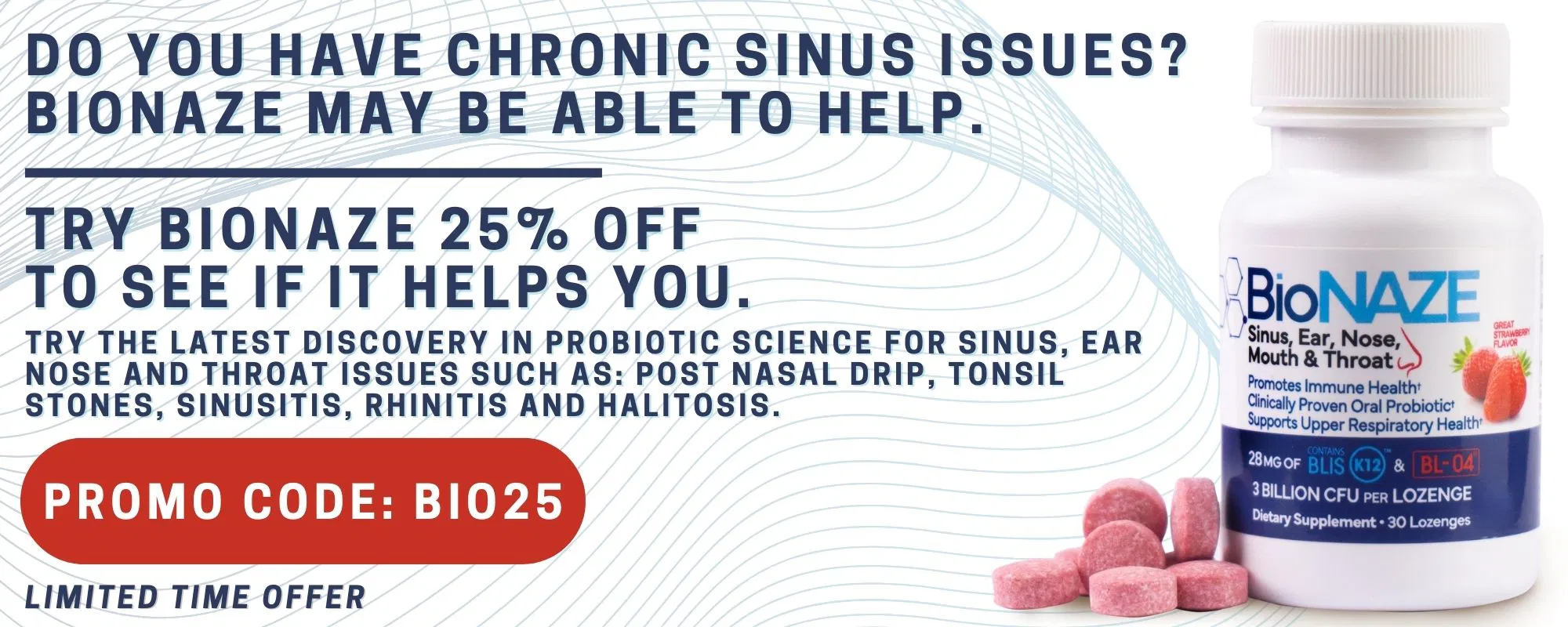
Get 25% Off Your First Order when you use BIO25 at checkout!

This Content Has Been Reviewed For Factual Accuracy
This content has undergone thorough fact-checking by our team of internal experts. Learn more about the meticulous editorial standard for our website here.
ADVERTISEMENT

About The Author
Hi, I’m Corinne Grace, a proud nursing graduate from Riverside College with a flair for writing. I specialize in health and wellness topics, using my educational background to weave informative and attention-grabbing articles that appeal to a wide variety of readers.