How Long Does It Take to Get Your Taste Back After the Flu?

Published December 15, 2025
Recovering from the flu feels like a victory—no more fever, aches, or congestion. Just when you feel normal again, you might notice something frustrating: your favorite foods taste bland, and drinks lose their appeal. This often-overlooked flu symptom can make meals feel dull and joyless. It’s a disorienting final hurdle that leaves many asking, “How long does it take to get your taste back after the flu?”
In this article, we’ll explain why the flu temporarily affects your sense of taste, how taste and smell are connected, what a typical recovery timeline looks like, and what you can do to support healing. We’ll also cover when lingering taste loss may warrant medical attention.
Why Are Taste Changes Common During And After The Flu
Losing your sense of taste during the flu is common and usually temporary. While the flu is known for fever, fatigue, and body aches, it also affects the upper respiratory system. This is the system responsible for how you experience flavor.
Taste loss during the flu isn’t imagined or psychological. It has a clear biological basis tied primarily to inflammation and obstruction in the nasal passages.
How Taste And Smell Are Connected In Upper Respiratory Illnesses
Although your tongue detects basic tastes such as sweet, salty, sour, and bitter, most of what you perceive as flavor actually stems from your sense of smell. When you chew, aroma molecules travel from your mouth to olfactory receptors located high in the nasal cavity. Your brain then combines smell and taste signals into a full flavor experience.
When you have the flu, your nose gets stuffy. Nasal congestion and sinus inflammation block the aroma molecules. These molecules can no longer reach the olfactory receptors. As a result, your brain receives only limited taste input from the tongue, making food seem flat or one-dimensional. Until this blockage resolves, your sense of taste remains muted.
How Long Does It Take To Get Your Taste Back After The Flu?
After acute flu symptoms subside, many people find their sense of taste takes longer to return. While this can be unsettling, recovery typically follows a predictable process.
Typical Recovery Timeline For Taste After The Flu
For most people, taste returns as nasal congestion and inflammation subside:
- Days 1-5: During the peak of illness, taste is often significantly reduced or completely absent.
- Days 7-14: As inflammation decreases, smell and taste gradually improve, with stronger flavors and scents returning first.
- By two weeks: Most people regain their usual sense of taste within two weeks after flu symptoms resolve.
Short-Term Vs Prolonged Loss Of Taste
Short-term taste loss is typically caused by sinus congestion, which blocks physical pathways. Once the congestion clears, taste usually returns. However, in some cases, post-viral inflammation can irritate the olfactory nerves, delaying recovery.
This extended loss of taste, which may last several weeks, is still generally temporary. The sensory nerves often need additional time to heal fully after being affected by the virus.
When Gradual Improvement Is A Normal Part Of Healing
Recovering your sense of taste takes time and doesn’t happen instantly. Many people notice:
- Faint or incomplete flavors
- Daily variations in taste
- Slightly altered or unfamiliar sensations
These changes are normal signs of recovery and not evidence of permanent damage.

What Causes Loss Of Taste And Smell With The Flu?
Diminished taste and smell during the flu happens because the influenza virus impacts parts of the upper respiratory system responsible for flavor perception. Since taste and smell are closely connected, food often seems bland when your sense of smell is reduced.
Here’s why the flu can disrupt your ability to taste and smell:
Sinus Inflammation (Sinusitis)
Sinus inflammation causes the nasal cavities to swell, narrowing or blocking the airflow. This swelling prevents odor molecules from reaching the olfactory receptors in your nose. Without these scent signals, your brain can’t interpret flavor correctly, which reduces your sense of taste.
Nasal Congestion And Excess Mucus
Flu-related inflammation often causes excess mucus, blocking nasal passages and reducing your sense of smell. Severe congestion can lead to temporary loss of smell, which also affects your sense of taste until it clears.
Swollen Taste Buds
The flu can affect your sense of taste by causing inflammation that makes your taste buds swell. Since taste buds detect sweet, salty, sour, bitter, and umami flavors, this swelling can reduce taste sensitivity or even distort flavors, leading to a metallic or bitter taste.
Dehydration
Dehydration is an often-overlooked cause of taste and smell loss during an illness. A lack of fluids means your body produces less saliva, resulting in a dry mouth that can’t properly detect flavors. Dehydration also thickens nasal mucus, making it harder for smells to reach your olfactory receptors.
Side Effects Of Cold And Flu Medications
Certain cold and flu medications, like some antihistamines and decongestants, can result in dryness of your nasal passages. This dryness may temporarily reduce your sense of smell and taste. The effects usually stop once you finish the medication, but consult a healthcare provider if they continue.
Can You Lose Taste And Smell With A Cold?
The common cold can temporarily affect taste and smell due to nasal congestion and inflammation. When cold viruses cause swelling and excess mucus in the nasal passages, odor molecules can’t reach the olfactory receptors in the nose. Since smell is essential to how we perceive flavor, this often results in a noticeable reduction in taste.
Compared to the flu, the loss of taste and smell caused by a cold is usually milder and less consistent. You may still recognize basic tastes, but food may seem bland or less flavorful. In contrast, the flu often triggers more severe inflammation, leading to a stronger and longer-lasting disruption of these senses.
In most cases, taste and smell return within a few days to a week after cold symptoms peak. As congestion clears and inflammation reduces, sensory function typically recovers quickly, reflecting the milder and shorter duration of colds compared to the flu.
Factors That Influence How Quickly Taste Returns
Several factors influence how long it takes to regain your sense of taste after the flu:
- Severity of the flu: Severe or prolonged cases often cause more inflammation, leading to a slower sensory recovery.
- Sinus infections and complications: Secondary sinus infections can prolong congestion and delay taste recovery until properly treated.
- Age, immune health, and medical conditions: Older age, weakened immunity, allergies, or chronic sinus issues can extend the recovery process.
How To Support Taste Recovery After The Flu
While recovery takes time, you can support your body’s healing process.
Manage Congestion And Nasal Inflammation
- Utilize saline nasal rinses or sprays to clear mucus.
- Try steam inhalation to soothe the nasal passages.
- Use decongestants for a short period, if appropriate.
Hydration, Nutrition, And Rest
- Stay hydrated to help thin mucus.
- Eat nutritious foods, even if your sense of taste is reduced.
- Get plenty of rest to support your immune system.
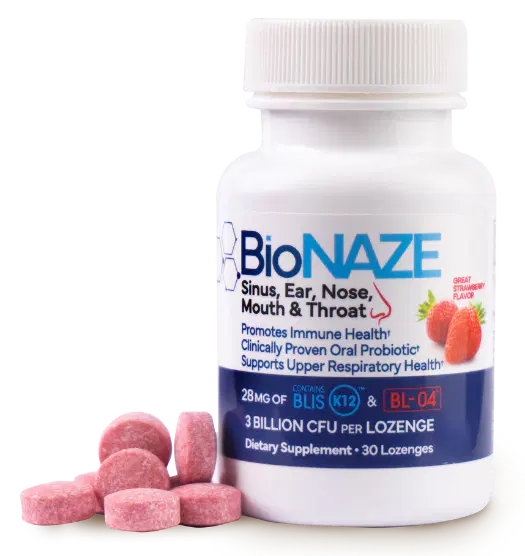
As a preventive measure, Bionaze uses two patented probiotic strains, BLIS K12™ (Streptococcus salivarius K12) and BL-04™ (Bifidobacterium Lactis BL-04), to help reduce the risk of chronic issues in the sinuses, ears, nose, throat, mouth, gums, and teeth. It supports a healthy upper respiratory microbiome to maintain clearer sinuses, reduce inflammation, and protect your taste and smell. When combined with healthy habits, Bionaze promotes long-term respiratory wellness and helps minimize taste disturbances caused by congestion.
When To See A Doctor About Ongoing Taste Loss
When Taste Loss May Not Be Flu-Related
Consult a doctor if you experience taste loss without congestion or if it follows:
- A head injury
- Neurological symptoms
- Chemical exposure
- A sudden onset unrelated to illness
Prolonged Taste And Smell Loss After The Flu
If taste and smell don’t improve weeks after recovering from the flu, consider seeing a healthcare provider or ENT specialist.
Tests And Specialist Referrals
Evaluation may involve a nasal exam, imaging, or smell tests to check for inflammation or structural problems.
Frequently Asked Questions
Is loss of taste and smell with a cold normal?
Yes. Congestion from colds commonly blocks smell pathways, temporarily dulling taste.
Can the flu cause permanent loss of taste or smell?
Permanent loss is extremely rare. Most cases resolve fully over time.
What helps speed up taste recovery after the flu?
Reducing congestion, staying hydrated, resting, and supporting nasal health can help. Some specialists also recommend smell training if recovery is slow.
How do I know if my taste loss is from a cold, flu, or something else?
Taste loss accompanied by congestion and flu-like symptoms is usually viral. Sudden loss without illness should be medically evaluated.
Can you lose your sense of smell with a cold?
Yes, a cold can temporarily affect your sense of smell. Nasal congestion blocks odor molecules from reaching olfactory receptors, but this usually improves as the congestion clears.
Why Choose Bionaze
Bionaze supports sinus, nasal, and upper respiratory health, which are key to your sense of taste and smell. Its formula contains two patented probiotic strains, BLIS K12™ (Streptococcus salivarius K12) and BL-04™ (Bifidobacterium Lactis BL-04), which help maintain a healthy oral and nasal microbiome. By supporting your body’s natural defenses and promoting clearer sinuses, Bionaze can help you recover from congestion and inflammation—common causes of temporary taste and smell loss. Daily use can contribute to long-term respiratory wellness, helping you enjoy flavors to the fullest again.

Moving Forward After Flu-Related Taste Loss
Taste loss after the flu is common, temporary, and usually caused by nasal inflammation that disrupts your sense of smell. If you’re wondering “how long does it take to get your taste back after the flu,” most people regain normal taste within two weeks, though recovery can take longer in more severe cases. Rest, hydration, and congestion relief can help speed up your recovery. However, if taste loss continues for several weeks or happens without other flu symptoms, you should seek medical advice.
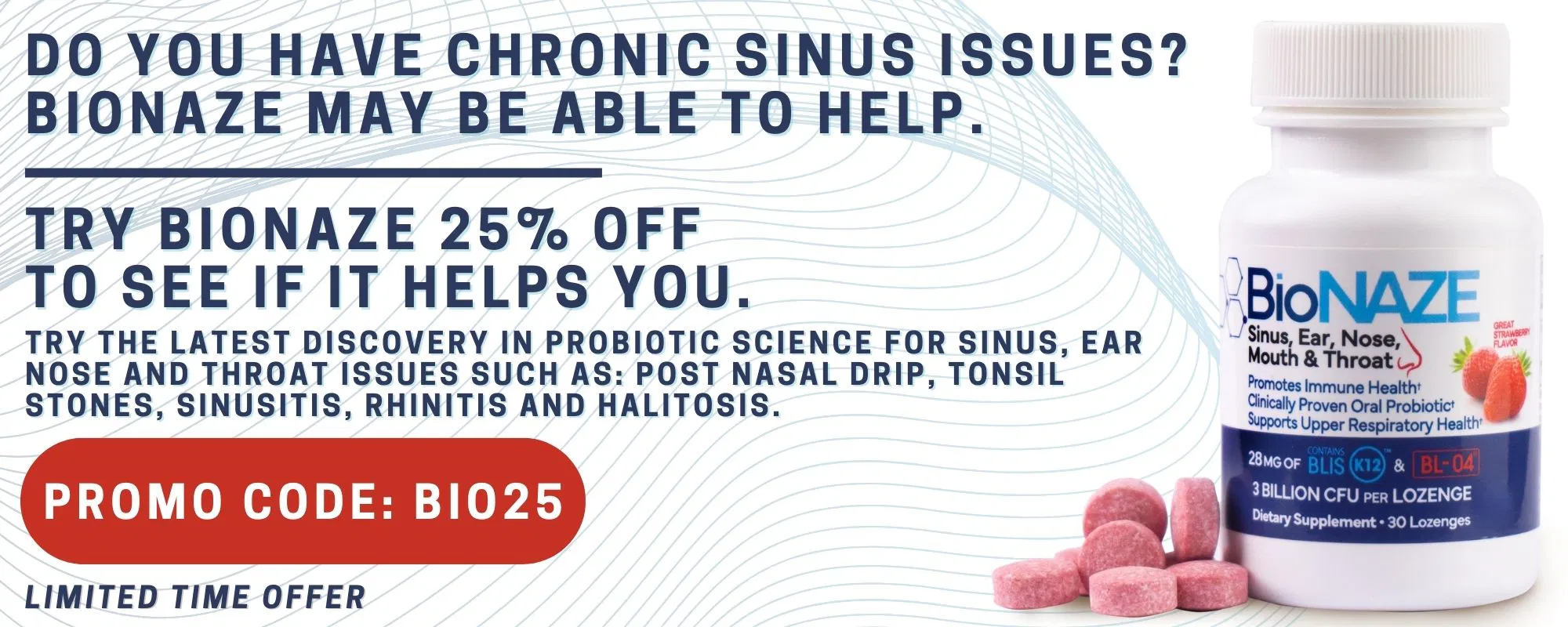
Take charge of your sinus and respiratory health with Bionaze. This innovative formula features two patented probiotic strains to support long-term sinus, ear, nose, and throat wellness. Give your body daily support for a healthy respiratory system.
Benefit From The Latest Advancements In Probiotic Science With Bionaze
Bionaze is a proprietary blend of probiotics proven to promote ear, nose, and throat health, improve digestion, and support your immune system. The active ingredients BLIS K12, and BL-04 are considered among the best probiotics according to science.
Get 25% Off Your First Order when you use BIO25 at checkout!

This Content Has Been Reviewed For Factual Accuracy
This content has undergone thorough fact-checking by our team of internal experts. Learn more about the meticulous editorial standard for our website here.
ADVERTISEMENT

About The Author
Hi, I’m Corinne Grace, a proud nursing graduate from Riverside College with a flair for writing. I specialize in health and wellness topics, using my educational background to weave informative and attention-grabbing articles that appeal to a wide variety of readers.