Breath Smells After Brushing: Is It Your Microbiome?

Published November 24, 2025
Ever wonder why your breath smells after brushing, even when you’re doing everything by the book? You floss, brush for two minutes, and rinse—but that bad breath odor is still there. It’s frustrating when you’ve scrubbed away last night’s garlic and perfected your brushing technique. The real issue might be an invisible culprit hiding inside your mouth.
In this article, we’ll explore why fresh breath fades so quickly and what role the oral microbiome plays in causing bad breath. We’ll discuss why traditional hygiene may not be enough and share science-backed ways to restore your mouth’s ecosystem. Ready to fight bad breath? Keep reading for lasting freshness.
Why Does Breath Smells After Brushing
Brushing eliminates food debris and plaque from your teeth. However, it doesn’t always reach odor-causing areas like your tongue, gumline, cheeks, and throat. Bacteria in these spots can continue producing gases, causing your breath to smell bad even after you’ve brushed.
Common Reasons Your Breath Smells Bad Even After Brushing
While the oral microbiome plays a major role, several contributing factors add up to persistent bad breath:
- Poor oral hygiene: Not flossing or rushing while brushing can leave behind food particles. The same goes for forgetting to clean dental appliances. This leftover food then feeds odor-causing bacteria.
- Dry mouth: Saliva naturally cleans your mouth by washing away bacteria and neutralizing acids. Once your mouth dries up due to dehydration, sleep, or certain medications, odor-producing bacteria can thrive. Smoking and drinking alcohol can also trigger dry mouth.
- Post-nasal drip and sinus problems: Mucus draining from the back of the nose can feed bacteria. This provides extra protein and causes a noticeable odor.
- Gastrointestinal or systemic causes: Acid reflux (GERD) and metabolic disorders like diabetes, kidney disease, or liver issues can cause foul-smelling gases. These gases form when oral bacteria break down certain compounds.
- Mouth infections and gum disease: Cavities, open wounds, and deep gum pockets can trap bacteria. Brushing alone can’t remove them, leading to persistent bad breath.
All these factors contribute to bad breath, but the main issue is usually an imbalance in the bacteria living in your mouth—your oral microbiome.
Your Oral Microbiome: The Hidden Link To Lingering Odor
Your mouth houses hundreds of bacteria. A balanced oral microbiome supports healthy teeth, gums, and fresh breath. But when this balance is disrupted—a condition known as dysbiosis—odor-producing bacteria can take over.
These bacteria degrade proteins and release volatile sulfur compounds (VSCs). VSCs cause unpleasant odors and are a leading cause of chronic bad breath. These bacteria hide in the grooves of your tongue and within biofilm. Regular brushing can’t completely remove them. This is why bad breath can linger even after brushing.
What Causes A Microbiome Imbalance?
- Alcohol-based mouthwash
- Smoking or vaping
- A diet packed with sugar or processed foods
- Stress
- Illness or medications like antibiotics
- Poor sleep or mouth breathing
- Dehydration
Brushing alone won’t rebalance your oral microbiome. You must make lifestyle changes that support good bacteria and reduce bad ones.
How To Fix Breath That Smells Bad After Brushing
To really freshen your breath after brushing, you need to target hidden bacteria and buildup that your toothbrush doesn’t reach.
Clean Your Tongue Daily
Utilize a tongue scraper to get rid of the bacterial coating, paying special attention to the back of your tongue.
Stay Hydrated And Manage Dry Mouth
Drink plenty of water throughout the day. Limit your intake of caffeine and alcohol. You can also chew sugar-free xylitol gum. This will help stimulate saliva production.
Break Down Biofilm More Effectively
Use a water flosser to help reduce biofilm. Try interdental brushes for hard-to-reach areas. Get professional cleanings to remove odor-causing bacteria.
Use Targeted Oral Probiotics
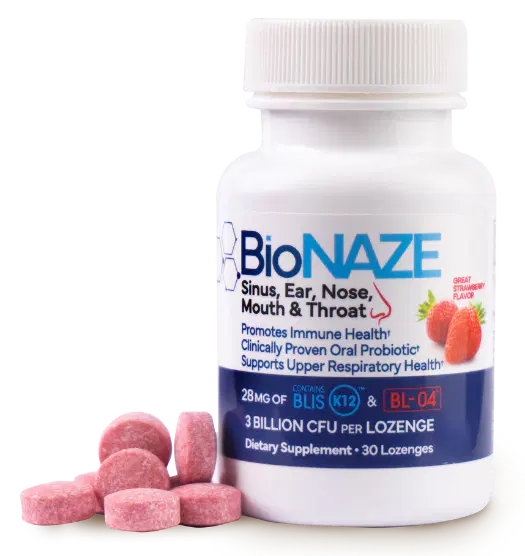
Oral probiotics restore balance by introducing beneficial bacteria that crowd out the sulfur-producing microbes, causing persistent odor. Bionaze, with its patented strains BLIS K12™ (Streptococcus salivarius K12) and BL-04™ (Bifidobacterium Lactis BL-04), is designed to support the oral, sinus, and throat microbiome. Unlike mints or antiseptic rinses, it works at the microbial level to address the root cause of bad breath, not just mask the symptoms.
Dietary Changes
Eating less sugar helps starve harmful bacteria. Crunchy, fiber-rich foods work like a natural toothbrush. They stimulate saliva flow and help cleanse your mouth.
When To See A Dentist Or Doctor
Consult a professional if:
- Bad breath lasts for more than a few weeks
- Your gums are swollen or bleeding
- You suspect a sinus infection, tonsil stones, or acid reflux
- You have chronic dry mouth
- Your odor worsens despite improvements to your oral hygiene
Dental exams can reveal hidden decay, infections, or gum disease. Medical evaluations can detect sinus or digestive issues.
Frequently Asked Questions
Can an imbalanced oral microbiome make my breath smell even after brushing?
Yes, an imbalanced oral microbiome can cause bad breath. When these odor-producing bacteria overgrow, they release sulfur compounds. These compounds can linger even after brushing.
Why does my breath smell bad after a morning brushing session?
Bad breath often comes from the tongue, gumline, throat, or biofilm, which are areas that brushing alone can’t completely clean.
Does tongue scraping really help?
Yes. Tongue scraping removes bacteria and food particles from the surface of your tongue, a common source of bad breath.
Can probiotics improve bad breath?
Yes, oral probiotics can rebalance your mouth’s microbiome, reducing the bacteria that cause bad breath.
Is bad breath always a dental problem?
Not necessarily. Sinus problems, tonsil stones, dry mouth, GERD, and certain medical conditions can all play a role.
Why Choose Bionaze
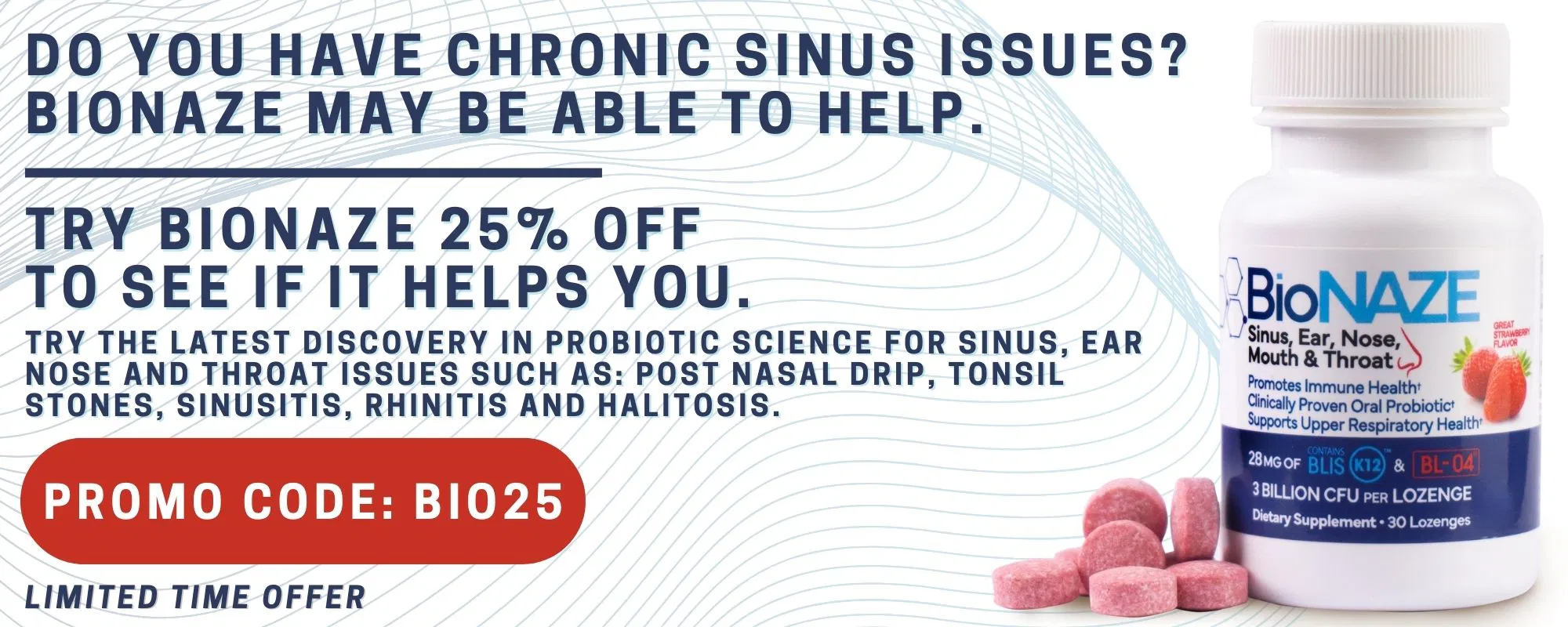
If brushing doesn’t resolve persistent bad breath, Bionaze provides a targeted solution. It contains two clinically proven, patented probiotic strains — BLIS K12™ (Streptococcus salivarius K12) and BL-04™ (Bifidobacterium Lactis BL-04) — formulated to support balance in your mouth, throat, and sinuses.
- Promotes oral, ENT, and respiratory health
- Reduces odor-causing bacteria for long-lasting fresh breath
- Slow-dissolving lozenge ensures effective probiotic colonization.
- Strawberry-flavored and xylitol-sweetened, safe for teeth
Mints and harsh mouthwashes just cover up bad breath. Bionaze tackles the problem at its source. It works on a microbial level to address the root cause of persistent bad breath.
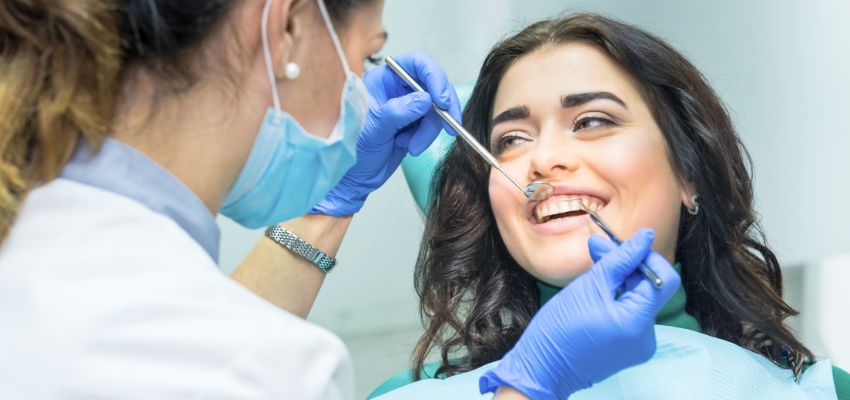
Take Control Of Your Breath: Restore Balance For Long-Lasting Freshness
If your breath smells after brushing, the main cause is often more than basic oral hygiene. Lasting freshness depends on understanding and improving your oral microbiome with proper cleaning, hydration, microbiome support, and professional help.
Lasting oral health means caring for your diet, hydration, and oral microbiome. If chronic bad breath or ENT issues persist, consider targeted probiotics like Bionaze to help restore a healthy balance and your confident smile.
Benefit From The Latest Advancements In Probiotic Science With Bionaze
Bionaze is a proprietary blend of probiotics proven to promote ear, nose, and throat health, improve digestion, and support your immune system. The active ingredients BLIS K12, and BL-04 are considered among the best probiotics according to science.
Get 25% Off Your First Order when you use BIO25 at checkout!

This Content Has Been Reviewed For Factual Accuracy
This content has undergone thorough fact-checking by our team of internal experts. Learn more about the meticulous editorial standard for our website here.
ADVERTISEMENT

About The Author
Hi, I’m Corinne Grace, a proud nursing graduate from Riverside College with a flair for writing. I specialize in health and wellness topics, using my educational background to weave informative and attention-grabbing articles that appeal to a wide variety of readers.