
How To Recognize And Manage Acute Otitis Media

Published March 16, 2026
A throbbing pain deep inside your ear is hard to ignore. The sudden muffled hearing and intense pressure can leave you feeling off-balance and desperate for relief. Ear infections aren’t just for children; in adults, they can be painful and may signal underlying health issues. This condition is called acute otitis media. It requires prompt medical attention. The ear, nose, and throat are linked together, so an infection in one area can easily spread.
In this article, we’ll explore acute otitis media in adults, including how these infections develop, their common symptoms, and how doctors diagnose them. We’ll also cover treatment options and strategies to help reduce the risk of future infections.
What Is Acute Otitis Media?
Acute otitis media is a sudden infection or inflammation of the middle ear, the air-filled area behind the eardrum. This inflammation can cause significant discomfort and hearing problems. Acute otitis media appears quickly. It often follows a respiratory illness. This is different from chronic ear conditions, which develop over time.
How Middle Ear Infections Develop
An infection usually begins when fluid accumulates behind the eardrum. This happens when the Eustachian tubes, which drain fluid from the middle ear, become blocked or inflamed.
When fluid gets trapped, it creates a breeding ground for viruses or bacteria. As the infection grows, pressure builds behind the eardrum. This pressure causes the ear pain typical of acute otitis media.
The Role Of The Eustachian Tube
The Eustachian tube is a narrow channel that anchors the middle ear to the back of the throat. Its main function is to regulate air pressure and drain fluid.
When you swallow or yawn, the tube opens to equalize pressure. However, if inflammation from an illness or allergies triggers swelling, fluid can no longer drain properly. This blockage allows fluid to build up, increasing the risk of a middle ear infection.
Connection Between Respiratory Infections And Ear Infections
Upper respiratory illnesses like colds, sinus infections, or the flu can lead to adult ear infections. These conditions cause swelling in the nasal passages and throat. This swelling can block the Eustachian tubes. As a result, fluid cannot drain normally. Because the ear, nose, and throat are closely connected, inflammation in the respiratory tract can easily spread to the middle ear.
Causes And Risk Factors For Acute Otitis Media In Adults
Viral And Bacterial Infections
Most cases of acute otitis media happen after an upper respiratory infection. Viral illnesses like the cold or flu can cause swelling. This swelling traps fluid in the middle ear. Secondary bacterial infections may then develop in this fluid. Common culprits include Streptococcus pneumoniae and Haemophilus influenzae.
Sinus And Allergy-Related Conditions
Sinus and allergy issues can increase the risk of ear infections. Chronic sinusitis causes inflammation in the nasal passages. Seasonal allergies can lead to excess mucus and swelling. Both conditions can prevent proper ear drainage, making infections more likely.
Lifestyle And Environmental Factors
Certain lifestyle preferences and environmental conditions can increase the risk of ear infections:
- Smoking: Exposure to first or secondhand smoke can damage respiratory tissues and hinder proper mucus clearance.
- Pressure Changes: Activities like frequent air travel or scuba diving can irritate the Eustachian tubes due to rapid pressure shifts.
- Poor Air Quality: Environmental pollutants can cause chronic inflammation in the respiratory tract.
Structural Or Medical Conditions
Certain anatomical and medical conditions can make some people more prone to ear infections:
- Structural Issues: Conditions like a deviated septum can obstruct airflow and drainage.
- Chronic Sinus Disease: Persistent inflammation can spread to the Eustachian tubes.
- Weakened Immune System: Compromised immune defenses make it more difficult to fight off infections.
- History of Ear Infections: Prior infections can increase the risk of recurrence.
Symptoms Of Acute Otitis Media In Adults
Common Ear Symptoms
Symptoms typically affect the ear and may include:
- Persistent ear pain
- A feeling of fullness or pressure in the ear
- Muffled hearing or temporary hearing loss
- Fluid or pus drainage from the ear (this may occur if the eardrum ruptures from infection-related pressure)
Other Possible Symptoms
In response to the infection, some individuals may also experience systemic symptoms, including:
- Fever
- Headaches
- Dizziness or problems with balance
- Ringing in the ear (tinnitus)
Since ear infections often develop after respiratory illnesses, you may also experience symptoms like nasal congestion, sinus pressure, a sore throat, or a cough.

How Acute Otitis Media Is Diagnosed
Physical Examination
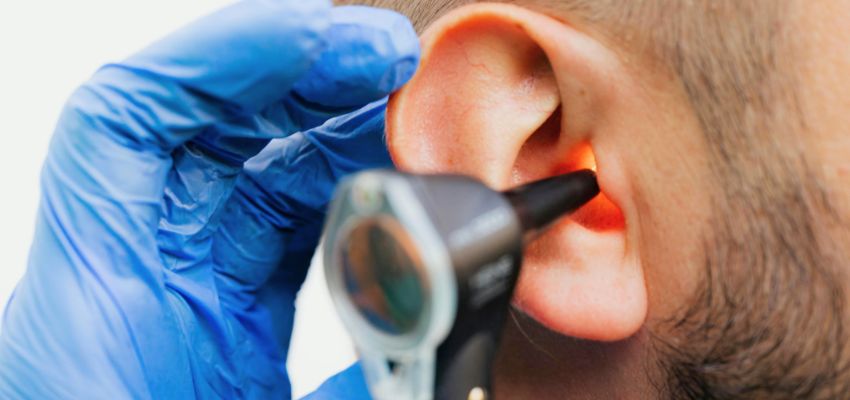
To diagnose a middle ear infection, a doctor will review your symptoms and medical history. Then, they’ll use an otoscope, a small, lighted instrument, to look at your eardrum.
Signs Doctors Look For
During the examination, a doctor will look for several signs of infection. A healthy eardrum is typically translucent and pearly gray.
In contrast, an eardrum affected by acute otitis media might be:
- Red and inflamed
- Bulging due to pressure
- Surrounded by fluid
The doctor might also use a pneumatic otoscope to see if the eardrum moves correctly in response to air pressure.
Additional Tests (When Necessary)
If the diagnosis is unclear or symptoms continue, your doctor may recommend further testing.
- Tympanometry: This test gauges the pressure in the middle ear and assesses eardrum movement.
- Hearing tests (audiograms): These may be performed if you’re experiencing hearing loss.
- ENT specialist referral: For recurrent or complex cases, you may be directed to an Ear, Nose, and Throat (ENT) specialist for more detailed evaluation.
Treatment Options For Acute Otitis Media In Adults
Pain Relief
The foremost step in managing an ear infection is often pain relief. Over-the-counter medications like ibuprofen or acetaminophen can help reduce discomfort and fever. Positioning a warm compress to the outer ear may also offer temporary relief.
Watchful Waiting
In mild cases, your doctor may suggest closely monitoring your symptoms for 48–72 hours before prescribing antibiotics. Many ear infections are viral and can resolve on their own as your immune system deals with the infection.
Antibiotic Treatment
Your healthcare provider may start a course of antibiotics if a bacterial infection is likely or if your symptoms worsen. These are typically taken orally, but antibiotic ear drops might be used if the eardrum has ruptured. It’s crucial to finish the full course of antibiotics to completely eliminate the infection.
Decongestants And Nasal Sprays
Reducing nasal inflammation can relieve pressure in the ears. Oral decongestants, antihistamines, and corticosteroid nasal sprays may improve drainage from the middle ear.
Medical Procedures For Recurrent Infections
Adults with frequent ear infections may need to set an appointment with an ENT specialist. The specialist might suggest a myringotomy. In this procedure, small tubes are placed in the eardrum. This helps fluid drain and equalizes pressure in the middle ear.
Supporting Ear Health And Preventing Future Infections
Maintaining Healthy Ear And Sinus Function
Keep your nasal passages clear. This will help your ears drain properly, especially during respiratory illnesses.
You can do this by:
- Using saline nasal sprays
- Breathing in humidified air
- Staying hydrated to thin mucus
Managing Respiratory And Sinus Health
Treat sinus infections promptly and manage seasonal allergies with the right medications. If you have persistent nasal congestion, see a healthcare provider for an evaluation.
Avoiding Environmental And Lifestyle Triggers
Limiting your exposure to certain irritants can help protect your ears and respiratory system.
- Avoid smoking and secondhand smoke.
- Reduce your exposure to air pollutants.
- Protect your ears during activities that involve pressure changes, like flying or diving.
Supporting Immune And Oral Health
A healthy lifestyle supports the body’s ability to fight infections.
- Maintain good oral hygiene.
- Adhere to a well-balanced diet rich in vitamins and minerals.
- Stay physically active and get enough sleep.
The upper respiratory tract has complex microbial communities that help maintain ENT health. A balanced microbiome supports your natural defenses against harmful microbes.
Oral Probiotics For ENT And Oral Health
Oral probiotics can support microbial balance. They work in your mouth and upper respiratory tract.
Potential benefits include:
- Fostering beneficial oral bacteria
- Promoting microbial balance in the ear, nose, and throat
- Supporting gum and throat health
Probiotics may help maintain long-term microbial balance. However, they’re not a substitute for medical treatment. You should not use them to treat active ear infections.
When Should Adults See A Doctor?
Although mild ear pain can resolve on its own, see a doctor if you experience:
- Severe pain in your ear
- A fever that rises up to 38.5°C (101.3°F)
- Symptoms that last more than 2–3 days
- Fluid, blood, or pus draining from your ear
- Sudden or ongoing hearing loss
Frequently Asked Questions
How long does an adult ear infection last?
While most mild cases clear up within 3–5 days, some infections can take longer to resolve fully.
Can acute otitis media go away without antibiotics?
Yes, viral ear infections often clear up on their own, but bacterial infections might need antibiotics.
What complications can occur if ear infections are untreated?
Without treatment, ear infections can sometimes lead to hearing problems, a ruptured eardrum, or the spread of infection. Seeking proper treatment can significantly reduce these risks.
What are the 6 stages of acute otitis media?
Acute otitis media progresses through several stages: Eustachian tube dysfunction, inflammation, fluid accumulation (effusion), pus formation (suppuration), potential eardrum rupture, and finally, resolution or healing.
What is the difference between acute suppurative otitis media and acute serous otitis media?
Suppurative otitis media is an active infection with pus, whereas serous otitis media is characterized by fluid buildup without infection.
What is the acute otitis media ICD 10 code?
Acute otitis media is categorized under ICD-10 code H66, with more specific subcodes used to identify the affected ear and the type of infection.
Why Choose BioNaze
When it comes to maintaining ear, nose, and throat health, proactive care can make a meaningful difference. BioNaze combines two clinically studied probiotic strains: BLIS K12™ (Streptococcus salivarius K12) and BL-04™ (Bifidobacterium lactis BL-04).
These beneficial bacteria come in a dissolvable lozenge. This allows them to directly populate the mouth and throat. BioNaze supports a healthy microbial balance. It helps reinforce the body’s natural defenses. This can protect against microbes linked to sinus discomfort, throat irritation, and middle ear issues.
You can add BioNaze to your daily wellness routine. It helps support the natural defenses of your mouth, throat, and sinus passages.
Taking Control Of Acute Otitis Media: Protecting Your Ear And Respiratory Health
Acute otitis media is less common in adults than in children. However, it’s still important to recognize the symptoms early. Seeking appropriate treatment is crucial. Prompt medical care can relieve pain and prevent complications. Maintaining respiratory health, managing allergies, and supporting microbial balance in the ear, nose, and throat may also promote long-term ear health.
Want to take a proactive approach to your ear, nose, and throat health? Consider adding BioNaze to your daily routine. It offers an oral probiotic option designed to support the microbial balance of the upper respiratory tract. Take charge of your ENT health and discover the benefits of a balanced microbiome today.
Benefit From The Latest Advancements In Probiotic Science With Bionaze
Bionaze is a proprietary blend of probiotics proven to promote ear, nose, and throat health, improve digestion, and support your immune system. The active ingredients BLIS K12, and BL-04 are considered among the best probiotics according to science.
Get 25% Off Your First Order when you use BIO25 at checkout!

This Content Has Been Reviewed For Factual Accuracy
This content has undergone thorough fact-checking by our team of internal experts. Learn more about the meticulous editorial standard for our website here.
ADVERTISEMENT


About The Author
Hi, I’m Corinne Grace, a proud nursing graduate from Riverside College with a flair for writing. I specialize in health and wellness topics, using my educational background to weave informative and attention-grabbing articles that appeal to a wide variety of readers.