
IBS Friendly Foods: What To Eat And Avoid
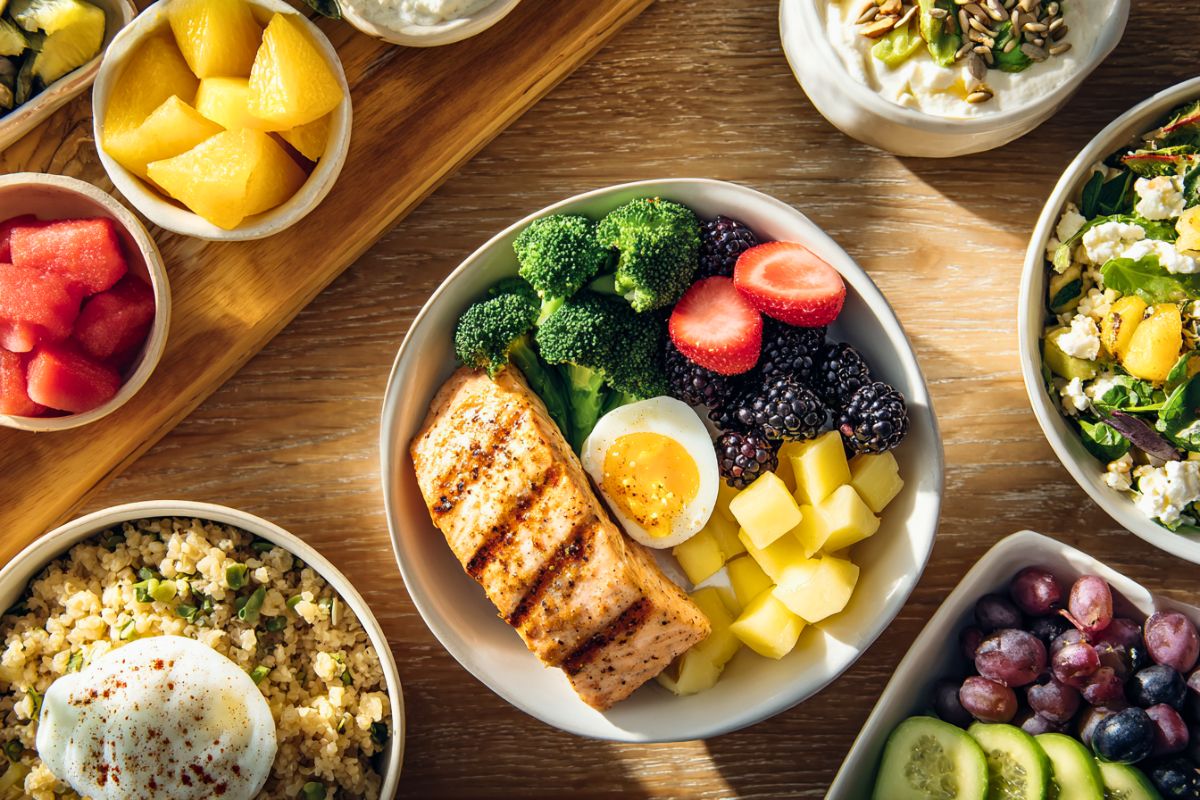
Published April 21, 2026
Living with irritable bowel syndrome (IBS) makes each meal feel risky, as one wrong bite might trigger discomfort. Balancing nutrition and avoiding triggers is challenging, but choosing the right IBS friendly foods can calm your digestive system and give you more control over gut health.
In this article, you’ll discover the best IBS friendly foods to eat, what to avoid, and practical strategies to build a sustainable gut-friendly diet.
Understanding IBS And Why Diet Matters
Irritable bowel syndrome is a prevalent gastrointestinal condition that affects the large intestine. Symptoms typically include abdominal pain, bloating, gas, diarrhea, and constipation. While the condition does not result in lasting damage to the digestive tract, it has a significant impact on daily comfort and quality of life.
How Food Triggers IBS Symptoms
Your digestive system is highly sensitive to certain foods. Some carbohydrates are not fully absorbed in the small intestine. Once they move into the large intestine, gut bacteria ferment them, producing gas. This can lead to bloating, cramping, and changes in bowel habits.
What Is A Low-FODMAP Diet?
A low-FODMAP diet is a structured plan to manage IBS symptoms. It works by limiting certain carbohydrates in some fruits, vegetables, dairy, and wheat that are hard to digest. These are known as FODMAPS, which stands for Fermentable Oligosaccharides, Disaccharides, Monosaccharides, and Polyols.
The diet typically involves three phases:
- Elimination: Removing high-FODMAP foods
- Reintroduction: Gradually testing foods
- Personalization: Creating a long-term plan based on tolerance
Many IBS friendly foods, such as rice, bananas, and lean proteins, fall within low-FODMAP guidelines.
The Role Of Diet In Managing IBS Naturally
Diet is crucial in the management of IBS. Identifying and limiting trigger foods can help manage IBS. Focusing on well-tolerated ingredients can regulate digestion. This may also reduce how often you experience symptoms.
IBS Friendly Foods For Symptom Relief
Low-FODMAP Fruits
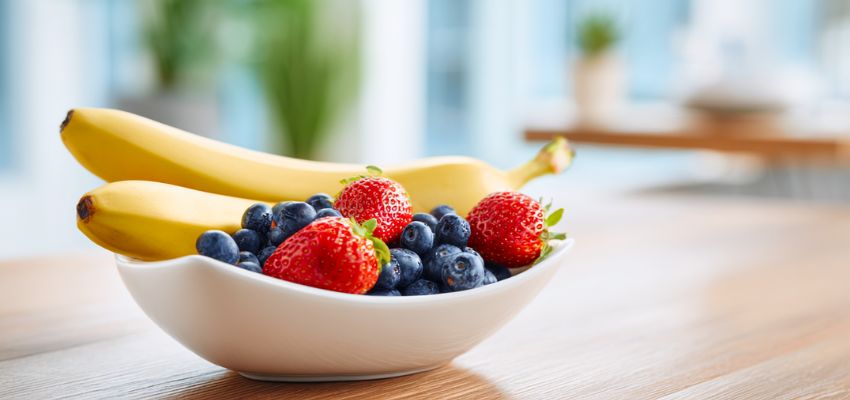
Some fruits are high in fructose, which can aggravate IBS. Choose low-FODMAP fruits. Options like bananas, blueberries, and strawberries are easier to digest. They are also less likely to cause bloating or gas.
Vegetables
Vegetables are key to a balanced diet, but it’s important to choose wisely with IBS. Go for nutrient-dense options like carrots, spinach, and zucchini. Cooking them can break down fibers, making them even easier on a sensitive stomach.
Lean Proteins
Protein is generally a safe bet for those with IBS as it doesn’t contain fermentable carbs. Chicken, turkey, and eggs are great choices. Firm tofu is also a gut-friendly option. These foods provide essential nutrients without causing digestive issues.
Grains And Carbohydrates
Carbohydrates provide fuel, but it’s important to choose sources that are easy to digest. Gluten-free options like rice, oats, and quinoa are great for people with IBS. They offer steady energy and won’t irritate the digestive tract.
Dairy Alternatives And Lactose-Free Options
Lactose can be a common IBS trigger, so it’s best to look for dairy-free alternatives. Replace regular milk with oat or almond variants, and try lactose-free yogurts. Hard cheeses are also a good option since they contain very little lactose.
Healthy Fats
Fats are essential for brain health and nutrient absorption, but greasy meals can trigger bowel spasms. Instead, consume healthy fats in moderation. Olive oil and avocados are great choices. They can aid digestion and reduce inflammation without causing irritation.

IBS Friendly Foods List For Easy Meal Planning
Keep this quick list handy when grocery shopping:
- Proteins: Chicken, turkey, fish, eggs, tofu.
- Fruits: Banana, strawberries, blueberries, oranges, grapes.
- Vegetables: Carrots, spinach, zucchini, eggplant, green beans.
- Grains: Oats, quinoa, white rice, brown rice.
- Dairy/Alternatives: Almond milk, lactose-free milk, hard cheeses.
Tips For Building Balanced IBS Friendly Meals
When building your meals, simplicity is key.
- Combine a lean protein with a safe grain and a low-FODMAP vegetable.
- Avoid heavy sauces and marinades, which often contain hidden garlic and onion powders.
- Utilize fresh herbs like basil, parsley, and thyme to add flavor without triggering symptoms.
Foods To Avoid With IBS To Prevent Flare-Ups
High-FODMAP Foods
Certain carbs, like those in onions, garlic, beans, and lentils, ferment quickly in the gut and are common triggers for IBS symptoms.
Dairy Products And Lactose Intolerance
Lactose intolerance is common in people with IBS. Cow’s milk, ice cream, and soft cheeses like ricotta or cottage cheese are common triggers for those sensitive to lactose.
Processed And Fried Foods
High-fat foods such as French fries, pizza, and processed snacks can slow digestion and worsen IBS symptoms. Opt for baked, grilled, or steamed cooking methods instead.
Artificial Sweeteners And Sugar Alcohols
Check the labels on sugar-free gum and diet snacks for sugar alcohols like sorbitol and xylitol. They’re poorly absorbed and can trigger digestive discomfort.
Caffeinated And Carbonated Drinks
Beverages play a major role in gut health. Coffee may stimulate the gut, while carbonated drinks can introduce excess gas, leading to bloating.
Tips For Following An IBS Friendly Diet Successfully
How To Start A Low-FODMAP Diet
A low-FODMAP diet begins with a structured elimination phase. Cut out all high-FODMAP foods for four to six weeks. Once your symptoms have subsided, you can slowly reintroduce them one by one to pinpoint your triggers.
Portion Control And Meal Timing
Large meals can overload your digestive tract and cause painful spasms. Opt for four to five smaller meals throughout the day instead of three large ones. Chewing food properly and eating at a relaxed pace can also improve digestion.
Keeping A Food Diary To Track Triggers
A food diary is an ideal tool for preventing flare-ups. By tracking what you eat, your portion sizes, and any resulting symptoms, you’ll eventually identify which foods to avoid.
In addition to tracking your diet, some individuals explore ways to support overall microbiome balance. Oral probiotic supplements like BioNaze deliver beneficial bacteria to the mouth, potentially helping to maintain a balanced microbial environment. While not a replacement for dietary management, they can be a component of a broader wellness routine.
When To Consult A Healthcare Professional
If your symptoms persist despite dietary changes, it’s time to seek professional help. A gastroenterologist or registered dietitian can provide a personalized nutrition plan and rule out other digestive conditions.
Frequently Asked Questions
What are the best IBS friendly foods to eat daily?
Lean proteins, low-FODMAP fruits, and simple grains like rice and oats are commonly well tolerated.
What are IBS C friendly foods for constipation relief?
For constipation-predominant IBS, focus on soluble fiber. Foods like oats, chia seeds, sweet potatoes, and carrots help soften stool and promote regular bowel movements.
Can IBS friendly foods completely cure IBS?
Diet does not cure IBS, but it can help manage symptoms effectively over time.
Are there specific foods for bloating and gas?
Ginger, peppermint tea, and low-FODMAP fruits like bananas may help reduce discomfort.
Why Choose BioNaze
An IBS-friendly diet is a key step in managing digestive symptoms. However, balancing the microbiome in your oral and upper respiratory tract is also important for overall health.
BioNaze is an oral probiotic supplement formulated with two clinically studied probiotic strains, BLIS K12™ (Streptococcus salivarius K12) and BL-04™ (Bifidobacterium Lactis BL-04). These strains are researched for their role in oral, respiratory, and immune health. The lozenge format delivers beneficial bacteria directly to the oral cavity. This may help support a balanced oral microbiome.
BLIS K12™ has been studied for its role in supporting mouth and throat health, while BL-04™ is associated with immune and digestive support.
When combined with a diet of IBS friendly foods, BioNaze may complement a broader approach to microbiome support. Individual responses can vary, so it’s best to see a healthcare professional before trying out any supplement.
Take Control Of Your Gut Health With The Right IBS Friendly Foods
Managing IBS starts with understanding your body and making informed food choices. Focus on low-FODMAP fruits, lean proteins, and simple carbohydrates while limiting common triggers to build a diet that promotes comfort. Start with small changes, like adjusting portion sizes or swapping trigger foods for better alternatives. Over time, these choices can help you feel more confident and in control of your digestive health.
While optimizing your gut diet, it’s also important to protect your upper respiratory and oral microbiome. BioNaze is a formula with two patented probiotic strains designed to prevent chronic issues in the sinuses, ears, nose, throat, mouth, and gums, supporting your microbiome from top to bottom.

This Content Has Been Reviewed For Factual Accuracy
This content has undergone thorough fact-checking by our team of internal experts. Learn more about the meticulous editorial standard for our website here.
Benefit From The Latest Advancements In Probiotic Science With Bionaze
Bionaze is a proprietary blend of probiotics proven to promote ear, nose, and throat health, improve digestion, and support your immune system. The active ingredients BLIS K12, and BL-04 are considered among the best probiotics according to science.
Get 25% Off Your First Order when you use BIO25 at checkout!
ADVERTISEMENT


About The Author
Hi, I’m Corinne Grace, a proud nursing graduate from Riverside College with a flair for writing. I specialize in health and wellness topics, using my educational background to weave informative and attention-grabbing articles that appeal to a wide variety of readers.