Gustatory Rhinitis Explained: Runny Nose When Eating

Published December 22, 2025
Do you ever find yourself reaching for a tissue in the middle of a meal? You take a bite of spicy curry or a hot bowl of soup, and suddenly your nose starts running. This common but often inconvenient experience can make it difficult to enjoy food—especially in social settings. This reaction is known as gustatory rhinitis. It’s a condition that causes nasal symptoms like a runny nose or congestion right after you eat. It’s not caused by allergies but by a nerve-relaxed reflex in the nasal passages.
In this article, we’ll explore what gustatory rhinitis is. We’ll cover its causes, how it’s diagnosed, and the best ways to treat and prevent it. Knowing why it occurs can help you manage symptoms more effectively and enjoy meals with greater comfort.
What Is Gustatory Rhinitis?
Gustatory rhinitis is a variant of nonallergic rhinitis. This means it causes nasal inflammation, but the immune system isn’t involved. It’s triggered specifically by eating, with spicy or hot foods being the most common culprit. These foods stimulate nerves in the nasal lining.
This stimulation activates the parasympathetic nervous system. It causes the nasal glands to produce excess watery mucus. This results in symptoms such as sneezing, a runny nose, or congestion that occur during or shortly after eating. Gustatory rhinitis is more common in older adults, likely due to increased sensitivity of nasal nerves with age.
How Gustatory Rhinitis Differs From Allergic And Nonallergic Rhinitis
Gustatory rhinitis is often confused with other nasal conditions. However, there are important distinctions.
- Allergic rhinitis (hay fever) is an immune reaction to allergens like pollen, dust mites, or pet dander. It often causes itching in the eyes, nose, or throat. These symptoms are uncommon in gustatory rhinitis.
- Nonallergic rhinitis has different triggers. These can include environmental irritants, weather changes, strong odors, or certain medications. Gustatory rhinitis is distinct from this. Its symptoms almost always come from eating. They’re caused by a nerve reflex, not inflammation from irritants or allergens.
Common Symptoms Of Gustatory Rhinitis
Symptoms usually begin quickly after eating trigger foods and are generally short-lived.
- Runny nose and nasal congestion after eating: The hallmark symptom is a sudden, watery nasal discharge. Some individuals also experience nasal congestion, making breathing through the nose temporarily difficult.
- Sneezing: Occasional sneezing may occur, particularly when consuming strongly flavored foods.
- Postnasal drip: Excess mucus may drain down the back of the throat, causing throat clearing or mild irritation.
- Worsened symptoms after certain foods: Symptoms may be worse after consuming spicy foods, hot meals, or alcohol. Hot beverages such as coffee or tea can also intensify symptoms.
What Causes Gustatory Rhinitis?
Gustatory rhinitis is caused by abnormal nerve signaling, not allergens.
- Trigger foods: Capsaicin-containing foods, like chili peppers and hot sauces, are common triggers. Horseradish, alcohol, and very hot foods or drinks can also cause a reaction.
- Nerve stimulation: The trigeminal nerve functions as a major facial nerve. Its stimulation causes nasal blood vessels to dilate. This also leads to excessive mucus secretion.
- Age: As we age, nasal tissues become more reactive. This increases the risk of gustatory rhinitis.
- Underlying conditions: Chronic rhinitis can worsen symptoms. Nasal structural issues can also make reactions more noticeable.
Is Gustatory Rhinitis Dangerous?
For most people, gustatory rhinitis isn’t dangerous. It’s considered a benign condition and doesn’t lead to serious medical complications. However, your symptoms might signal an underlying issue if they occur outside of mealtimes.
Persistent symptoms could indicate chronic rhinitis, sinusitis, or allergies. A doctor should evaluate these conditions. While medically harmless, gustatory rhinitis can still affect your quality of life. It can make meals uncomfortable or socially awkward.

How Is Gustatory Rhinitis Diagnosed?
Diagnosis focuses on symptom patterns and exclusion of other causes.
- Medical history: Doctors evaluate whether symptoms consistently occur after eating certain foods.
- Physical examination: The nasal passages are examined for signs of inflammation, swelling, or structural issues.
- Allergy testing: Skin or blood tests may help rule out allergic rhinitis.
- Symptom and trigger monitoring: Keeping a food and symptom diary can identify triggers and confirm the diagnosis.
- Ruling out other conditions: Other conditions, like chronic sinusitis, are also considered. This helps ensure an accurate diagnosis and effective treatment.
Treatment Options For Gustatory Rhinitis
Management focuses on reducing symptoms and avoiding triggers.
- Avoid trigger foods: The most effective strategy is to identify and limit foods that cause symptoms. Keeping a food diary can help.
- Nasal sprays: Anticholinergic nasal sprays, like ipratropium bromide, reduce mucus. Using them before meals can be very effective.
- Over-the-counter remedies: Saline sprays can help clear mucus and soothe nasal passages. Decongestants may offer temporary relief but aren’t advised for long-term use.
- Medical interventions: For severe cases, a doctor might prescribe other medications or check for underlying nasal issues.
- Lifestyle adjustments: Eating smaller portions or trigger foods and staying hydrated can help minimize symptoms.
Preventing Nasal Congestion After Eating
While gustatory rhinitis cannot always be eliminated, symptoms can often be reduced.
- Identify and avoid triggers: The most effective way to prevent symptoms is to limit foods that you know cause a reaction.
- Eat in moderation: Consuming smaller portions of trigger foods may help lessen your symptoms.
- Use preventative nasal sprays: An anticholinergic nasal spray may help. Use it before meals to stop symptoms before they start.
- Stay hydrated: Drinking adequate amounts of water helps keep nasal mucus thin and less likely to cause congestion.
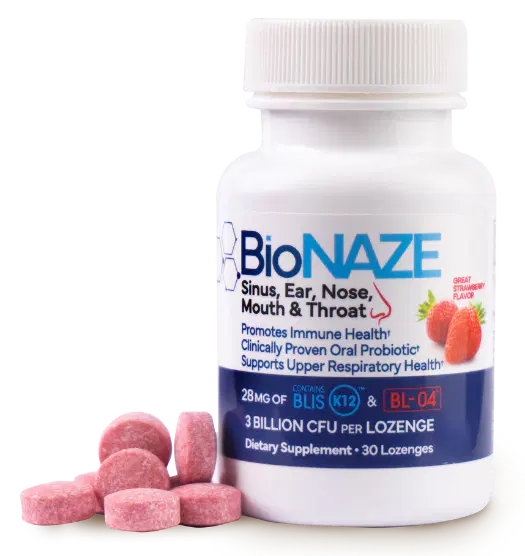
- Try probiotics: Promoting a balanced nasal microbiome can help reduce irritation. Probiotic products like Bionaze are designed to support upper respiratory and sinus health.
When To Seek Medical Advice
Warning Signs That Require Professional Evaluation
- Symptoms are severe or long-lasting.
- Nasal symptoms happen without eating.
- Over-the-counter treatments don’t work.
- Other health conditions may be a factor.
- Triggers remain unclear despite tracking.
Preparing For Your Doctor’s Visit
Bring a food diary to your appointment. It’s also helpful to bring a list of your current medications. A detailed history of your symptoms can help your doctor with diagnosis and treatment.
Frequently Asked Questions
Why do I get congested after eating even non-spicy foods?
Spicy foods are common triggers. Any food can cause symptoms in sensitive people, especially hot ones.
Can gustatory rhinitis go away on its own?
There’s no permanent cure. Proper management can control symptoms effectively.
How is gustatory rhinitis different from a food allergy?
A food allergy is a detrimental immune system response. Gustatory rhinitis, on the other hand, is a nerve reflex. It doesn’t involve the immune system.
What is the best treatment for gustatory rhinitis?
Preventive nasal sprays before meals can help. It’s also effective to avoid food triggers.
Why Choose Bionaze?
Bionaze is a probiotic supplement designed to support upper respiratory health. Its formula combines two key ingredients: BLIS K12™ (Streptococcus salivarius K12) and BL-04™ (Bifidobacterium Lactis BL-04). Together, they help maintain a healthy microbiome. This supports the sinuses, nose, and throat. Bionaze helps balance your body’s defenses. It supports nasal health and addresses issues like rhinitis.

Managing Gustatory Rhinitis For Better Mealtime Comfort
Gustatory rhinitis isn’t harmful. It can be managed in several ways. You can identify trigger foods and adjust your diet. Treatments like nasal sprays can also help. The goal is to improve your quality of life. If symptoms persist, see a doctor. This will help rule out other conditions. With the right tactics, you can lessen symptoms and enjoy meals more comfortably.
Ready to improve your sinus and nasal health? Consider Bionaze, an innovative formula with two patented probiotic strains. This powerful blend helps prevent chronic issues in the sinuses, ears, nose, and throat. It works by promoting a healthy microbial balance. Discover how Bionaze can support your respiratory wellness today.
Benefit From The Latest Advancements In Probiotic Science With Bionaze
Bionaze is a proprietary blend of probiotics proven to promote ear, nose, and throat health, improve digestion, and support your immune system. The active ingredients BLIS K12, and BL-04 are considered among the best probiotics according to science.
Get 25% Off Your First Order when you use BIO25 at checkout!

This Content Has Been Reviewed For Factual Accuracy
This content has undergone thorough fact-checking by our team of internal experts. Learn more about the meticulous editorial standard for our website here.
ADVERTISEMENT


About The Author
Hi, I’m Corinne Grace, a proud nursing graduate from Riverside College with a flair for writing. I specialize in health and wellness topics, using my educational background to weave informative and attention-grabbing articles that appeal to a wide variety of readers.