Worst Foods For Gut Health: What To Avoid Today
Published March 31, 2026
When your digestive system is off, your whole body can suffer. Poor digestion can lead to sluggishness and exhaustion. Making smarter choices about what’s on your plate is key to feeling better. Learning about the worst foods for gut health is the first step to reclaiming your well-being.
In this article, we’ll explore how your diet impacts your digestive system, identify foods that disrupt gut balance, and share simple swaps to help restore it. You’ll also discover how targeted probiotic support can complement your efforts.
Why Gut Health Matters
What Is Gut Health And The Microbiome?
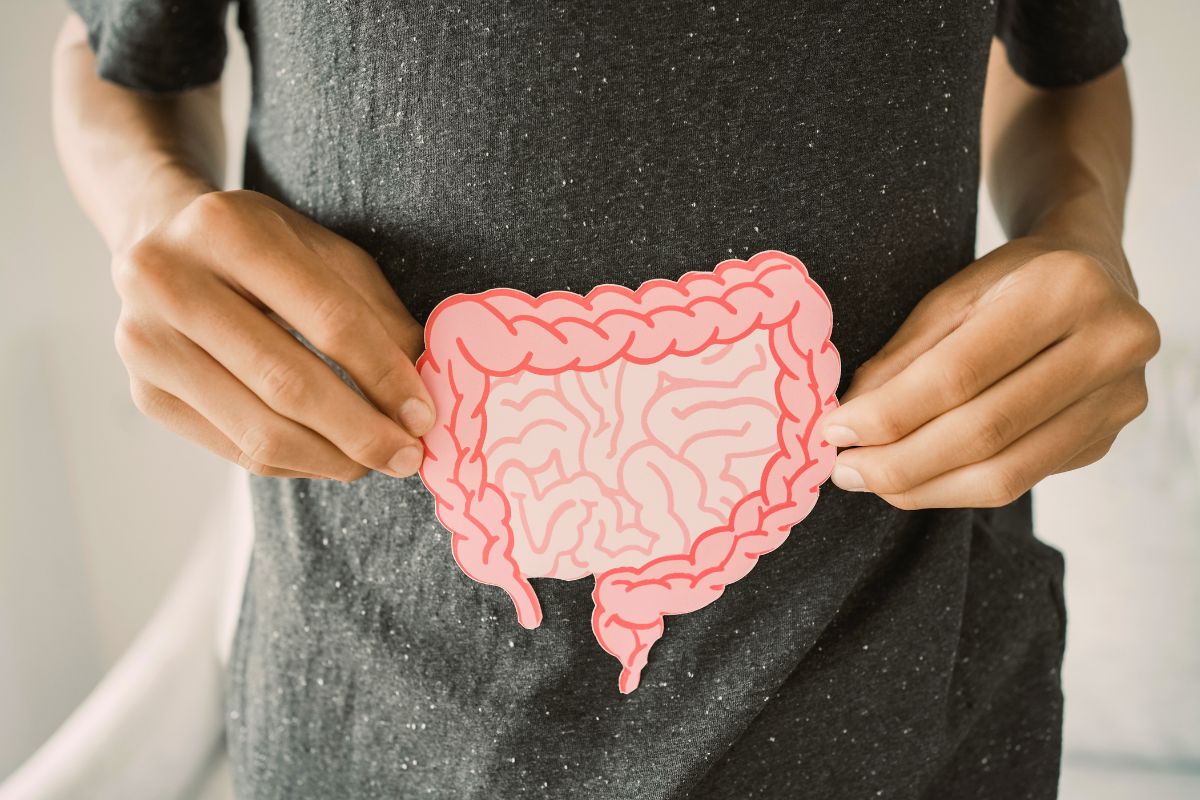
Gut health refers to the balance and role of your gastrointestinal tract. The gut microbiome is at the center of this system. It’s a complex community of bacteria and fungi. This community helps break down food, produce beneficial compounds, and support your health.
How Diet Directly Impacts Your Gut Bacteria
Your food choices support good gut bacteria or enable harmful ones. Whole foods help create a diverse microbiome, while highly processed foods can disrupt this delicate balance and weaken your gut’s protective lining.
Signs Your Gut May Be Unhealthy
An imbalanced gut can lead to bloating, gas, irregular bowel movements, fatigue, skin problems, and mood swings. Recognizing these early signs is the first step toward improving your gut health.
What Makes Certain Foods The Worst For Gut Health?
- The role of inflammation and dysbiosis: Certain foods can cause inflammation in your digestive tract. Over time, this chronic inflammation may lead to dysbiosis, which is an imbalance between good and bad gut bacteria. Sadly, this can disrupt digestion and overall gut health.
- How processed ingredients disrupt gut balance: Many processed foods contain additives, preservatives, and emulsifiers that can disrupt your gut bacteria. These ingredients can weaken the intestinal lining, making it harder for beneficial microbes to thrive.
- The link between poor diet and digestive disorders: A diet packed with processed foods, sugars, and unhealthy fats is often linked to digestive disorders like irritable bowel syndrome (IBS). These foods can disrupt the gut-brain axis, increasing digestive sensitivity and discomfort.
Worst Foods For Gut Health You Should Limit Or Avoid
To protect your microbiome, it helps to know which foods cause the most harm. Here are some of the worst foods for gut health that you should consider limiting or avoiding.
Ultra-Processed Foods And Packaged Snacks
Packaged snacks are a large part of the standard Western diet but offer little nutritional value. They’re typically high in sodium, packed with preservatives, and stripped of the fiber your gut needs to thrive. Regularly eating these snacks can starve your beneficial gut bacteria and promote intestinal inflammation.

Added Sugars And Sugary Beverages
Natural sugars in fruit come with beneficial fiber and antioxidants, but added sugars can harm your digestive system. Refined sugars like high-fructose corn syrup feed harmful bacteria and yeast, allowing them to multiply. This overgrowth can damage your intestinal barrier and lead to painful bloating.
Artificial Sweeteners And Sugar Substitutes
Many people switch to zero-calorie sweeteners, believing they’re a healthier option. Unfortunately, ingredients like aspartame, saccharin, and sucralose can alter your microbiome’s composition. These chemical substitutes can disrupt your digestive system and have been shown to increase inflammation in the gastrointestinal tract.
Fried And High-Fat Foods
Frying food at high temperatures can degrade the cooking oil, increasing its trans-fat content. Your body has trouble breaking down these unhealthy fats. People who eat fried foods frequently may have a less diverse microbiome. This can lead to stomach discomfort and acid reflux.
Red And Processed Meats
An occasional lean cut of meat is generally fine, but heavily processed meats like salami, hot dogs, and sausage can disrupt your digestion. These products often contain nitrates and other preservatives that upset the bacterial balance in your gut. High consumption of red meat is also linked to a greater risk of colon inflammation and chronic digestive diseases.
Alcohol And Excess Caffeine
Alcohol irritates the stomach lining, and the byproducts created when your body processes it can damage your gut barrier. In a similar way, too much caffeine can overstimulate your digestive tract. This may lead to cramping, urgency, and a disruption of your gut’s natural bacteria.
Refined Grains (White Bread, Pastries)
The refining process strips grains of their bran and germ, removing valuable fiber and protein. Foods like white bread, bagels, and pastries are high on the glycemic index, indicating potential to trigger rapid spikes in your blood sugar. This can drive inflammation and starve the beneficial microbes in your gut.
Foods With Artificial Additives And Emulsifiers
Thickeners, dyes, and emulsifiers are common in products ranging from salad dressings to plant-based meat alternatives. These artificial additives can disrupt the delicate mucus lining of your intestines. This protective barrier prevents bacteria from crossing into your bloodstream. Without it, your body may trigger a widespread immune response.
Hidden Gut-Damaging Ingredients To Watch Out For
Common Additives In Everyday Foods
Harmful additives can hide in everyday pantry staples, slowly eroding your microbiome’s diversity. Keep an eye out for them in:
- Store-bought marinades
- Condiments
- Flavored yogurts
What To Look For On Food Labels
When you’re at the grocery store, check food labels for these gut-irritating ingredients:
- High-fructose corn syrup
- Partially hydrogenated oils
- Chemical preservatives
- Sugar alcohols (like erythritol or xylitol)
So-Called “Health Foods” That Harm Your Gut
Don’t be fooled by “health food” labels since many can still harm your gut. Low-sugar protein bars and keto snacks often contain sugar alcohols like erythritol or xylitol to keep calorie counts low. While low-calorie, these sugar alcohols are known to cause gas, diarrhea, and stomach cramps.
The Health Impact Of Gut-Harming Foods
- Digestive problems: When you eat gut-harming foods, your body struggles to digest them properly. This can cause fermentation in your lower intestine, trapping gas and leading to painful bloating. For people with sensitive digestive systems, these foods can also trigger severe IBS flare-ups.
- Effects on immunity and inflammation: Since a large part of your immune system is in your gut, an imbalance can trigger chronic inflammation and weaken your body’s defenses.
- Long-term health risks: Poor dietary habits can have long-term consequences. You may develop chronic diseases or gut disorders. Your immune system could also weaken over time.
What To Eat Instead: Gut-Friendly Food Swaps
Whole, Minimally Processed Alternatives
A good rule of thumb is to choose foods that are as close to their natural state as possible. For example, swap white bread for whole-grain options, or choose fresh fruit instead of packaged desserts. Whole foods such as fruits, vegetables, and grains support healthy digestion and deliver nutrients in a form your body can easily use.
Fiber-Rich Foods That Feed Good Bacteria
Fiber is a superfood for your microbiome. For a simple swap, try using brown rice instead of white rice, or eat beans and lentils rather than processed deli meats in salads. These fiber-rich foods nourish beneficial gut bacteria and can be found in foods like beans, lentils, and vegetables.
Fermented Foods And Natural Probiotics
Incorporate natural probiotics into your diet to replenish good bacteria. Instead of a sugary yogurt, reach for plain yogurt or kefir. Fermented foods like kimchi, kefir, sauerkraut, and yogurt introduce beneficial microbes. These microbes support gut balance.
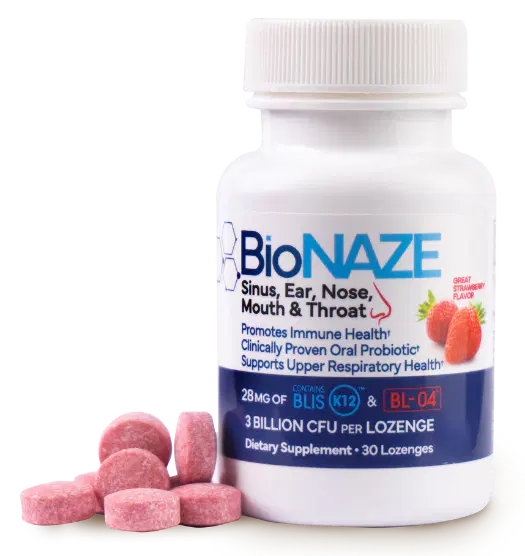
For more targeted support, you may also consider a specialized probiotic like BioNaze. It features BLIS K12™ (Streptococcus salivarius K12) and BL-04™ (Bifidobacterium Lactis BL-04). These ingredients support microbial balance in your mouth and upper airways. This is important for digestive and immune health.
Practical Tips To Reduce Gut-Damaging Foods
- Transitioning away from ultra-processed foods: Don’t try to change your diet overnight. Instead of restricting foods, start by adding healthier options. Small, gradual changes are more sustainable than eliminating everything at once.
- Smart grocery shopping for better gut health: Shop the perimeter of the grocery store, where you’ll find lean proteins, fresh produce, and other whole foods. Try to limit your time in the aisles with processed foods.
- Building a sustainable, gut-healthy diet: Aim for steady progress, not perfection. Cooking at home more often and making mindful choices are key to maintaining long-term balance.
Frequently Asked Questions
Do artificial sweeteners damage gut bacteria?
Yes. Research reveals that artificial sweeteners such as aspartame and sucralose can alter your gut microbiome. This can reduce the diversity of good bacteria.
Is dairy bad for gut health?
Not necessarily. While it depends on individual tolerance, fermented dairy products can be beneficial.
Can sugar permanently harm your gut microbiome?
No, but long-term overconsumption can lead to an imbalance. Fortunately, this can be restored with dietary changes.
How long does it take to repair gut health after avoiding harmful foods?
You may notice improvements within a few days, but full recovery may take anywhere from a few weeks to several months.
Why Choose BioNaze
BioNaze takes a new approach to microbiome support. It focuses on the oral and upper respiratory pathways. These are deeply connected to digestive and immune health.
BioNaze contains two highly researched, patented probiotic strains: BLIS K12™ (Streptococcus salivarius K12) and BL-04™ (Bifidobacterium Lactis BL-04). These strains deliver beneficial bacteria directly to your oral and upper respiratory systems. The advanced formula helps restore the natural bacterial balance in your mouth, throat, and nasal passages. This creates a strong first line of defense against pathogens before they enter your gut.

Reclaim Your Gut Health With Smarter Food Choices Today
Improving gut health begins with consistently making simple choices. Eliminating harmful foods like processed snacks, added sugars, and artificial additives helps your microbiome recover. Instead, focus on whole, fiber-rich foods and make small daily changes to support digestion. These habits can lead to better energy, improved digestion, and overall well-being. The key is to start small and be consistent to help your gut thrive.
Ready to elevate your microbiome support? Add BioNaze to your daily routine. Its innovative formula uses two patented probiotic strains. Start building a healthier internal environment from the top down and see what BioNaze can do for you.
Benefit From The Latest Advancements In Probiotic Science With Bionaze
Bionaze is a proprietary blend of probiotics proven to promote ear, nose, and throat health, improve digestion, and support your immune system. The active ingredients BLIS K12, and BL-04 are considered among the best probiotics according to science.
Get 25% Off Your First Order when you use BIO25 at checkout!

This Content Has Been Reviewed For Factual Accuracy
This content has undergone thorough fact-checking by our team of internal experts. Learn more about the meticulous editorial standard for our website here.
ADVERTISEMENT


About The Author
Hi, I’m Corinne Grace, a proud nursing graduate from Riverside College with a flair for writing. I specialize in health and wellness topics, using my educational background to weave informative and attention-grabbing articles that appeal to a wide variety of readers.