Upper Respiratory Tract Infections: A Complete Guide

Published March 23, 2026
Is a stuffy nose, scratchy throat, and relentless cough throwing your life off track? You’re not alone. Upper respiratory tract infections (URTIs) affect millions each year, causing discomfort that can disrupt your daily life, sleep, and productivity. Understanding what you’re dealing with is the first step toward getting relief and protecting those around you.
In this article, we’ll cover the symptoms, causes, treatment, and prevention of URTIs, as well as when to seek medical care. We’ll also explore how emerging approaches like probiotics may help maintain respiratory health.
What Are Upper Respiratory Tract Infections?
An upper respiratory tract infection (URTI) is considered a contagious ailment caused by a virus or bacteria. It affects the parts of your respiratory system above the vocal cords, including the:
- Nose and nasal cavity
- Sinuses
- Pharynx (throat)
- Larynx (voice box)
URTIs are one of the most common reasons people visit the doctor and miss work or school.
Why Are Upper Respiratory Tract Infections So Common?
URTIs are common because they spread easily through close contact in shared spaces. Since many different viruses can cause these infections, the body cannot build long-term immunity against all of them.
Types Of Upper Respiratory Tract Infections
- Common cold: The most frequent URTI, typically caused by rhinoviruses. Symptoms are usually mild and clear up within one to two weeks.
- Sinusitis: This inflammation of the sinuses leads to facial pain, pressure, and congestion. It can be either viral or bacterial.
- Pharyngitis (Strep Throat): An inflammation causing a sore throat. While most cases are viral, bacterial infections like strep throat require medical treatment.
- Laryngitis: An inflammation of the voice box or larynx that often results in hoarseness or temporary voice loss.
- Other conditions: This category includes tonsillitis and infections from viruses like respiratory syncytial virus (RSV), which can be more severe in vulnerable groups.
Causes Of Upper Respiratory Tract Infections
Viral Causes
Viruses, including rhinoviruses, influenza, RSV, and coronaviruses, are the most common cause of URTIs.
Bacterial Causes And When They Occur
Bacterial causes are less common and often occur when a viral infection has weakened the immune system. Examples include strep throat and bacterial sinusitis.
How These Infections Spread
URTIs are transmitted through respiratory droplets from coughs, sneezes, or speech, and by touching contaminated surfaces.
Risk Factors
You are at a higher risk if you:
- Spend time in crowded spaces.
- Have a compromised immune system.
- Suffer from chronic stress or poor sleep.

Symptoms Of Upper Respiratory Tract Infections
Upper respiratory tract infections symptoms vary, but generally follow a predictable pattern:
Early Symptoms
Initial signs of infection usually appear one to three days after exposure and start with mild discomfort. These include:
- Sore or scratchy throat: A feeling of irritation in the throat.
- Sneezing: Involuntary bursts of air from the nose and mouth.
- Mild fatigue: A general sense of tiredness or low energy.
Peak Symptoms
As the infection progresses, symptoms become more noticeable:
- Runny or stuffy nose: Nasal passages may feel blocked or produce clear to cloudy mucus.
- Cough: This can be a persistent dry or productive cough.
- Post-nasal drip: You might feel mucus draining down the back of your throat.
- Mild headaches: A dull ache in the head is common.
- Watery eyes: Eyes may tear up excessively or feel irritated.
Less Common Or Severe Symptoms
In some cases, more intense symptoms may appear:
- Low-grade fever: A slight elevation in your body temperature.
- Muscle aches: General discomfort or soreness in your muscles.
- Facial pressure: A feeling of fullness or pressure around your eyes, nose, or forehead.
A high fever or severe pain might suggest a more serious condition, such as the flu or a secondary bacterial infection.
How Upper Respiratory Tract Infections Are Diagnosed
Healthcare providers usually diagnose upper respiratory infections based on the outcome of a physical exam and an assessment of your symptoms. If they suspect a specific illness like strep throat, the flu, COVID-19, or RSV, they might use a throat or nasal swab to confirm the diagnosis and determine the right treatment, such as antibiotics or antivirals.
Differentiating From Other Conditions
Several conditions share symptoms with upper respiratory infections, but there are key differences:
- Allergies: Often cause itchy eyes and sneezing.
- Flu and COVID-19: Usually have a more rapid and severe onset, with symptoms like a sudden fever, significant fatigue, and more intense respiratory issues.
Treatment Options For Upper Respiratory Tract Infections
Home Remedies And Self-Care
Rest and hydration are key to recovery. Consume plenty of fluids, such as water, clear broths, or warm tea, to soothe a sore throat and thin mucus. Using a cool-mist humidifier can also add moisture to the air and make breathing easier.
Over-The-Counter Medications
Over-the-counter (OTC) medications can’t cure an upper respiratory tract infection, but they can relieve symptoms. Pain relievers like acetaminophen or ibuprofen can reduce fever and headaches, while decongestants and saline nasal sprays can help clear nasal passages.
Antibiotics: When They’re Needed
Most infections tend to be viral, so they typically resolve on their own. Antibiotics don’t work on viruses and should only be taken for confirmed bacterial infections like strep throat or severe bacterial sinusitis. Overusing antibiotics can lead to resistance and other side effects.
How Long Do They Last?
Most viral infections resolve in seven to ten days, though a dry cough or mild congestion may linger for up to three weeks. Contact your doctor if your symptoms initially improve but then suddenly worsen.
Preventive Measures
Hygiene Practices
Good hygiene is your best defense against germs.
- Wash your hands frequently.
- Avoid touching your eyes, nose, and mouth.
- Consider wearing a mask in crowded spaces.
Lifestyle Habits To Strengthen Immunity
A strong immune system can help you fight off infections.
- Get at least 7 hours of sleep each night.
- Eat a balanced diet comprising vegetables, fruits, and lean proteins.
- Exercise regularly.
Environmental Factors
Airborne irritants can damage your respiratory tract, making it more vulnerable to germs. Try to avoid pollutants, smoke, and other irritants that may weaken your respiratory defenses.
Vaccination
Keep your vaccinations current, including those for the flu and COVID-19. Consult your doctor to see if you’re eligible for RSV or pneumococcal vaccines, based on your age and health status.
Probiotics
Your mouth, nose, and throat have their own microbiomes, which are crucial for immune defense. Supporting the beneficial bacteria in these areas can help reduce your risk of infection. Targeted oral probiotics can help maintain this balance by crowding out harmful microbes and reinforcing the body’s natural defenses.
Possible Complications
While upper respiratory tract infections are usually mild, they can lead to complications, particularly among those with weakened immune systems.
Common complications include:
- Sinus infections
- Middle ear infections
- Infections involving the lower respiratory tract, such as pneumonia or bronchitis
When To Consult A Doctor
It’s important to know when to see a doctor for an upper respiratory tract infection. You should seek medical attention if you experience any of the following:
- Difficulty breathing or chest pain
- A fever higher than 103℉ (39.4℃)
- Symptoms that last for more than 10 days
- Symptoms that seem to get better but then worsen
- You are at higher risk due to age or pre-existing health conditions.
Frequently Asked Questions
What’s the fastest way to recover from an upper respiratory tract infection?
Resting, staying hydrated, and managing your symptoms are the best ways to help your body recover.
Are upper respiratory tract infections contagious?
Yes, they spread easily through respiratory droplets and contact with contaminated surfaces.
How long do upper respiratory tract infections last?
Most infections resolve within one to two weeks, but a cough might linger.
Can upper respiratory tract infections become serious?
While most cases are mild, they can sometimes lead to complications like ear infections, sinus infections, or pneumonia, particularly in vulnerable individuals.
What’s the difference between a cold and a URTI?
A cold is a specific type of upper respiratory tract infection (URTI). URTI is a broad medical term that also covers sinus infections, laryngitis, and strep throat.
Are antibiotics necessary for URTIs?
Most URTIs are viral infections, so antibiotics are ineffective. They are only necessary if your doctor diagnoses a bacterial infection.
Why Choose BioNaze
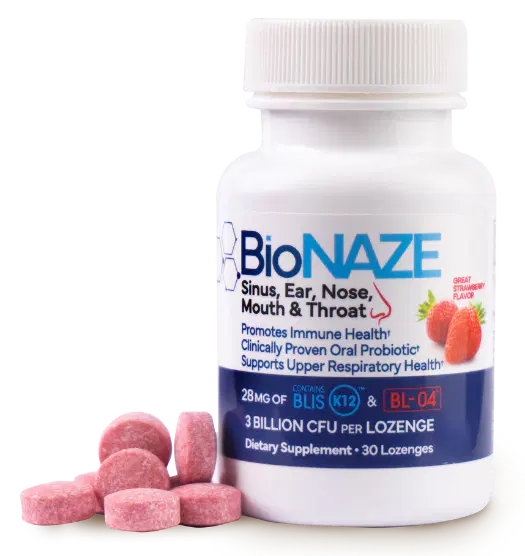
A healthy microbiome is essential for respiratory wellness. BioNaze is an advanced oral probiotic specifically formulated to support ear, nose, throat, and oral health.
BioNaze’s power lies in its two patented, clinically studied probiotic strains:
These probiotics help populate the upper respiratory tract with beneficial bacteria. This strengthens your natural defenses and can help reduce the risk of recurring sinus, throat, and oral issues.

Take Control Of Your Respiratory Health With Smarter Prevention
Upper respiratory tract infections are common, but they can be managed with the right approach. Prevention starts with good hygiene, a healthy lifestyle, and recognizing symptoms early. Recovery typically involves rest, hydration, and proper care, not unnecessary medications. Supporting your respiratory microbiome with targeted probiotics can add another layer of protection, helping you maintain stronger respiratory health year-round.
Take control of your respiratory health with BioNaze. Our formula uses two patented probiotic strains designed to prevent chronic issues in your sinuses, ears, nose, throat, and mouth. Fortify your natural defenses and breathe easier all year.
Benefit From The Latest Advancements In Probiotic Science With Bionaze
Bionaze is a proprietary blend of probiotics proven to promote ear, nose, and throat health, improve digestion, and support your immune system. The active ingredients BLIS K12, and BL-04 are considered among the best probiotics according to science.
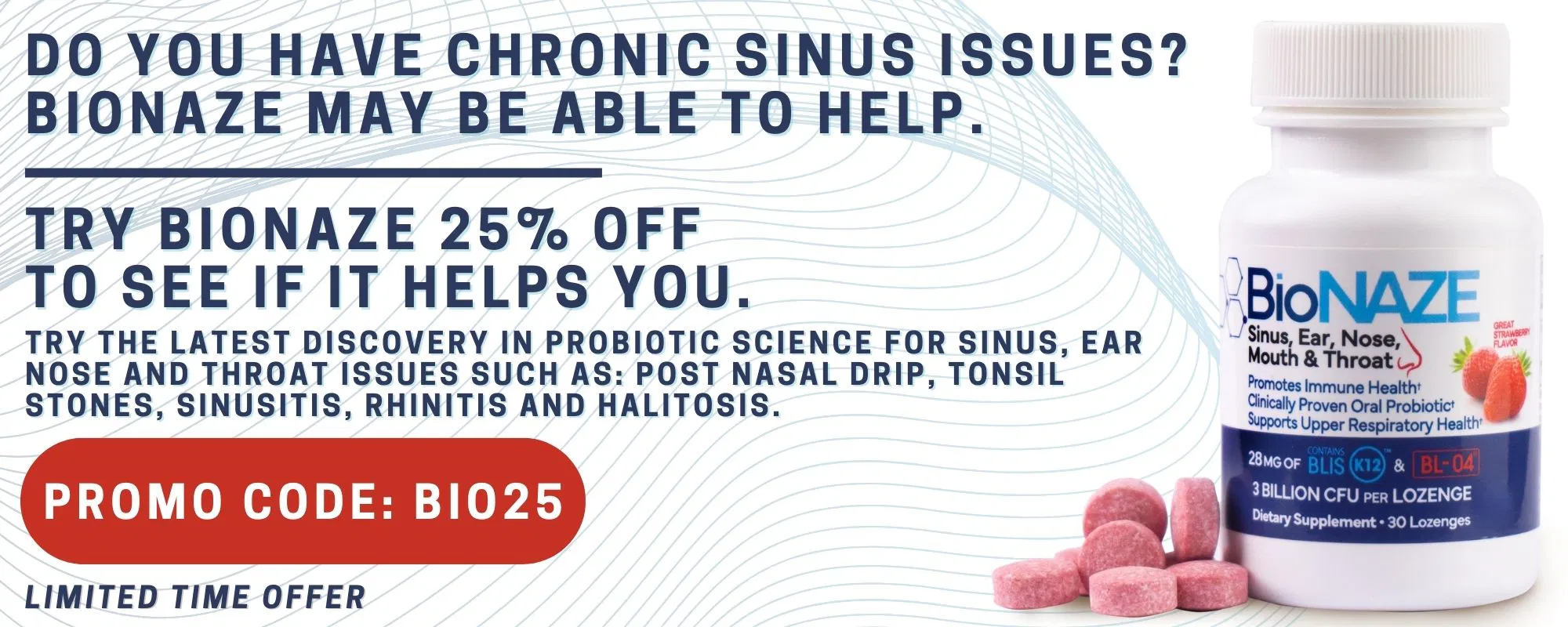
Get 25% Off Your First Order when you use BIO25 at checkout!

This Content Has Been Reviewed For Factual Accuracy
This content has undergone thorough fact-checking by our team of internal experts. Learn more about the meticulous editorial standard for our website here.
ADVERTISEMENT

About The Author
Hi, I’m Corinne Grace, a proud nursing graduate from Riverside College with a flair for writing. I specialize in health and wellness topics, using my educational background to weave informative and attention-grabbing articles that appeal to a wide variety of readers.