Gut Inflammation: Causes, Symptoms, And Natural Remedies
Published April 6, 2026
Tired of feeling tired? Persistent fatigue, bloating, and meal-time stress may point to one cause: gut inflammation. An irritated digestive tract lining can disrupt your body, affecting everything from immunity to energy. Everyday activities can become exhausting chores. If ignored, this may result in serious health issues.
In this article, we’ll first cover the causes and signs of gut inflammation. Then, we’ll explore natural strategies to restore your digestive health. You’ll also learn practical lifestyle and dietary changes to support a balanced microbiome.
What Is Gut Inflammation?
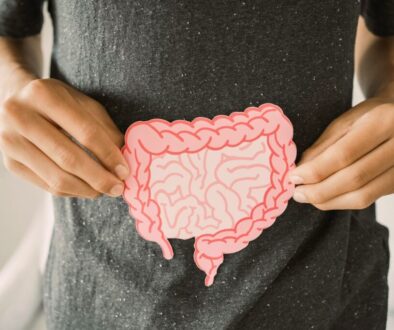
Gut inflammation arises when your stomach and intestines become irritated or swollen, disrupting digestion. It can cause discomfort, irregular bowel movements, and hinder food processing. A healthy gut lining serves as a barrier, letting nutrients pass while blocking harmful substances. If it fails, unwanted particles enter, triggering an immune response and more inflammation.
Acute Vs. Chronic Inflammation
Acute inflammation is a short-term response. It can be caused by infections or food poisoning. It usually resolves quickly. Chronic inflammation, however, persists over time. It can result in more serious digestive conditions if left unmanaged. This ongoing irritation is a hallmark of inflammatory bowel disease (IBD) and can lead to permanent damage if left untreated.
Common Causes Of Gut Inflammation
Poor Diet And Processed Foods
Processed foods, artificial colors, and preservatives can irritate your digestive tract. Excess sugar and refined carbs feed bad gut bacteria, triggering inflammation and disrupting balance.
Food Intolerances And Sensitivities
For some people, ingredients like lactose or gluten can trigger an immune response. This leads to ongoing discomfort within your stomach and intestines.
Chronic Stress
Your brain and gut are directly connected. Prolonged stress disrupts digestion and gut motility, triggering inflammatory pathways and irritating the digestive system.
Imbalance In Gut Microbiota (Dysbiosis)
Your gut houses trillions of microorganisms. When harmful bacteria outnumber beneficial ones, the gut environment becomes unstable. This imbalance damages the gut lining and contributes to ongoing inflammation.
Infections And Overgrowth
Viral, bacterial, and parasitic infections can inflame your gastrointestinal tract. Even a temporary stomach bug can leave the gut lining irritated. An overgrowth of yeast or harmful bacteria may also cause ongoing digestive upset and limit nutrient absorption.
Medications And Environmental Toxins
Frequent antibiotic use can disrupt beneficial gut bacteria. This weakens gut health over time. Environmental toxins and heavy alcohol use also aggravate your fragile digestive lining.

Signs And Symptoms Of An Inflamed Gut
Digestive Symptoms
Gut inflammation often appears as digestive issues. Common signs include:
- Bloating and gas
- Stomach cramps
- Diarrhea or constipation
Fatigue And Low Energy Levels
An inflamed gut struggles to absorb vitamins and minerals. The body also uses significant energy to fight chronic inflammation. This can bring about feelings of fatigue and exhaustion.
Skin Issues And Inflammation
Gut health strongly affects your skin. Acne, eczema, or rosacea may signal internal inflammation from the gut.
Food Cravings And Intolerances
Harmful gut bacteria thrive on sugar and unhealthy fats, driving cravings and increasing sensitivity to certain ingredients.
Brain Fog And Mood Changes
Gut irritation can lead to lower production of mood-regulating neurotransmitters like serotonin. This, combined with inflammation signals sent to the brain, can cause poor concentration, brain fog, anxiety, and mood swings.
How Gut Inflammation Affects Overall Health
- Connection to immune system function: Since much of your immune system resides in the gut, chronic inflammation can weaken your body’s ability to fight infections.
- Connection between gut and mental health: A disrupted gut microbiome can affect the production of mood-regulating chemicals. This can increase the risk of stress and anxiety.
- Impact on nutrient absorption: Inflamed intestinal walls struggle to absorb essential nutrients. Over time, this can lead to deficiencies.
- Long-term health risks of chronic inflammation: Persistent inflammation can be dangerous. It increases the risk of autoimmune disorders and IBD.
Natural Ways To Heal Gut Inflammation
Anti-Inflammatory Diet And Whole Foods
An anti-inflammatory diet can quickly relieve an irritated gut. Focus on whole foods, lean proteins, and healthy fats. The Mediterranean diet, packed with vegetables and legumes, reduces inflammation.
Probiotics And Gut Microbiome Support
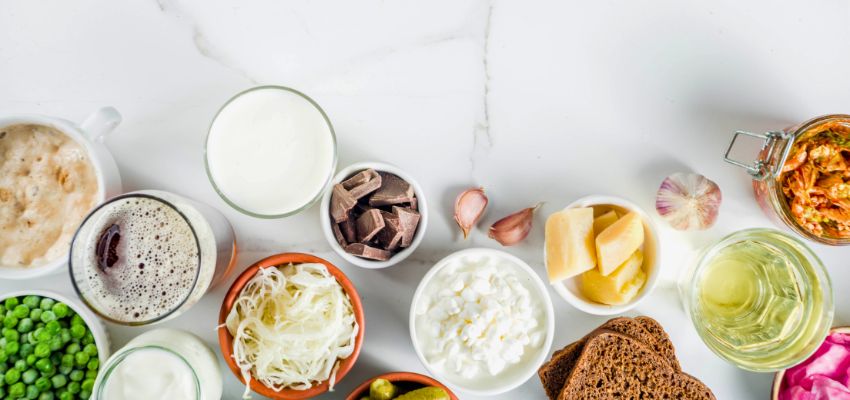
Probiotics add beneficial bacteria, restoring your microbiome and pushing out harmful ones. Fermented foods like yogurt, kefir, and sauerkraut supply these beneficial microbes.
Fiber And Prebiotics
Dietary fiber feeds good gut bacteria. As bacteria break down fiber, they produce compounds that repair the gut lining. Prebiotic-rich foods like garlic, onions, and bananas fuel these microbes.
Stress Management
Stress directly triggers gut inflammation, so managing it is crucial. Try mindfulness, deep breathing, or yoga to calm your nervous system and reduce inflammation.
Hydration And Lifestyle Habits
Stay hydrated for smooth digestion. Low-impact exercise improves gut motility and blood flow, while consistent sleep helps repair your gut.
When To Consider Supplements
Sometimes, diet alone cannot heal severe gut inflammation. In these cases, targeted supplements can help. Consult a professional to see if supplements such as quality probiotics or specific nutrient blends could speed recovery.
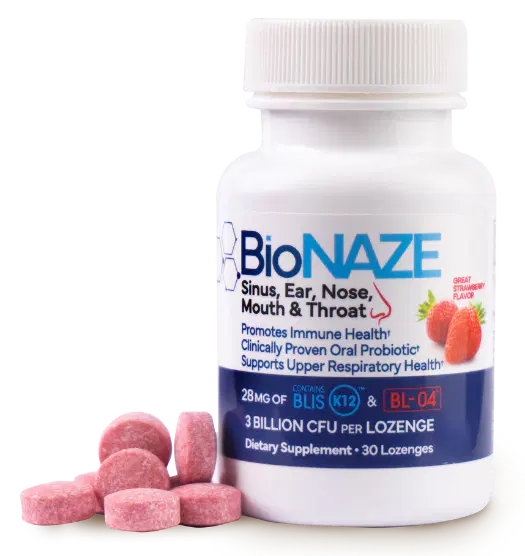
For more targeted support, consider a probiotic supplement like BioNaze. It contains two patented strains, BLIS K12™ (Streptococcus salivarius K12) and BL-04™ (Bifidobacterium Lactis BL-04). These strains support microbial balance and immune function. They work by promoting beneficial bacteria in the mouth and upper respiratory tract.
Foods To Eat And Avoid For An Inflamed Gut
Best Foods To Reduce Gut Inflammation
Prioritize nutrient-dense, easy-to-digest foods with strong anti-inflammatory properties.
- Berries
- Leafy greens
- Fatty fish like salmon
- Bone broth
- Fermented vegetables
Foods That Trigger Or Worsen Inflammation
Certain foods can make inflammation worse. Try to avoid or limit the following:
- Highly processed snacks
- Artificial sweeteners
- Refined sugars
- Spicy foods
- Alcohol
- Unhealthy trans fat
Sample Gut-Healing Meal Ideas
Start your day with a probiotic smoothie made from kefir, spinach, and blueberries. For lunch, try bone broth, baked salmon, and asparagus. For dinner, have chicken stew with root vegetables.
When To Seek Professional Help
Natural remedies can help, but should not replace medical advice, especially for serious conditions. Seek prompt care if you experience any of the following:
- Severe abdominal pain
- Unexplained weight loss
- Bleeding
- Symptoms lasting more than a few weeks
If gut issues persist, see a healthcare professional. They may run diagnostic tests to find the root cause. This might include blood work, stool analyses, or a colonoscopy. For more complex issues, a gastroenterologist can create a personalized treatment plan. This plan might combine dietary changes with medical intervention.
Frequently Asked Questions
What is the quickest way to reduce gut inflammation?
Cut processed foods and stay hydrated for quick relief.
How do you calm inflamed intestines naturally?
To calm inflamed intestines, eat anti-inflammatory foods like bone broth, ginger, and omega-3-rich fish. Reducing stress and getting enough sleep can also help reduce swelling.
What are the early signs of an inflamed gut?
Bloating, irregular bowels, fatigue, and skin issues are early signs.
Can gut inflammation heal on its own?
Acute inflammation may resolve naturally, but chronic issues require lifestyle changes.
How long does it take to repair gut inflammation?
Healing depends on damage severity. Minor irritation may improve in weeks with diet; chronic inflammation may take months of consistent habits to resolve.
Why Choose BioNaze
BioNaze offers probiotic support to balance your microbiome. This is key for managing gut inflammation and supporting immune function. Its clinically studied strains help maintain healthy bacteria levels. This reduces the microbial imbalances linked to inflammation.
Key probiotic strains in BioNaze:
- BLIS K12™ (Streptococcus salivarius K12): This supports microbial balance in the oral cavity. The oral cavity is part of the digestive system. It can influence overall gut health and immune responses.
- BL-04™ (Bifidobacterium lactis BL-04): This well-researched strain supports immune health. It helps maintain a balanced gut environment. This may reduce inflammation and support digestive comfort.
BioNaze supports your microbial balance and immune resilience. It complements a gut-healing approach. This helps you maintain a healthier digestive system and overall well-being.
Your Path To Healing Gut Inflammation Starts Here
Healing your gut is a long-term journey that requires a comprehensive approach. To heal your gut, you need to manage your diet, stress, and lifestyle by removing inflammatory triggers and nourishing your microbiome. Building sustainable habits is essential. This includes increasing your fiber intake and prioritizing sleep. These habits help create a resilient digestive system over time.
If you want to take your healing journey a step further, consider using targeted probiotics. Products like BioNaze can help maintain microbial balance and support overall immune resilience. Take control of your well-being and discover the benefits of BioNaze today.
Benefit From The Latest Advancements In Probiotic Science With Bionaze
Bionaze is a proprietary blend of probiotics proven to promote ear, nose, and throat health, improve digestion, and support your immune system. The active ingredients BLIS K12, and BL-04 are considered among the best probiotics according to science.
Get 25% Off Your First Order when you use BIO25 at checkout!

This Content Has Been Reviewed For Factual Accuracy
This content has undergone thorough fact-checking by our team of internal experts. Learn more about the meticulous editorial standard for our website here.
ADVERTISEMENT


About The Author
Hi, I’m Corinne Grace, a proud nursing graduate from Riverside College with a flair for writing. I specialize in health and wellness topics, using my educational background to weave informative and attention-grabbing articles that appeal to a wide variety of readers.