Can GERD Cause Back Pain? What You Need To Know
Published February 20, 2026
Does your back pain have an unexpected culprit? If you’ve ever felt a burning sensation in your chest that seems to extend into your upper back, you may be wondering: Can GERD cause back pain? Surprisingly, yes. Back pain is often blamed on muscle strain or poor posture, but digestive issues like GERD can also be responsible. Millions live with GERD, yet few realize the discomfort can extend beyond the chest and esophagus. Understanding this connection may be the key to lasting relief.
In this article, we’ll explore how GERD can trigger upper and middle back discomfort, how to distinguish it from muscular pain, and what you can do for both immediate and long-term relief.
What Is GERD?
Gastroesophageal reflux disease (GERD) is a long-term ailment affecting the digestive tract. It happens when stomach acid repeatedly flows into the esophagus. Occasional acid reflux is normal. However, GERD causes frequent episodes. This can lead to disruptions to daily life and complications.
How GERD Develops
GERD typically results from a problem with the lower esophageal sphincter (LES), the muscle that functions as a valve between the stomach and esophagus. Normally, the LES closes tightly after food passes into the stomach. But if it weakens or relaxes when it shouldn’t, stomach acid can flow back up and irritate the esophageal lining.
Common GERD Symptoms
The main symptom of GERD is heartburn, a burning sensation in the chest that often gets worse after eating or when lying down. Other common symptoms include:
- A sour, lingering taste in the mouth due to regurgitation
- Difficulty swallowing (dysphagia)
- A feeling of a lump in your throat
- A chronic cough or irritated throat
GERD Vs. Occasional Acid Reflux
Most people experience occasional acid reflux, especially after overeating or consuming spicy foods. However, GERD is diagnosed when reflux occurs at least twice a week or begins to significantly impact your quality of life.
Can GERD Cause Back Pain?
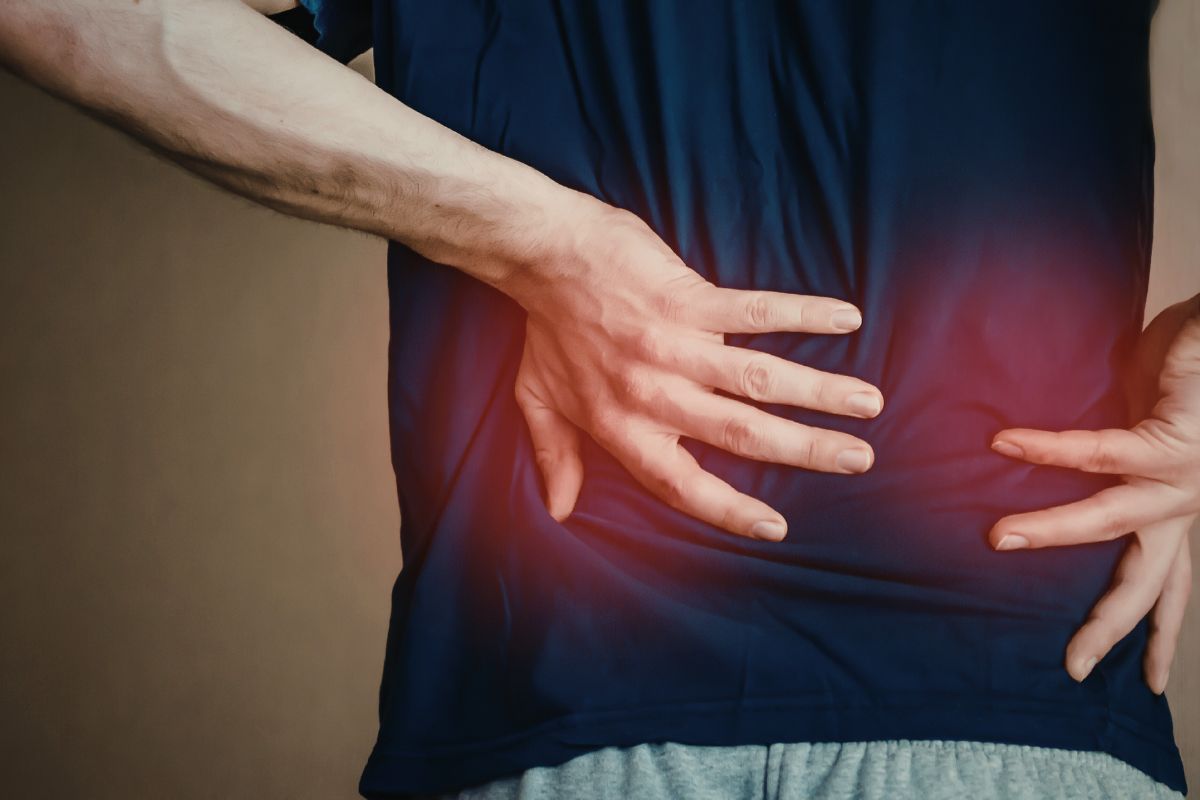
While reflux is often associated with chest discomfort, the discomfort can also radiate to the upper or middle back, especially between the shoulder blades.
Can Acid Reflux Cause Back Pain In The Upper Or Middle Back?
Acid reflux can cause discomfort in the upper or middle back, particularly between the shoulder blades. This occurs because the area shares nerve pathways with the esophagus and stomach, allowing pain signals to travel between them.
Why GERD Pain Can Feel Like Back Pain
This occurs due to a phenomenon called referred pain. The esophagus and upper back share nerve pathways that connect to the spinal cord at similar points. When acid irritates the esophagus, the brain may mistake these signals as coming from the back.
This can cause a burning or aching sensation between the shoulder blades, even though the actual issue is digestive.
GERD-Related Back Pain Vs. Muscular Back Pain
Muscular back pain is typically caused by movement, such as twisting, lifting, or bending. In contrast, GERD-related back pain is often linked to:
- Eating large meals
- Lying down after eating
- Heartburn episodes
If your back pain occurs alongside digestive symptoms, GERD could be a contributing factor.

How GERD Causes Chronic Pain
When acid reflux becomes chronic, it can cause more than just temporary irritation.
- Esophageal inflammation and nerve irritation. Frequent acid exposure can cause esophagitis, or inflammation of the esophagus. Over time, this irritation may heighten nerve sensitivity, intensifying pain signals and making discomfort more persistent.
- Esophageal spasms. Acid irritation can sometimes cause the muscles in the esophagus to spasm. These spasms can create an intense squeezing pain that radiates to the back, sometimes mimicking the symptoms of a heart attack.
- Hiatal hernia and referred pain. Many people with GERD also have a hiatal hernia, a condition where a section of the stomach pushes up through the diaphragm. This can worsen reflux and contribute to referred pain in the back.
- Posture and abdominal pressure. Slouching increases pressure on the stomach, which can push acid upward. This poor posture can worsen both reflux and back discomfort.
Managing GERD-Related Back Pain
Effective treatment for GERD-related back pain focuses on both relieving symptoms and addressing the underlying reflux.
How To Treat Acid Reflux Back Pain Immediately
For quick relief:
- Sit upright to let gravity help reduce acid reflux.
- Take over-the-counter antacids
- Avoid trigger foods like spicy dishes, citrus, chocolate, caffeine, fatty or fried foods, onions, and garlic.
These steps can help minimize acid exposure and ease discomfort.
Lifestyle Changes
- Eat small meals frequently: Large meals can put pressure on the lower esophageal sphincter (LES), worsening reflux.
- Do not lie down after meals: Wait at least three hours before reclining or going to bed.
- Elevate the level of your head while sleeping: Use a wedge pillow to keep your upper body raised, which helps prevent stomach acid from moving up your esophagus.
Dietary Changes
Focus on eating lean proteins, non-acidic vegetables, and whole grains. You can reduce flare-ups by limiting caffeine, chocolate, citrus, and fatty or spicy foods.
Stress Management
Stress can increase symptom sensitivity and aggravate reflux. Practices like deep breathing, meditation, and yoga may help calm the nervous system.
Regular Exercise
Moderate activities like walking or yoga can aid digestion and maintain a healthy weight. However, you should avoid high-impact exercises or movements that involve bending over right after eating, as they can worsen symptoms.
Medications
If lifestyle changes aren’t enough, a doctor might recommend:
- H2 blockers to reduce acid production.
- Proton pump inhibitors (PPIs) to block acid and allow the esophagus to heal.
- Prokinetic agents to speed up stomach emptying and reduce the chance of reflux.
Surgery
If medications don’t provide relief for severe GERD, a doctor may suggest surgery. Procedures like fundoplication, which involves wrapping the top of the stomach around the lower esophagus, can help strengthen the valve and prevent reflux.
Can Probiotics Help GERD-Related Back Pain?
Emerging research suggests that gut health plays an important role in overall digestive function. A balanced gut microbiome helps support efficient digestion, while imbalances may contribute to bloating and occasional discomfort.
Although probiotics are not a treatment for acid reflux, they may help support digestive balance and reduce bloating, which can influence overall digestive comfort. It’s also important to note that probiotic strains differ in function. Some strains are studied for their role in supporting the oral and upper airway microbiome, areas that can be exposed to stomach contents during reflux episodes.
Because research in this area is still evolving, probiotics should be considered part of a broader wellness approach rather than a standalone solution.
Potential Complications Of Untreated GERD
If left untreated, a chronic case of acid reflux can potentially lead to more serious health issues, including:
- Esophagitis: Inflammation and ulcers in the esophagus.
- Barrett’s esophagus: Esophageal lining changes can increase the risk of cancer
- Esophageal strictures: Narrowing or constriction of the esophagus caused by scar tissue
- Chronic sleep disruption and persistent discomfort
Addressing GERD early is the best way to reduce the risk of these complications.
Preventing A Recurrence Of GERD-Related Back Pain
To keep GERD-related back pain from returning, it’s important to be consistent with the following preventive measures:
- Follow a GERD-friendly diet.
- Maintain a healthy weight to minimize abdominal pressure.
- Practice good posture.
- Avoid eating late at night.
- Support your digestive health, possibly with targeted probiotics.
- Monitor your symptoms and adjust your habits as needed.
When To Seek Medical Attention
Seek immediate medical care if you experience:
- Severe chest or back pain
- Pain with shortness of breath or arm discomfort
- Difficulty swallowing
- Symptoms resembling a heart attack
- Persistent back pain despite GERD treatment
Always rule out cardiac issues before assuming severe chest or back pain is caused by reflux.
Why Choose BioNaze
The mouth and upper respiratory tract are home to a complex and dynamic microbiome. Maintaining balance in these areas plays an important role in overall wellness.
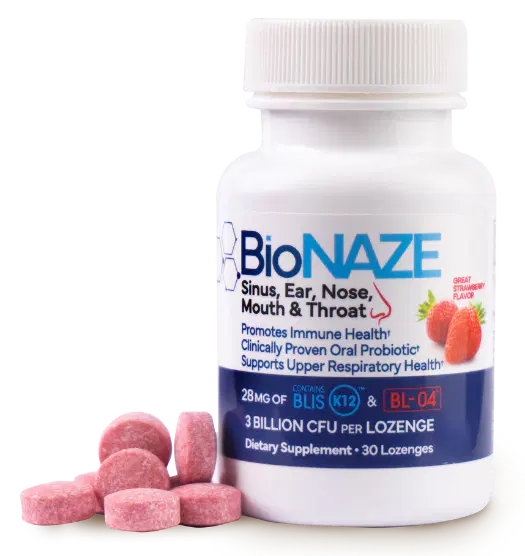
BioNaze contains two patented probiotic strains: BLIS K12™ (Streptococcus salivarius K12) and BL-04™ (Bifidobacterium Lactis BL-04). Unlike traditional probiotics that primarily focus on the lower digestive tract, these strains are studied for their presence in the oral cavity and upper respiratory system.
By helping to support microbial balance in the mouth, throat, and nasal passages, BioNaze provides targeted upper airway probiotic support as part of a broader wellness routine.

Taking Control Of GERD-Related Back Pain: From Awareness To Action
The connection between your digestive health and back pain is real and treatable. So, can GERD cause back pain? Yes, the burning sensation in your back may be referred pain from GERD. Understanding this helps you address the cause, not just the symptom. With lifestyle adjustments, dietary changes, stress management, and proper medical care, you can reduce inflammation and take control of your pain.
Healing is a holistic journey, and supporting your gut health can be an important part of overall wellness. To promote oral and upper respiratory balance, consider BioNaze. Its unique formula with patented strains is developed to support a healthy microbiome in the mouth and upper airway.

This Content Has Been Reviewed For Factual Accuracy
This content has undergone thorough fact-checking by our team of internal experts. Learn more about the meticulous editorial standard for our website here.
Benefit From The Latest Advancements In Probiotic Science With Bionaze
Bionaze is a proprietary blend of probiotics proven to promote ear, nose, and throat health, improve digestion, and support your immune system. The active ingredients BLIS K12, and BL-04 are considered among the best probiotics according to science.
Get 25% Off Your First Order when you use BIO25 at checkout!
ADVERTISEMENT


About The Author
Hi, I’m Corinne Grace, a proud nursing graduate from Riverside College with a flair for writing. I specialize in health and wellness topics, using my educational background to weave informative and attention-grabbing articles that appeal to a wide variety of readers.